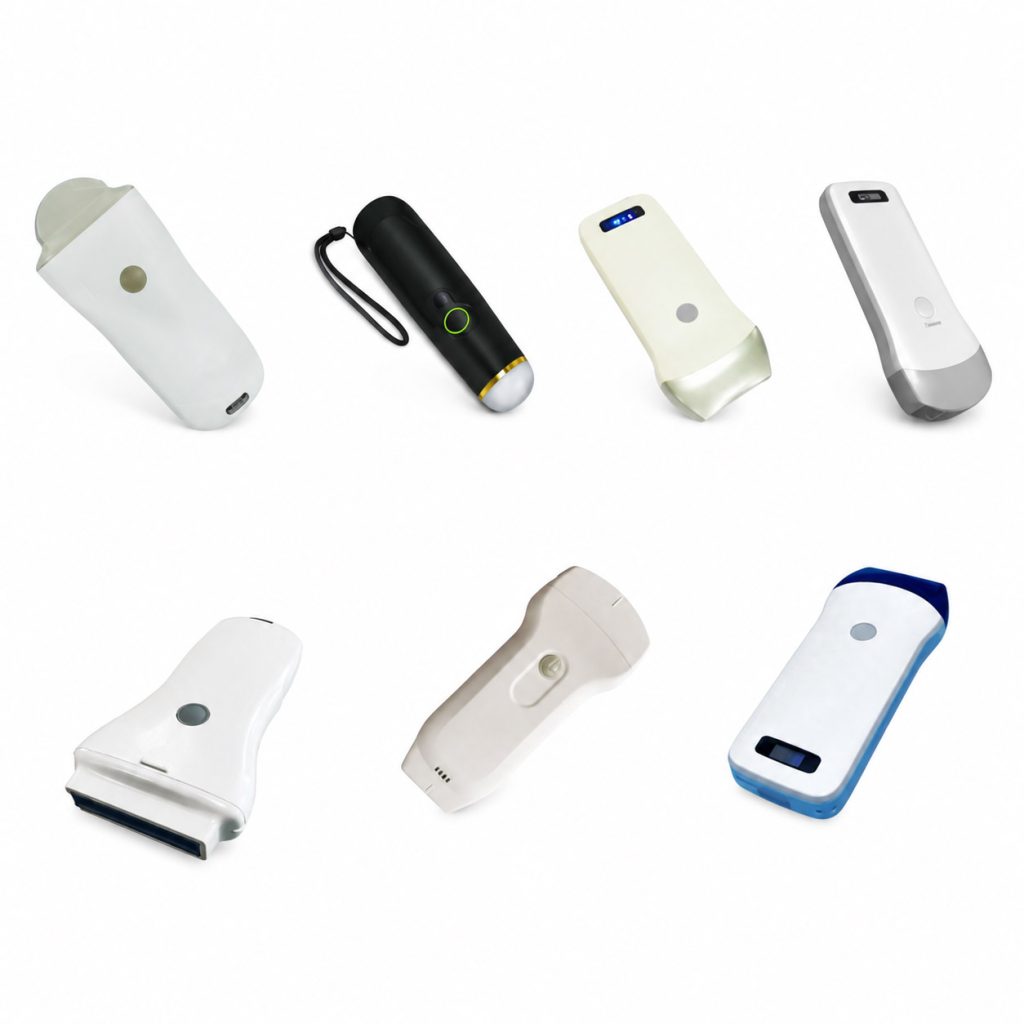
Wireless Ultrasound
Wireless Ultrasound Probes for Point-of-Care Imaging
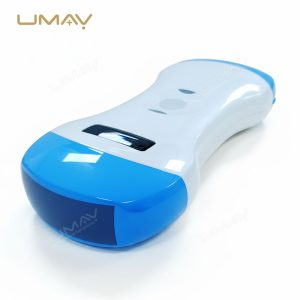
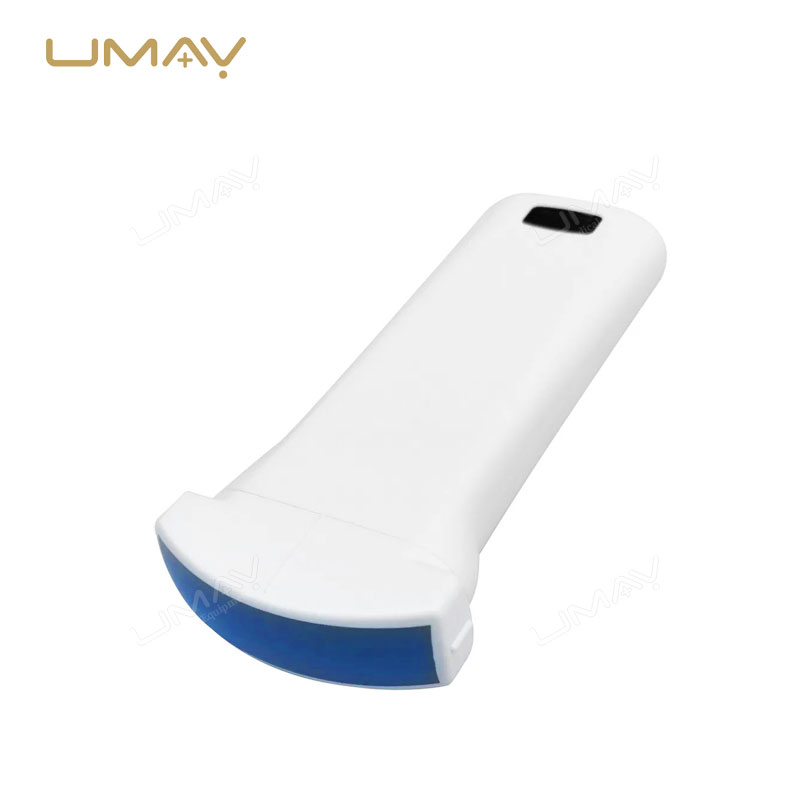
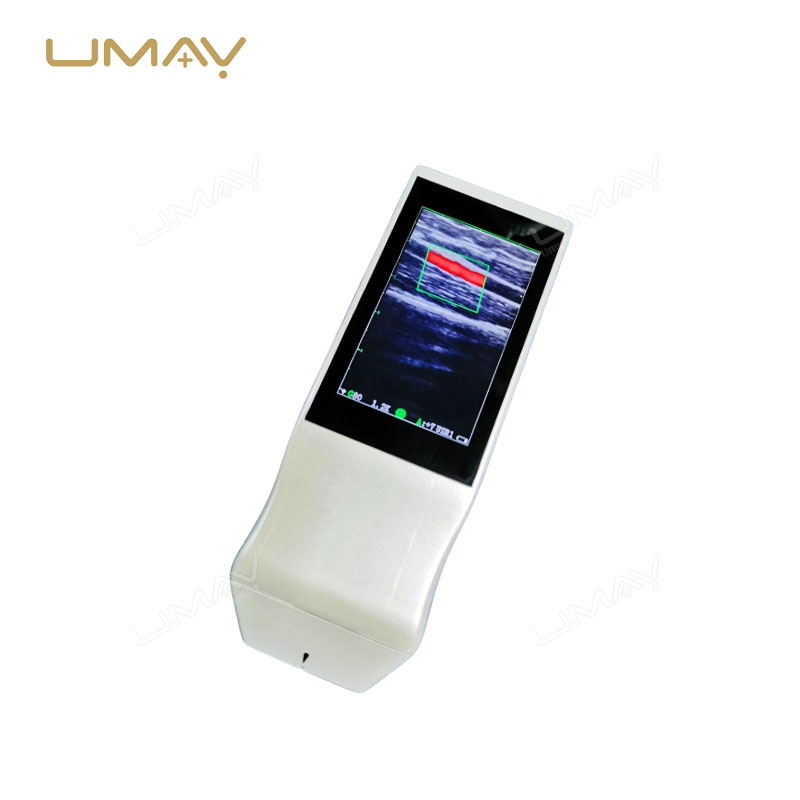
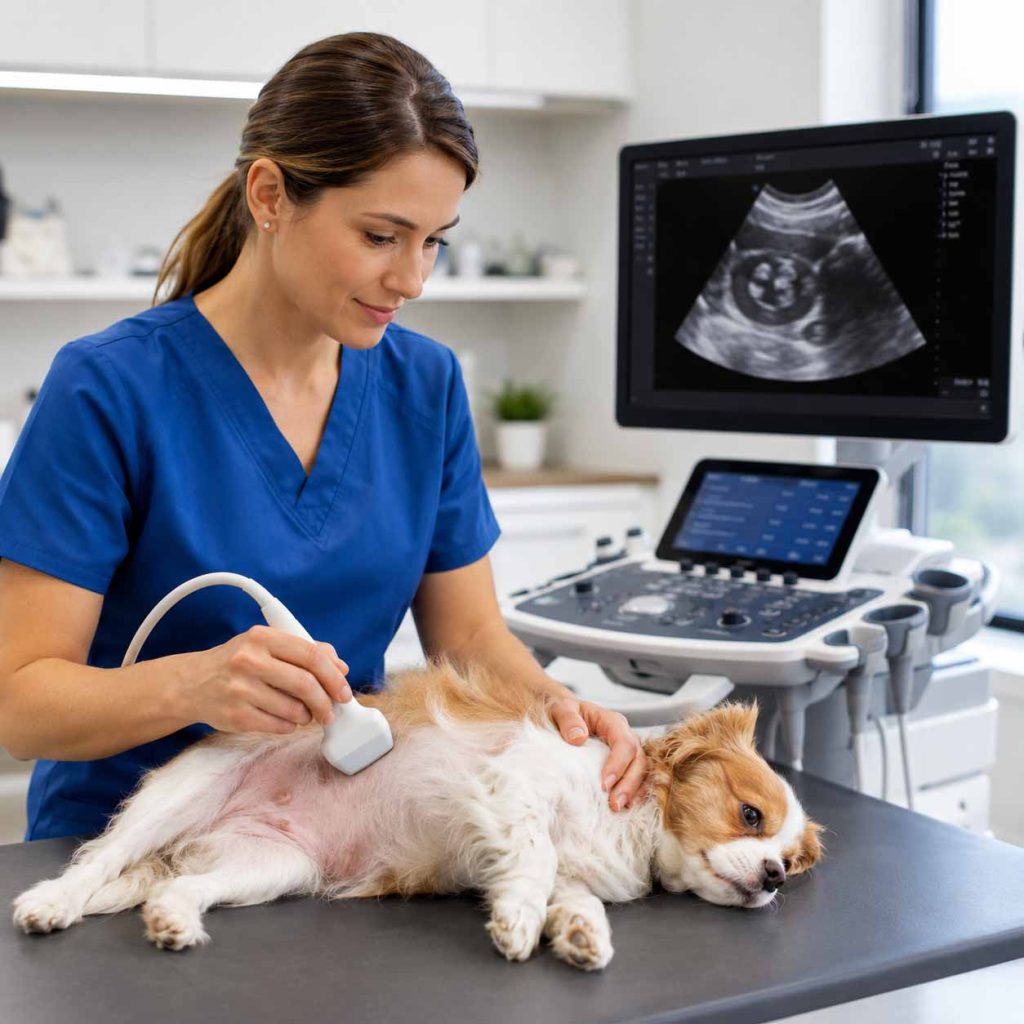
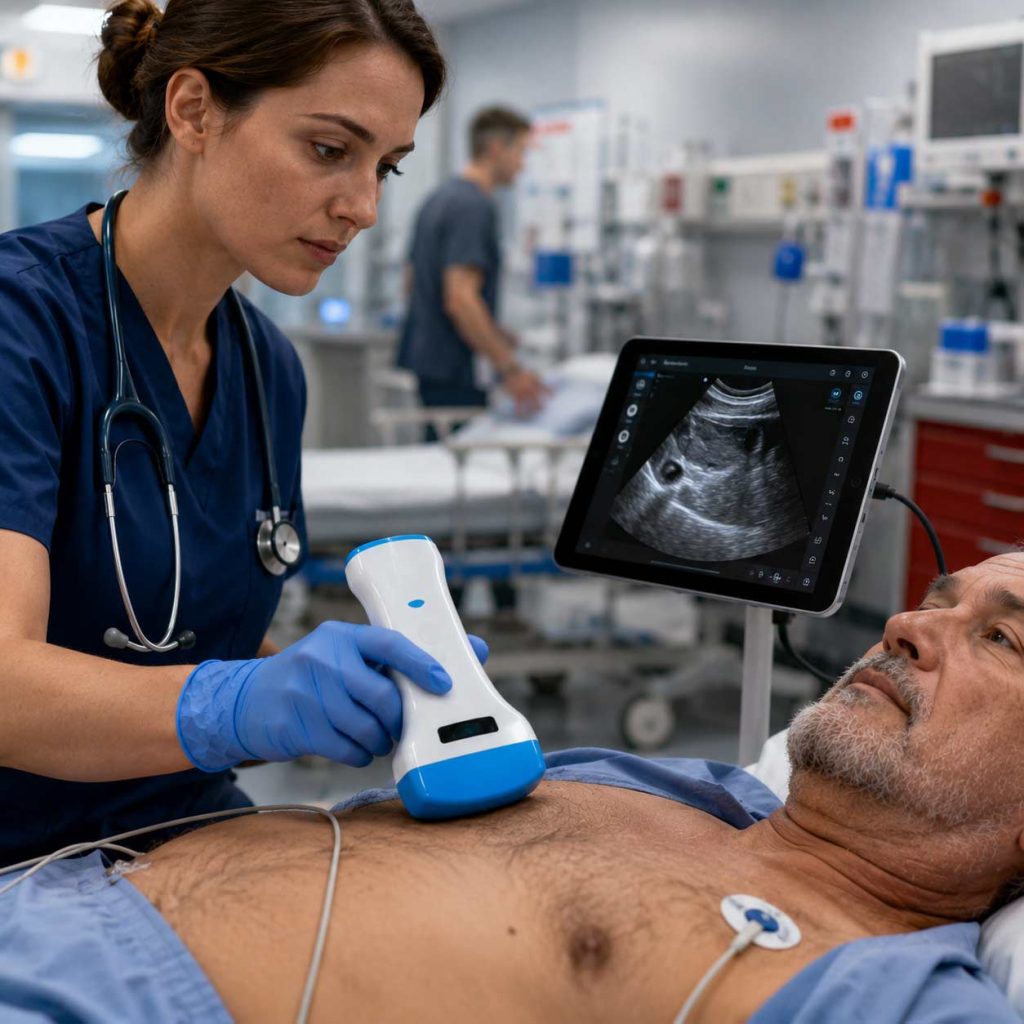
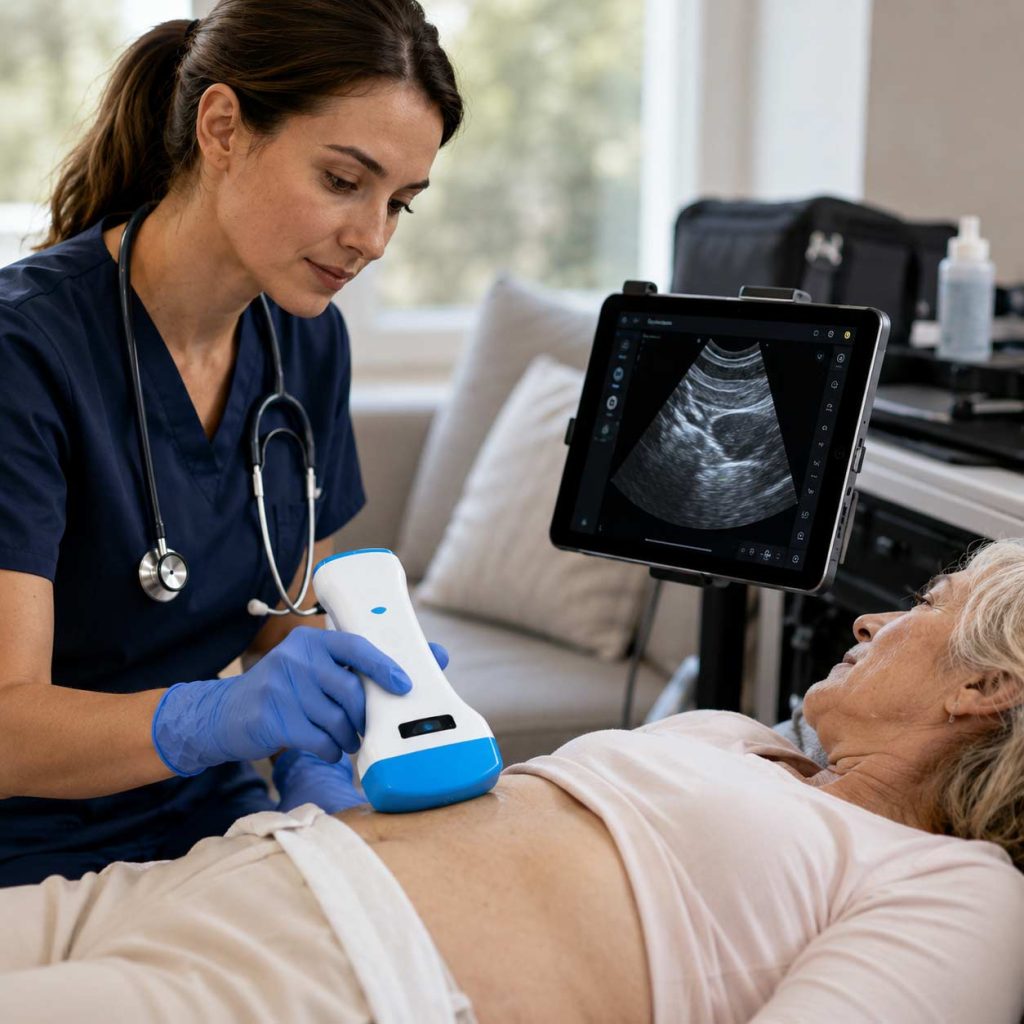
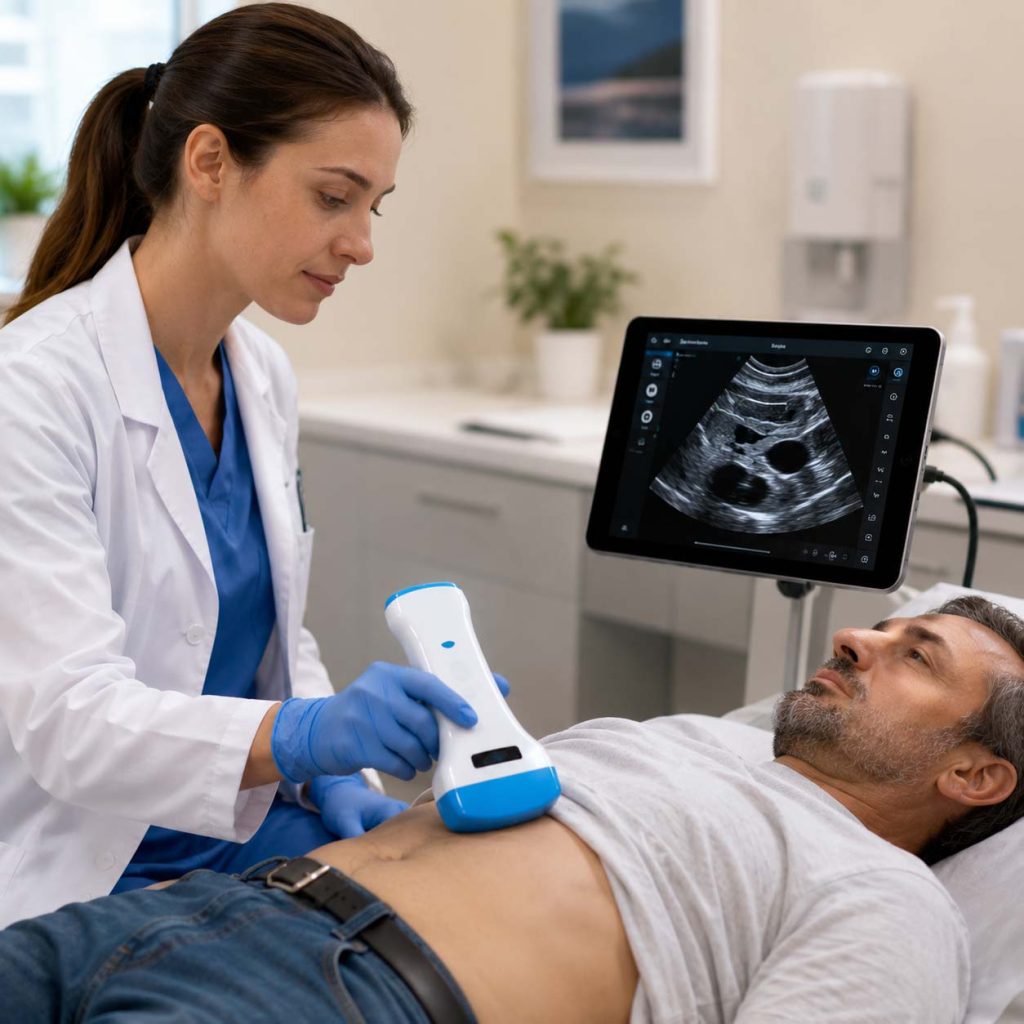
UMY Medical supplies wireless ultrasound probes for bedside assessment, emergency care, outpatient examination, primary care, mobile healthcare, and selected veterinary applications. Images are displayed through a compatible tablet or mobile device, allowing examinations to be performed without a conventional ultrasound console.
Wireless Ultrasound Solutions for Mobile and Point-of-Care Examination
Wireless ultrasound systems combine a handheld probe, wireless image transmission, and compatible viewing software for examinations in wards, emergency departments, clinics, ambulances, community healthcare facilities, and field-based environments. Different probe configurations can support abdominal, vascular, musculoskeletal, cardiac, obstetric, urological, and veterinary applications.
Equipment selection should consider the intended examinations, required probe type, supported imaging modes, compatible operating system, wireless connection method, battery runtime, image storage, data export, cleaning requirements, and daily workload.
Wireless Ultrasound Product Range
The range includes wireless convex, linear, phased-array, endocavitary, and dual-head ultrasound probes for different point-of-care applications. Available configurations may support B-mode, M-mode, color Doppler, power Doppler, and spectral Doppler functions depending on the selected model.
Selecting a Wireless Ultrasound Probe
Confirm the intended examinations and required probe type before selecting a system. Convex probes are commonly considered for abdominal and obstetric examinations, linear probes for vascular and superficial structures, and phased-array probes for cardiac and selected emergency applications.
Showing 13–24 of 28 results
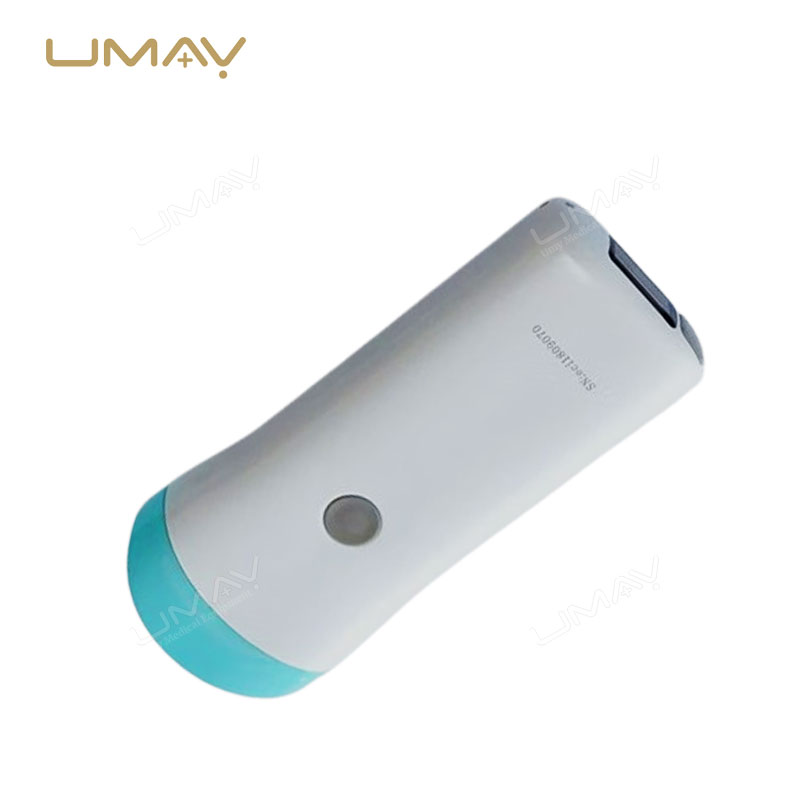
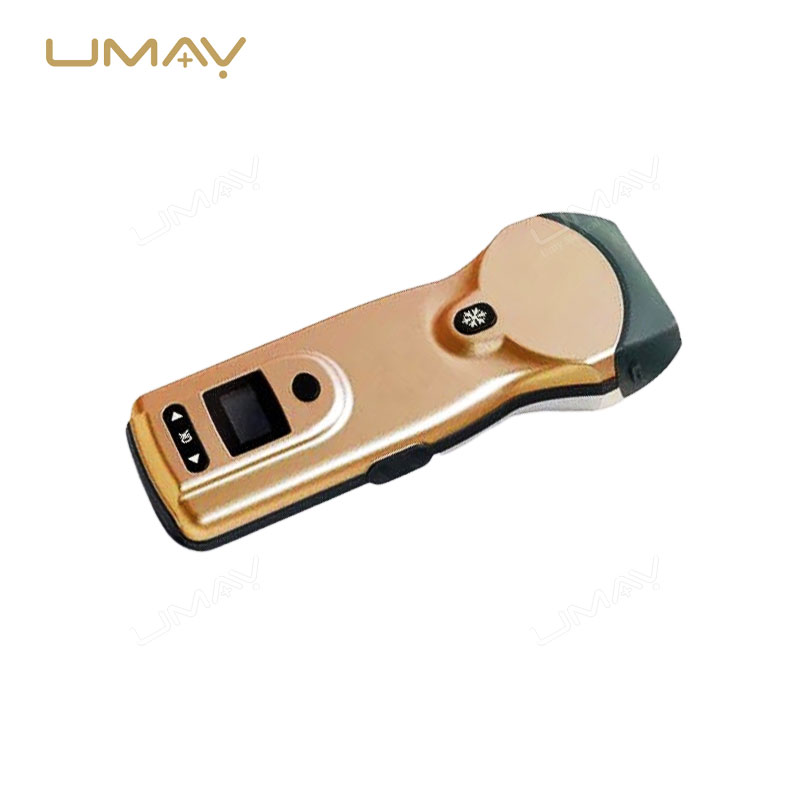
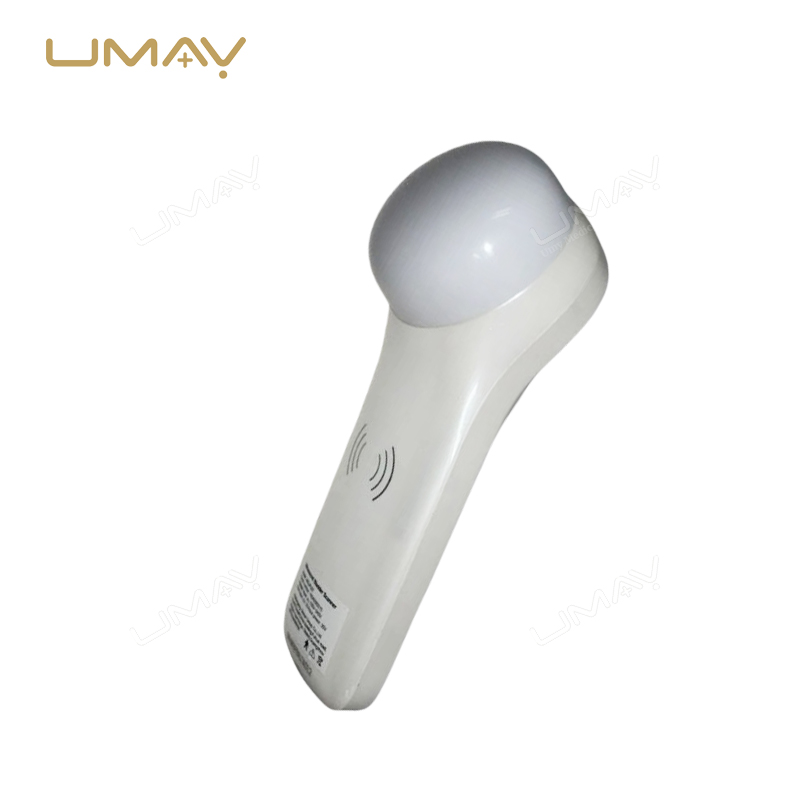

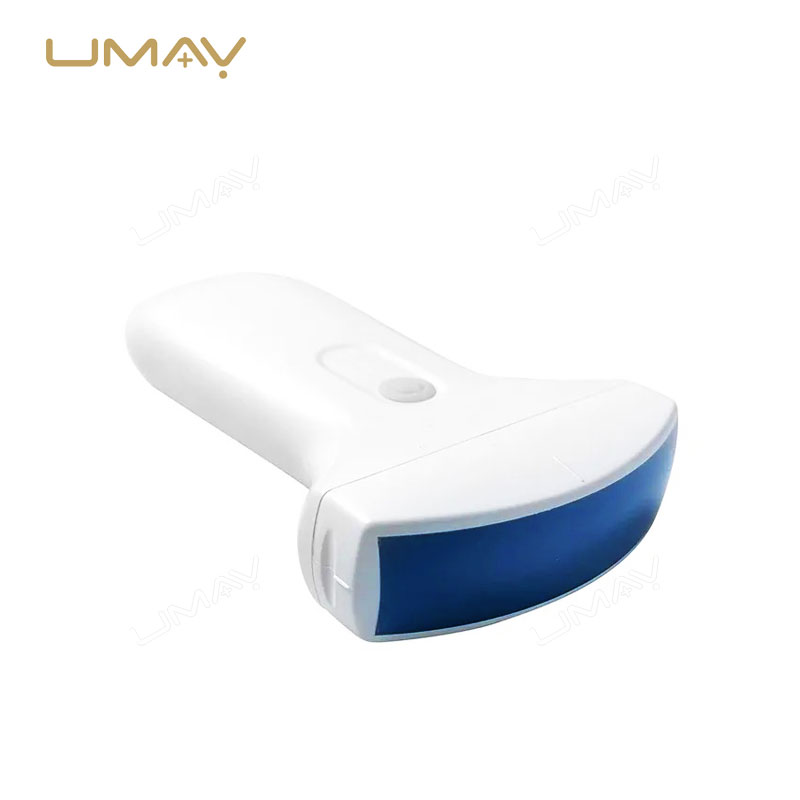
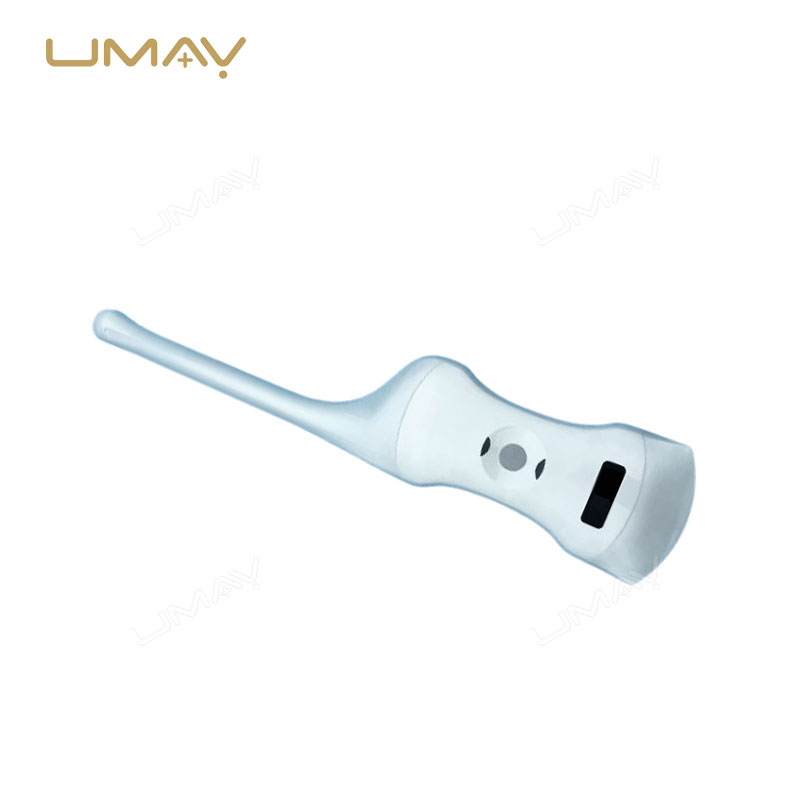
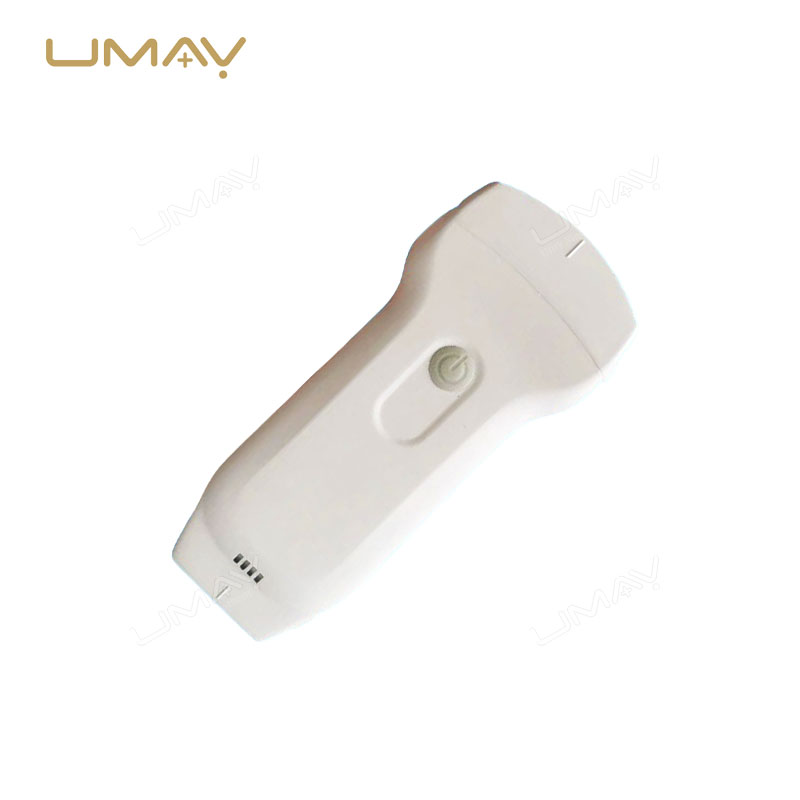
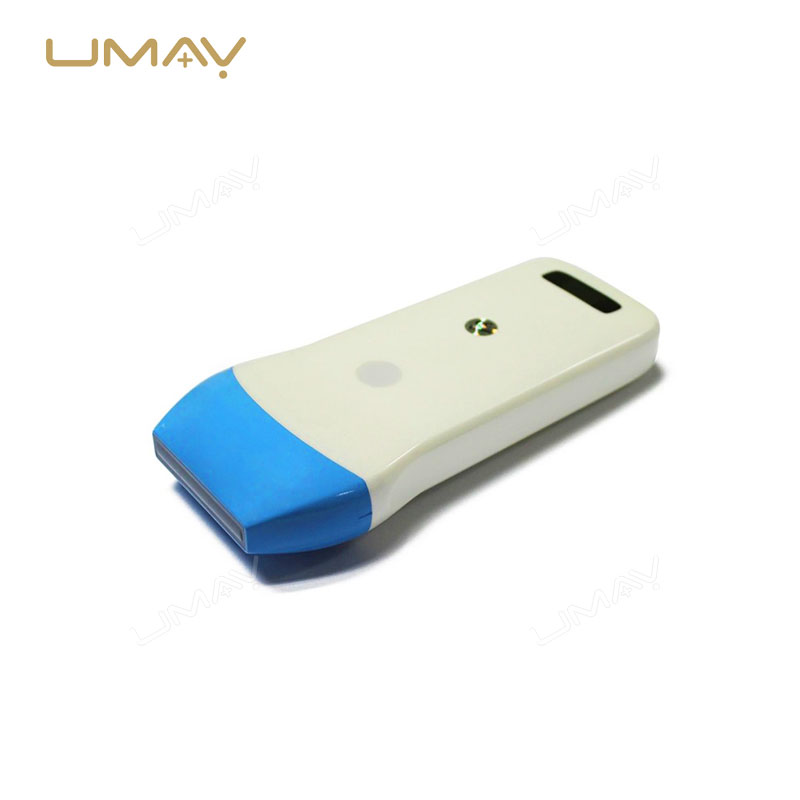
Wireless Ultrasound Applications Across Point-of-Care Workflows
Wireless ultrasound probes support bedside assessment, emergency examination, outpatient diagnosis, vascular access, musculoskeletal evaluation, mobile healthcare, and selected veterinary applications. The required configuration depends on the anatomy examined, probe type, imaging modes, patient group, and operating environment.
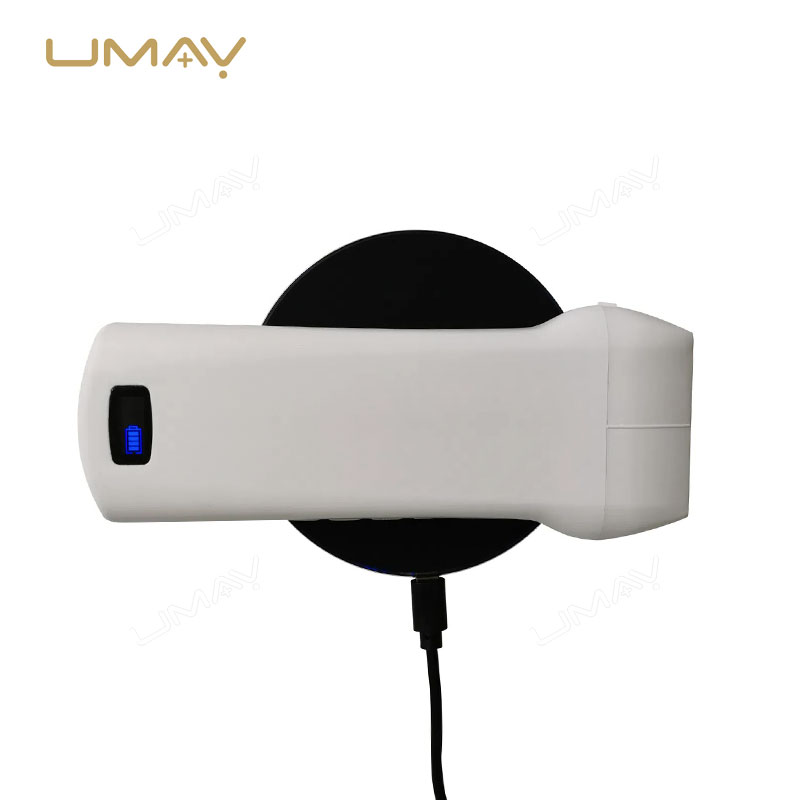
Workflow planning should consider mobile-device compatibility, wireless connection, probe handling, battery operation, display visibility, image storage, data transfer, cleaning and disinfection, charging access, and protection during transport.
Wireless Ultrasound FAQ