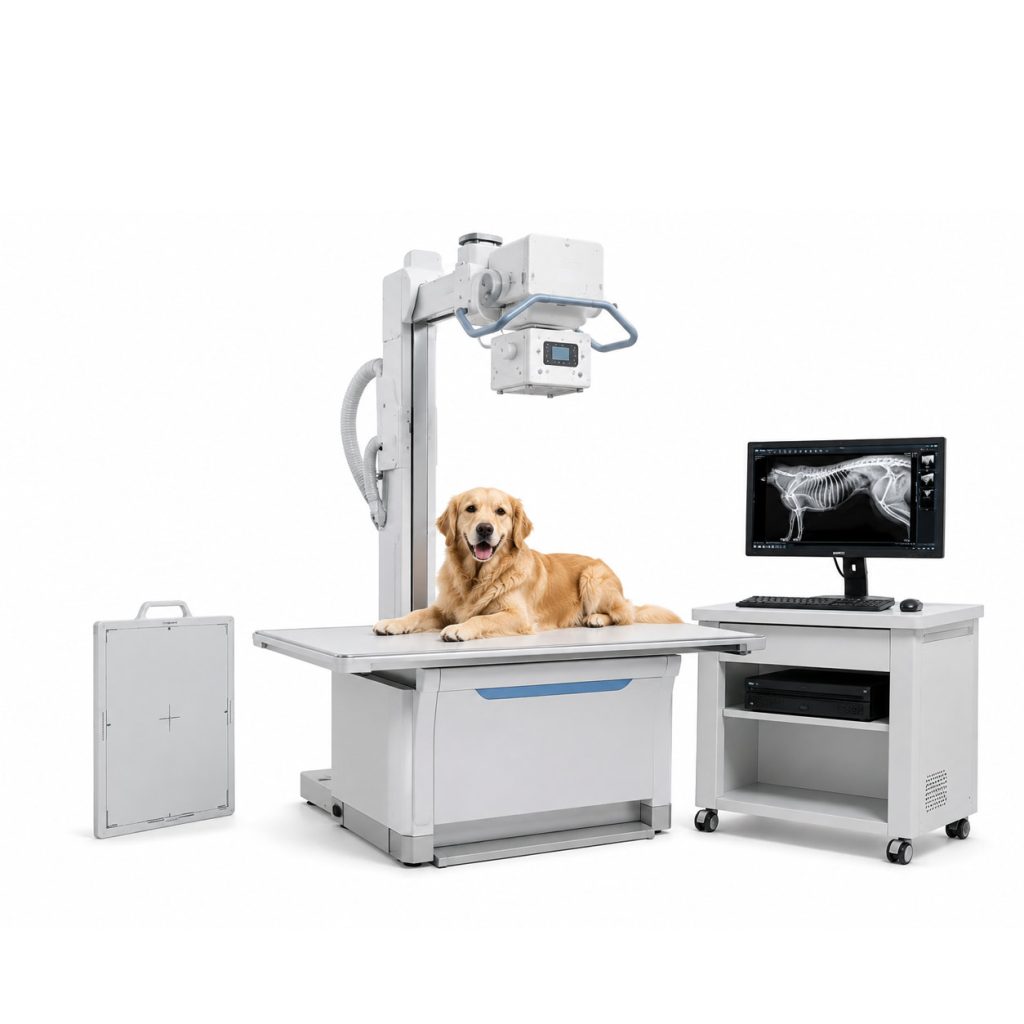
Veterinary Radiology
Veterinary Radiology Equipment for Animal Diagnostic Imaging
UMY Medical supplies veterinary radiology equipment for animal hospitals, veterinary clinics, diagnostic centers, and research institutions. Available configurations support routine examinations, trauma assessment, orthopedic imaging, preoperative evaluation, and follow-up diagnosis for different animal sizes and clinical environments.
Veterinary Radiology Solutions for Animal Hospitals and Clinics
Veterinary radiology equipment supports diagnostic imaging for companion animals, larger animals, emergency cases, orthopedic assessment, and routine clinical examinations. Systems can be selected according to animal size, examination type, daily workload, available room space, positioning requirements, and image-management workflow.
Veterinary Radiology Equipment Product Range
The range may include fixed and mobile veterinary X-ray systems, digital flat panel detectors, examination tables, image-acquisition workstations, positioning accessories, and related radiography equipment. Configurations vary by generator output, detector size, table design, mobility, image storage, connectivity, and intended veterinary application
Selecting Veterinary Radiology Equipment
Confirm the animal types treated, intended examinations, expected daily workload, required generator output, detector configuration, and available imaging-room space. Buyers should also review animal positioning, table load capacity, equipment mobility, image storage, DICOM or PACS connectivity, cleaning access, radiation-protection requirements, power supply, and included accessories.
Showing 1–12 of 30 results
- View Details
- View Details
-
View DetailsPortable X-ray Machine
Compact Digital X-ray Machine 90kV with Versatile Imaging for Medical and Vet Use
Read more - View Details
- View Details
- View Details
-
View DetailsVeterinary Radiology
1717 Wired Flat Panel Detector for Human and Veterinary DR Imaging Systems
Read more -
View DetailsPortable X-ray Machine
Portable and Compact X-Ray Imaging System for Veterinary Applications
Read more -
View DetailsMammography Systems
Radiation Protection Suit with Lead Collar & Lead Apron for X-ray Safety
Read more -
View DetailsRadiological equipment
Digital Veterinary Radiography System True-To-Detail Quality with 4-Way Floating Table
Read more - View Details
- View Details
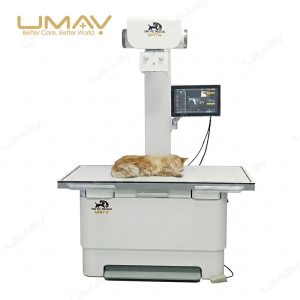



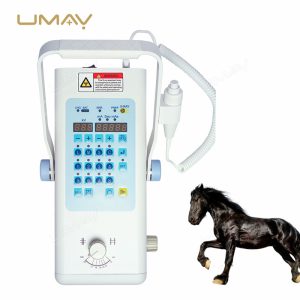
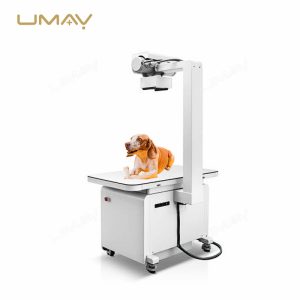



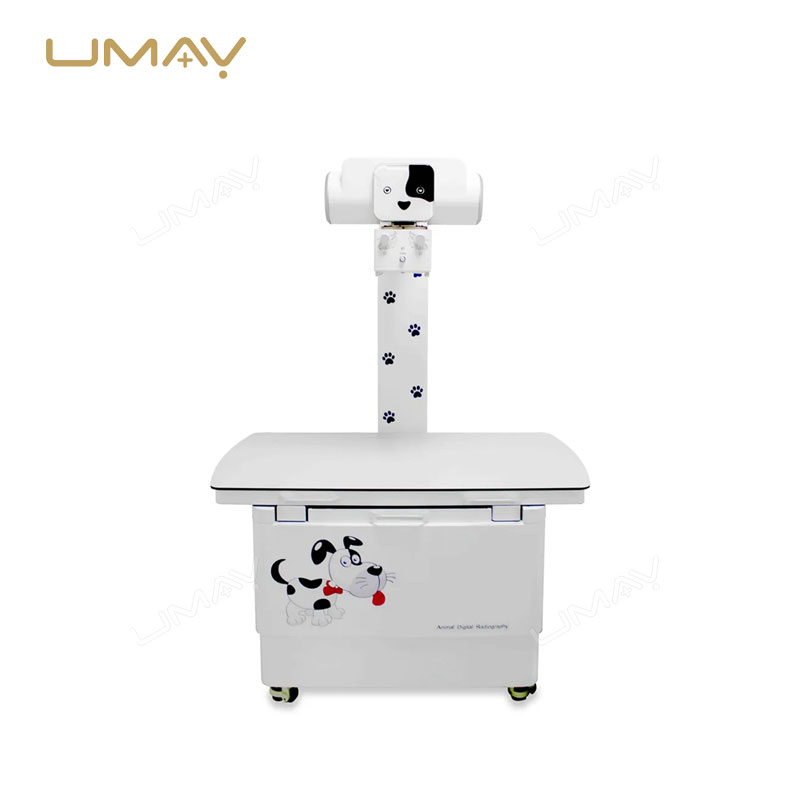
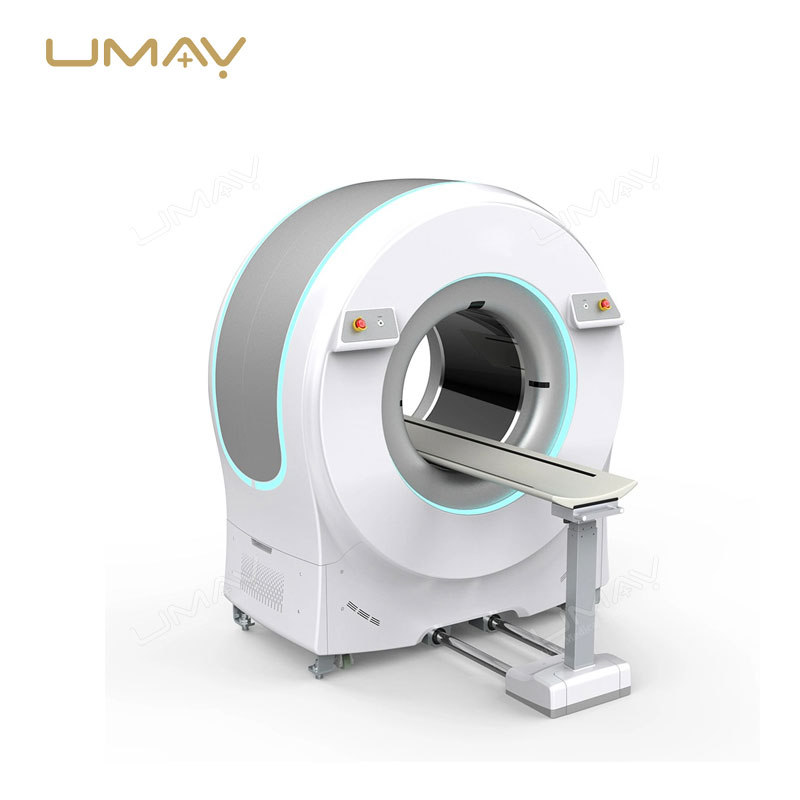

Veterinary Radiology Applications Across Animal Care Workflows
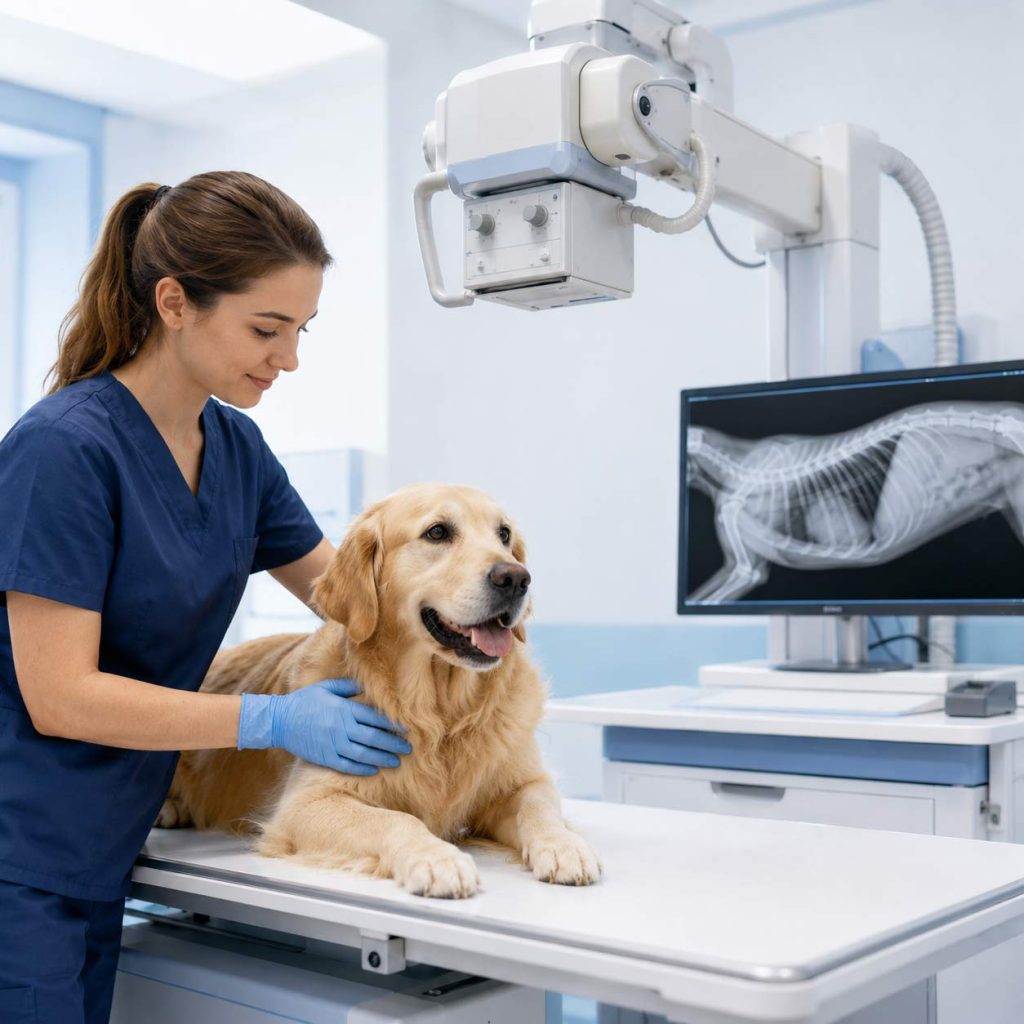
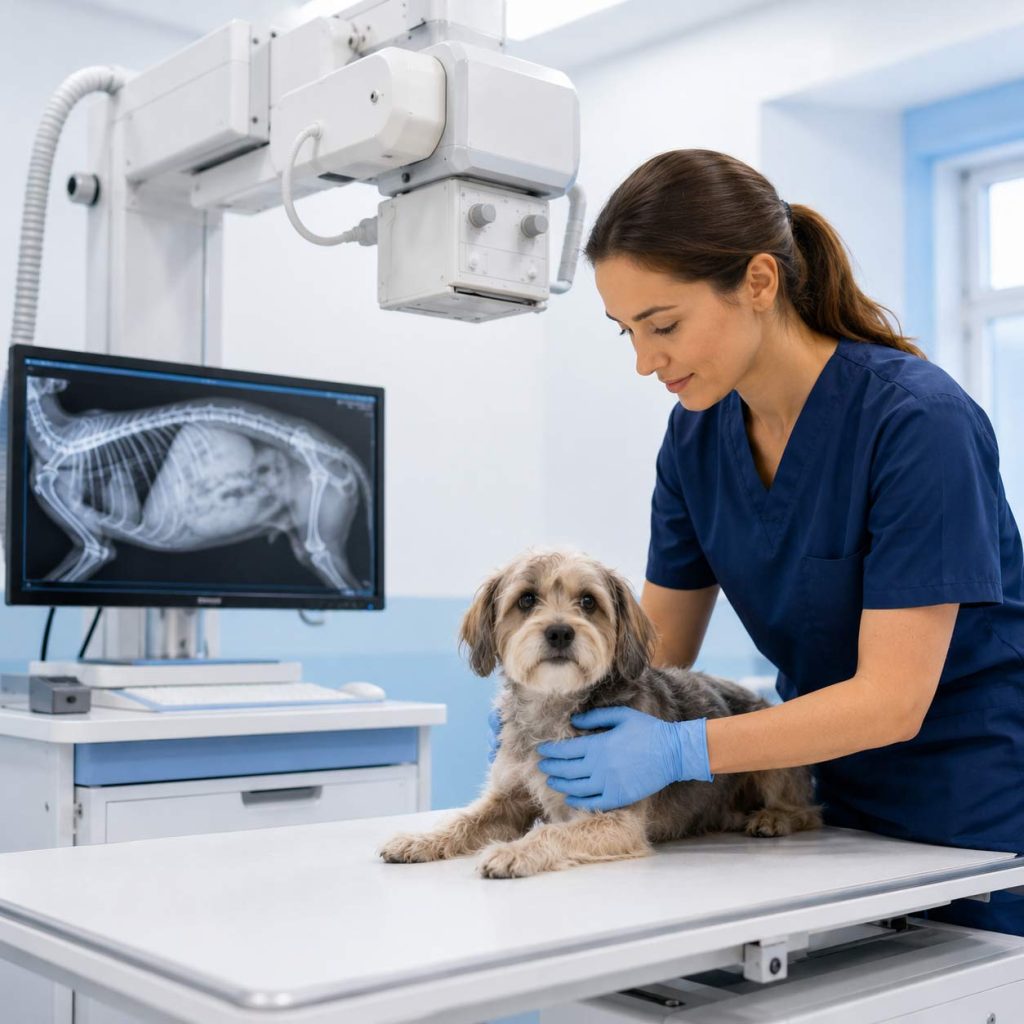
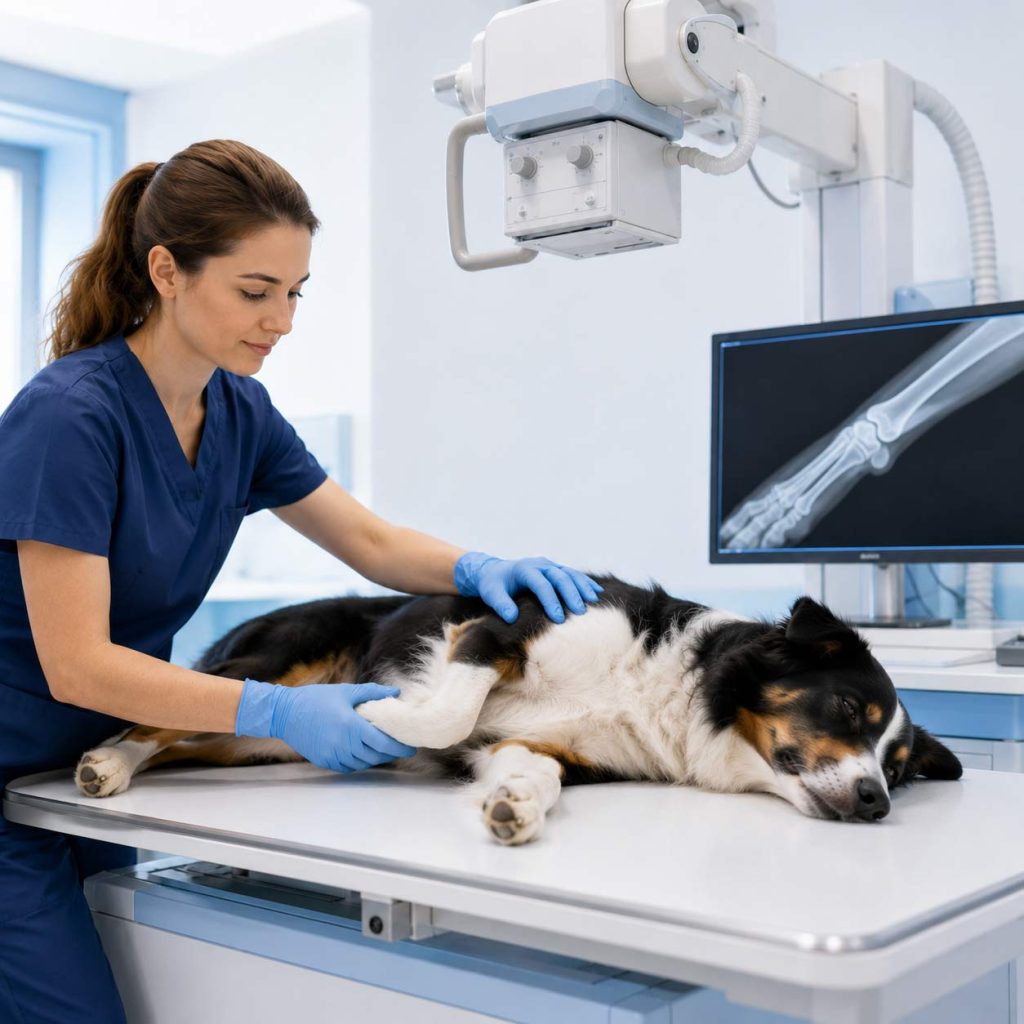
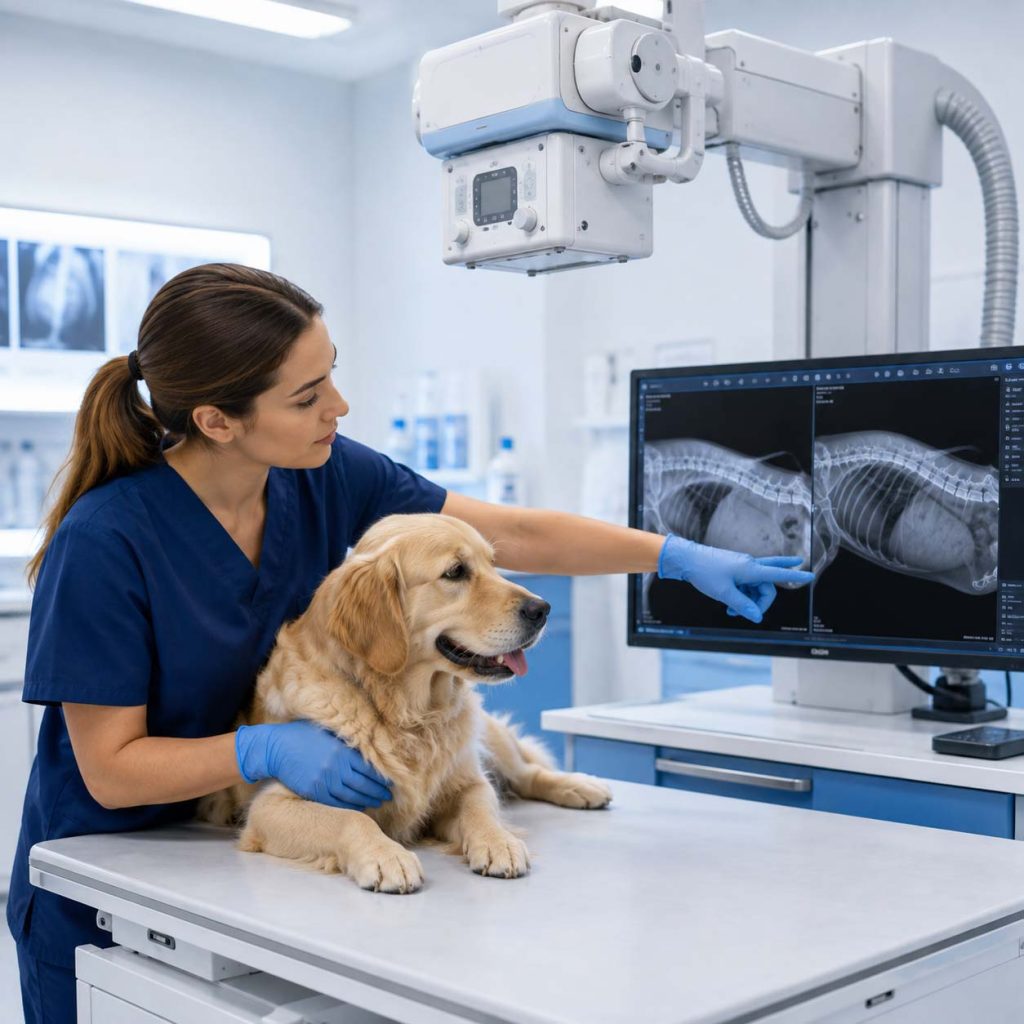
Veterinary radiology systems support routine health examinations, trauma assessment, orthopedic diagnosis, preoperative planning, and treatment follow-up in animal hospitals and veterinary clinics. The required configuration depends on animal size, clinical condition, examination area, positioning method, and daily case volume.
Workflow planning should consider safe animal restraint, examination-table access, detector placement, image acquisition, staff movement, cleaning and disinfection, data storage, radiation protection, and compatibility with the clinic’s existing diagnostic systems.
Veterinary Radiology FAQ