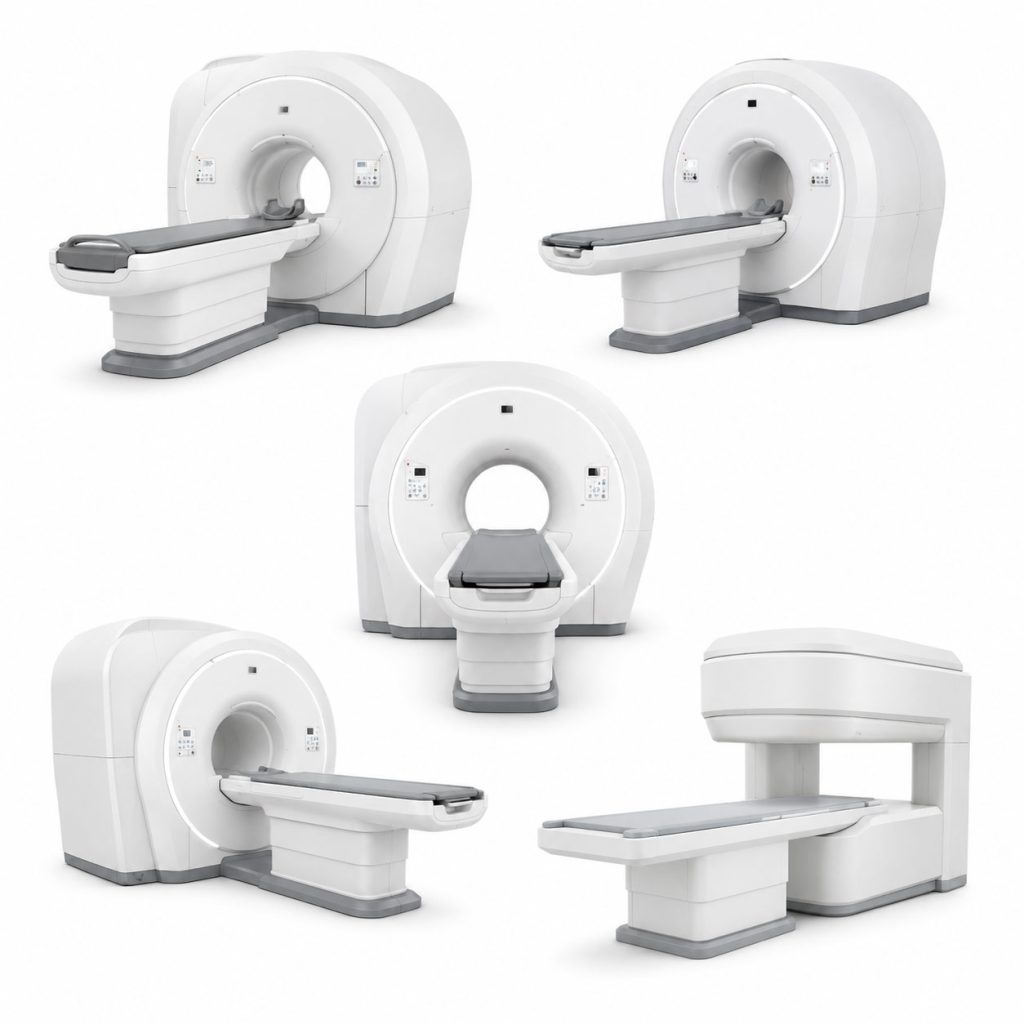
MRI Systems
MRI Systems for Hospitals and Diagnostic Imaging Centers
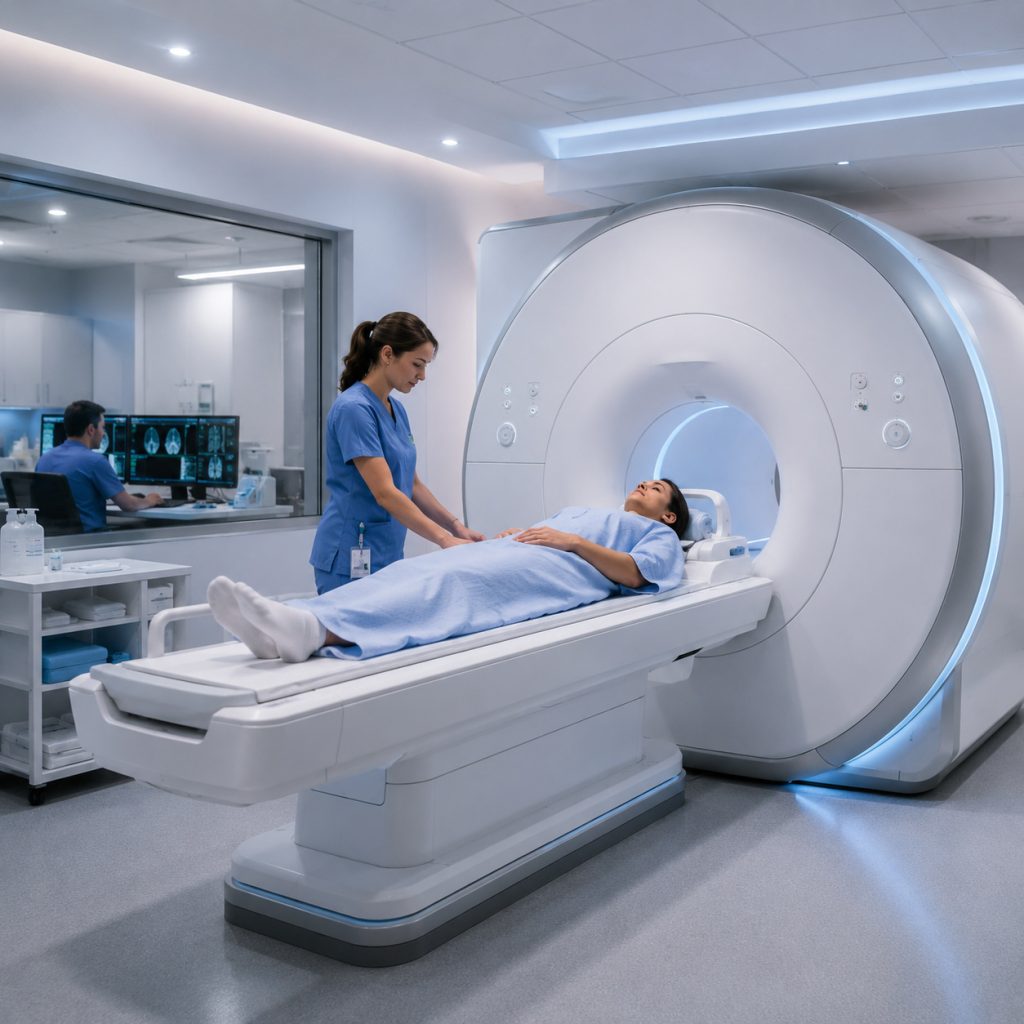
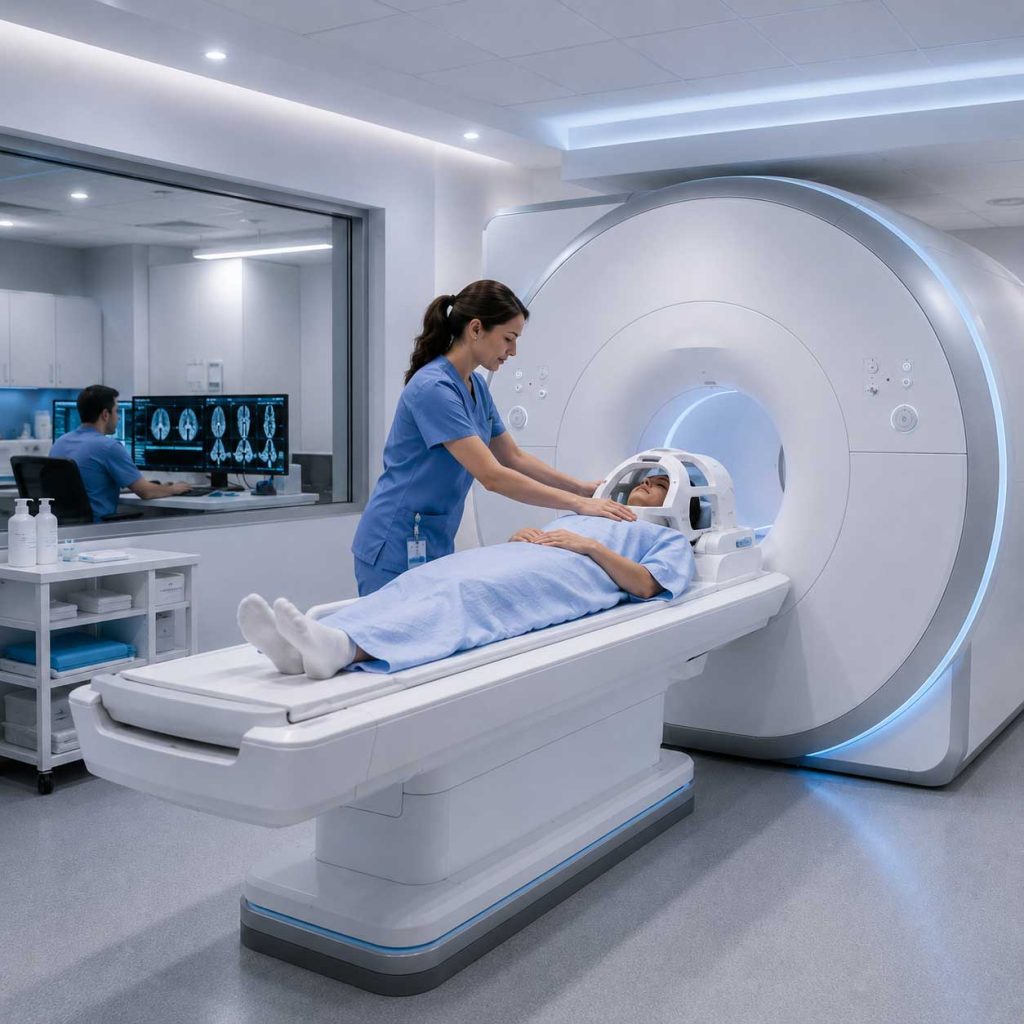
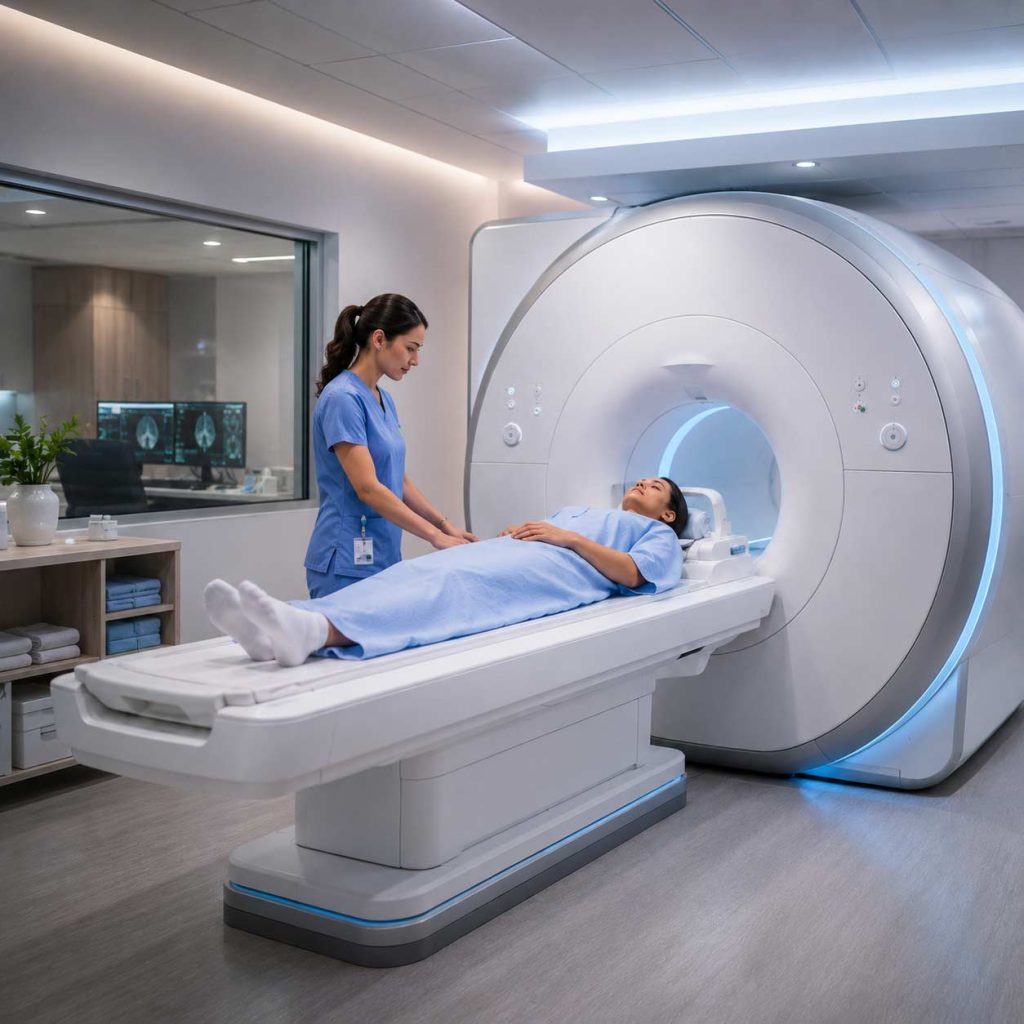
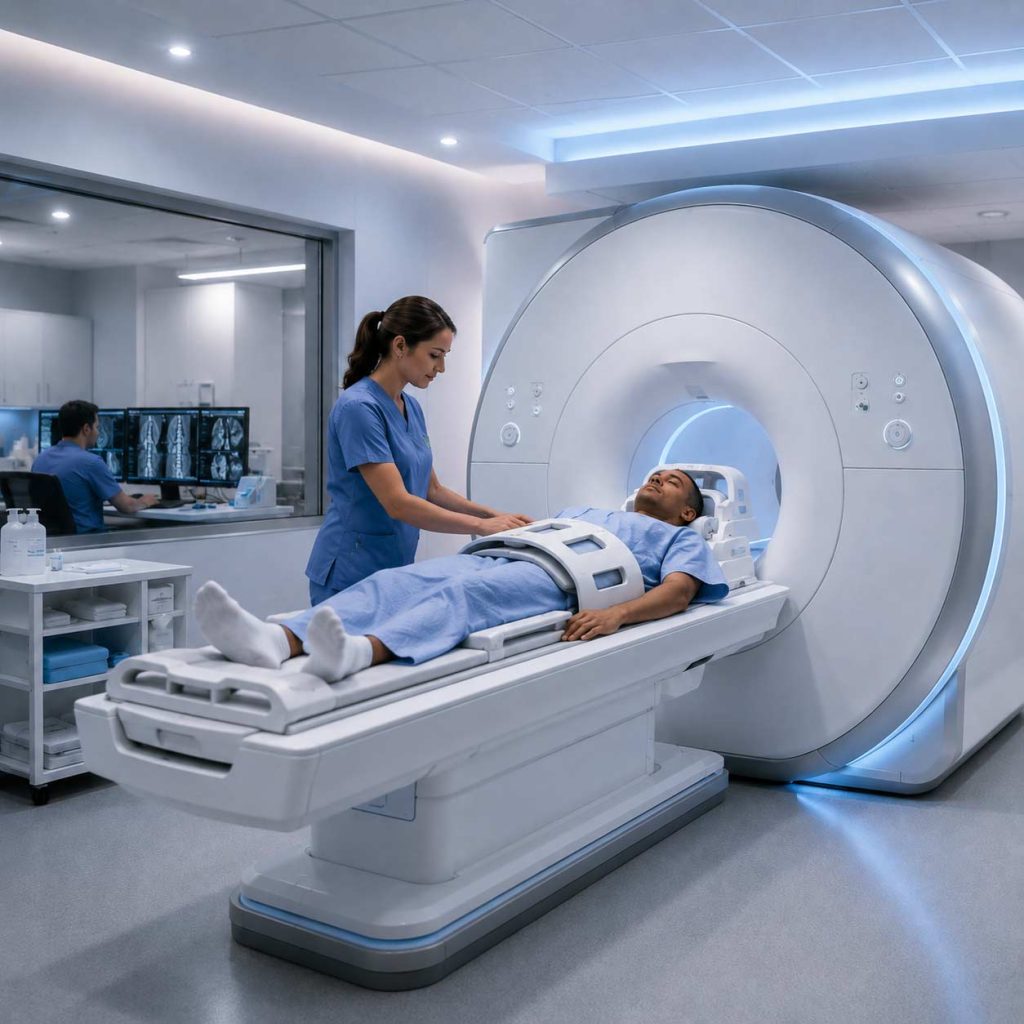
UMY Medical supplies 0.35T, 0.5T, and 1.5T MRI systems for hospitals, imaging centers, and healthcare projects. Configurations can be selected according to clinical application, patient volume, magnet strength, coil requirements, room conditions, and installation planning.
MRI Systems for Clinical Imaging Projects
MRI systems support neurological, musculoskeletal, abdominal, cardiovascular, oncology, and routine diagnostic examinations. System selection should consider the intended applications, expected patient volume, field strength, bore configuration, coil package, image-processing functions, and departmental workflow.
UMY Medical supplies 0.35T, 0.5T, and 1.5T MRI systems, with configurations selected according to diagnostic requirements, installation environment, operating capacity, software functions, and project budget.
MRI System Product Range
The range includes 0.35T, 0.5T, and 1.5T MRI systems for hospitals, diagnostic imaging centers, and healthcare projects. Available configurations may differ in magnet strength, bore design, gradient performance, coil package, examination table, imaging sequences, workstation software, and clinical application coverage.
Selecting the Right MRI System
Confirm the intended examinations, expected daily patient volume, required field strength, patient group, scan workflow, and reporting requirements. Buyers should also review bore dimensions, coil configuration, imaging sequences, reconstruction software, data storage, PACS or RIS connectivity, and operator workstation functions.
MRI Installation and Site Planning
MRI projects require advance confirmation of room dimensions, equipment access routes, floor conditions, electrical capacity, cooling and ventilation, control-room layout, magnetic-field planning, and installation responsibilities. Site drawings and utility information should be reviewed before the final system configuration is confirmed.
MRI Supply, Training, and Service Requirements
For quotation, provide the preferred field strength, intended clinical applications, expected patient volume, destination country, room conditions, voltage, and required coil package. Documentation, operator training, installation scope, warranty terms, delivery schedule, and local service responsibilities should also be confirmed.
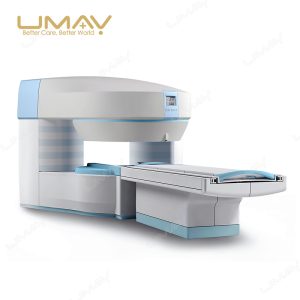
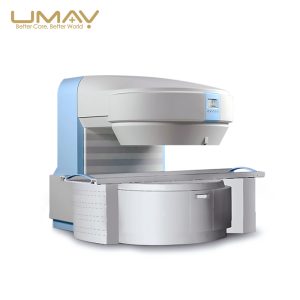
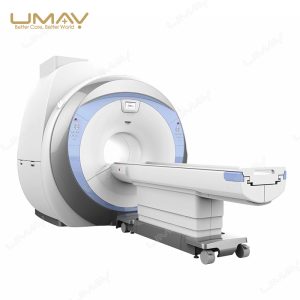






MRI Systems Across Hospital and Diagnostic Imaging Workflows
MRI systems are used for routine diagnostic examinations, neurological assessment, musculoskeletal evaluation, abdominal imaging, cardiovascular studies, oncology applications, and other soft-tissue imaging workflows. The required configuration depends on clinical scope, patient volume, field strength, coil selection, imaging sequences, and examination time.
Department planning should also consider patient preparation, positioning, operator controls, image review, data management, room access, safety procedures, cleaning requirements, and service access.
MRI Systems FAQ