Microscopes
Microscopes for Laboratory Observation and Imaging
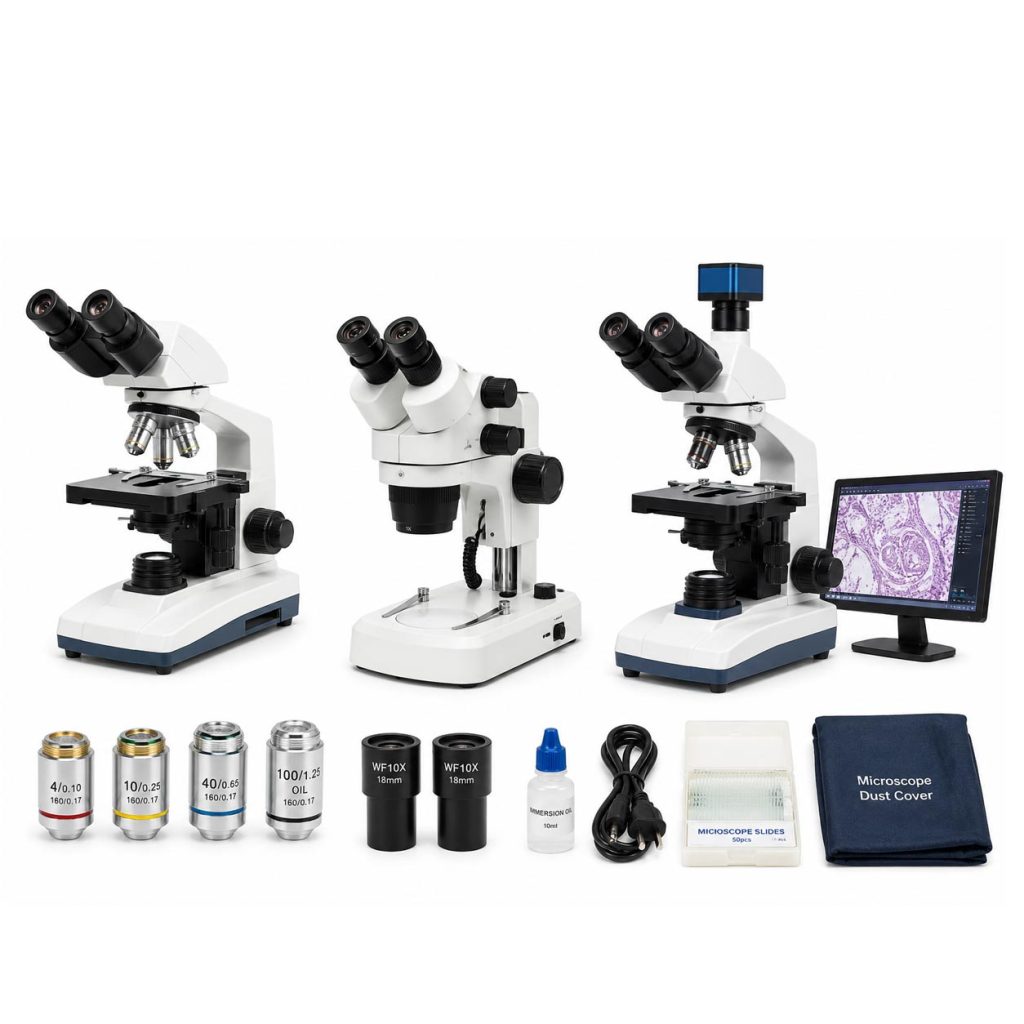
UMY Medical supplies microscopes for laboratory observation, microbiology, histology, cell research, education, and routine research applications. Available configurations include compound, stereo, trinocular, digital, and selected specialized microscopes, with options selected according to sample type, magnification, illumination, imaging, and documentation requirements.
Microscopes for Laboratory Analysis, Education, and Research
UMY Medical supplies microscopes for laboratories, universities, research institutes, teaching facilities, and related scientific applications. Available models support routine slide observation, microbiology, histology, cell observation, specimen inspection, education, image capture, and documentation according to the selected microscope configuration.
Microscope Configurations
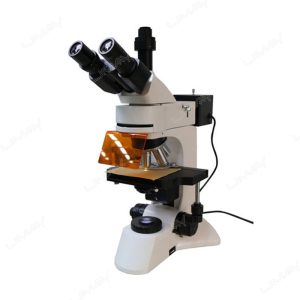
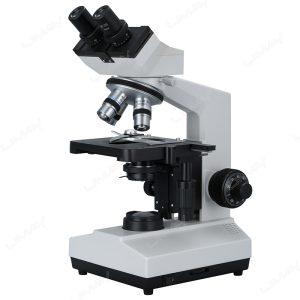
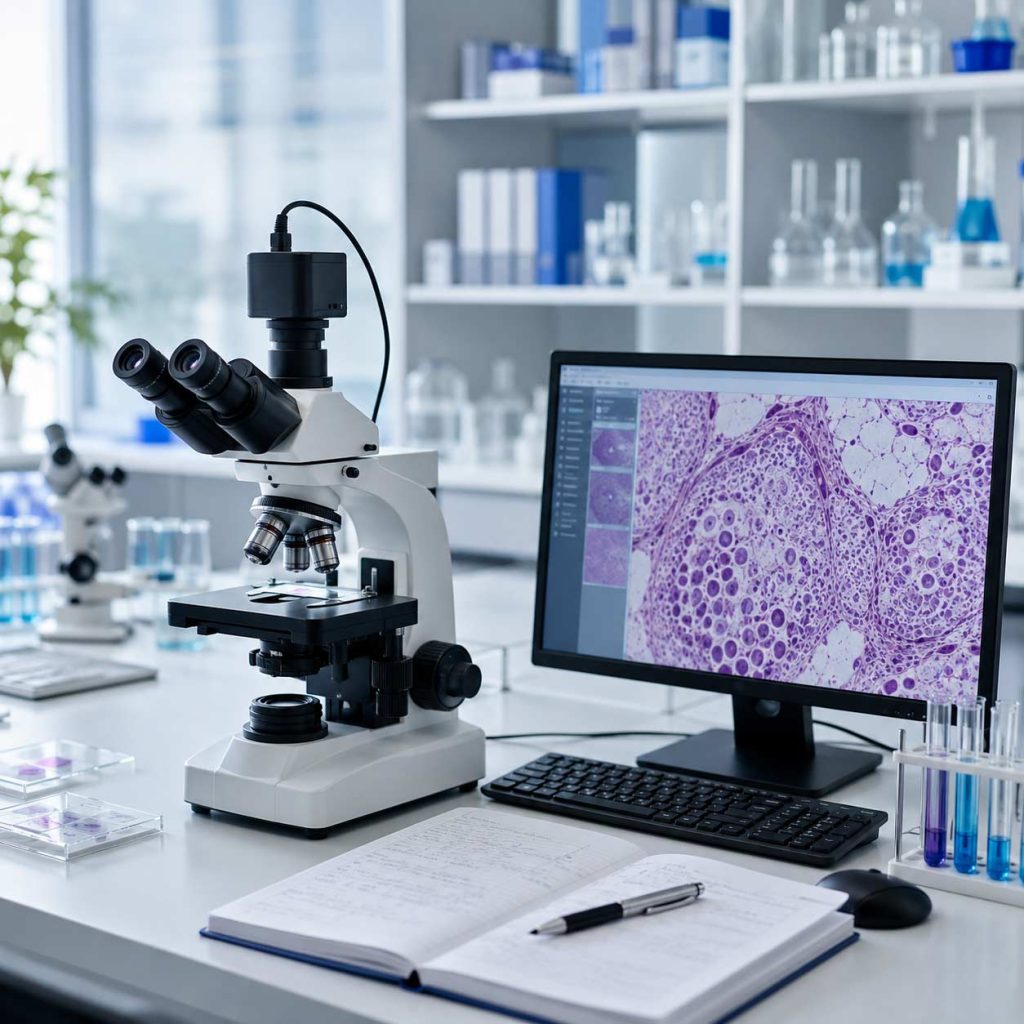
Available configurations may include monocular, binocular, trinocular, compound, stereo, digital, and selected fluorescence microscopes. Depending on the model, differences can include optical system, objective configuration, magnification range, illumination method, mechanical stage, focusing system, camera interface, and imaging or measurement software.
How to Choose a Microscope
Start with the sample type and intended application, then confirm the required microscope type, magnification range, objective configuration, illumination method, viewing head, stage design, and whether image capture or measurement functions are required. Buyers should also review camera compatibility, software requirements, included accessories, power supply, laboratory space, and required quantity before quotation.
Showing all 4 results
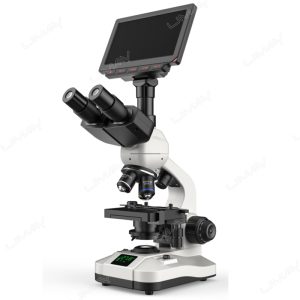
Microscopes Across Laboratory, Education, and Research Workflows
Different microscope types are suited to different specimens and observation tasks. Compound microscopes are commonly selected for slide-based observation, stereo microscopes provide lower-magnification viewing of larger or three-dimensional specimens, while trinocular and digital configurations can support image capture, teaching, measurement, and documentation workflows.
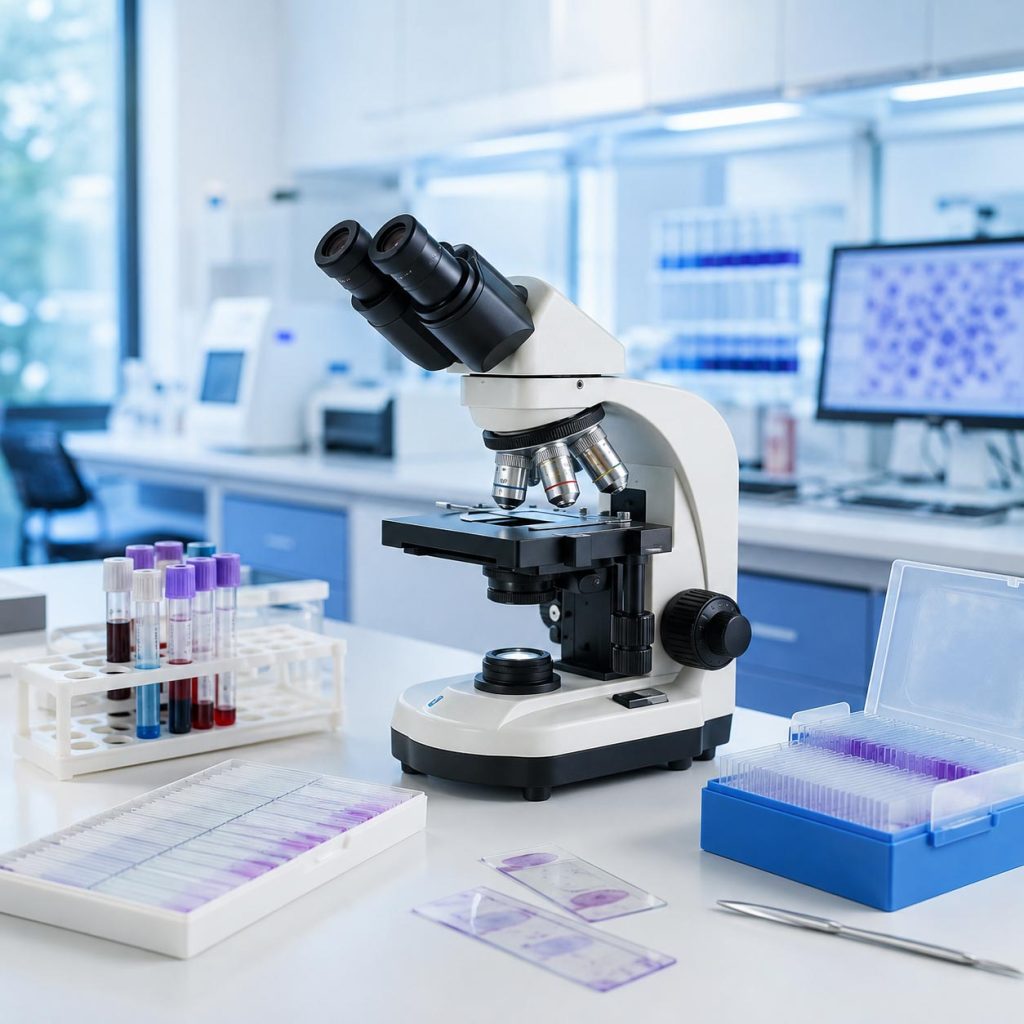
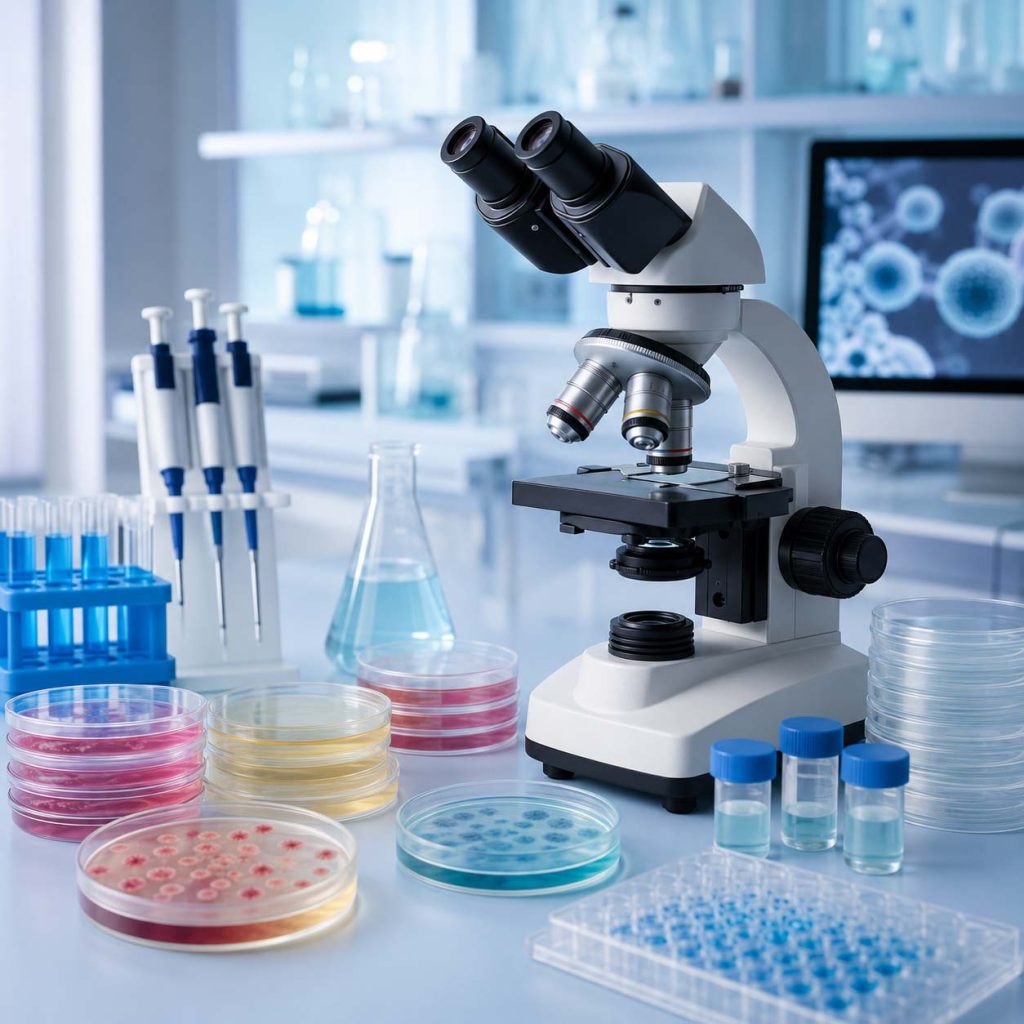
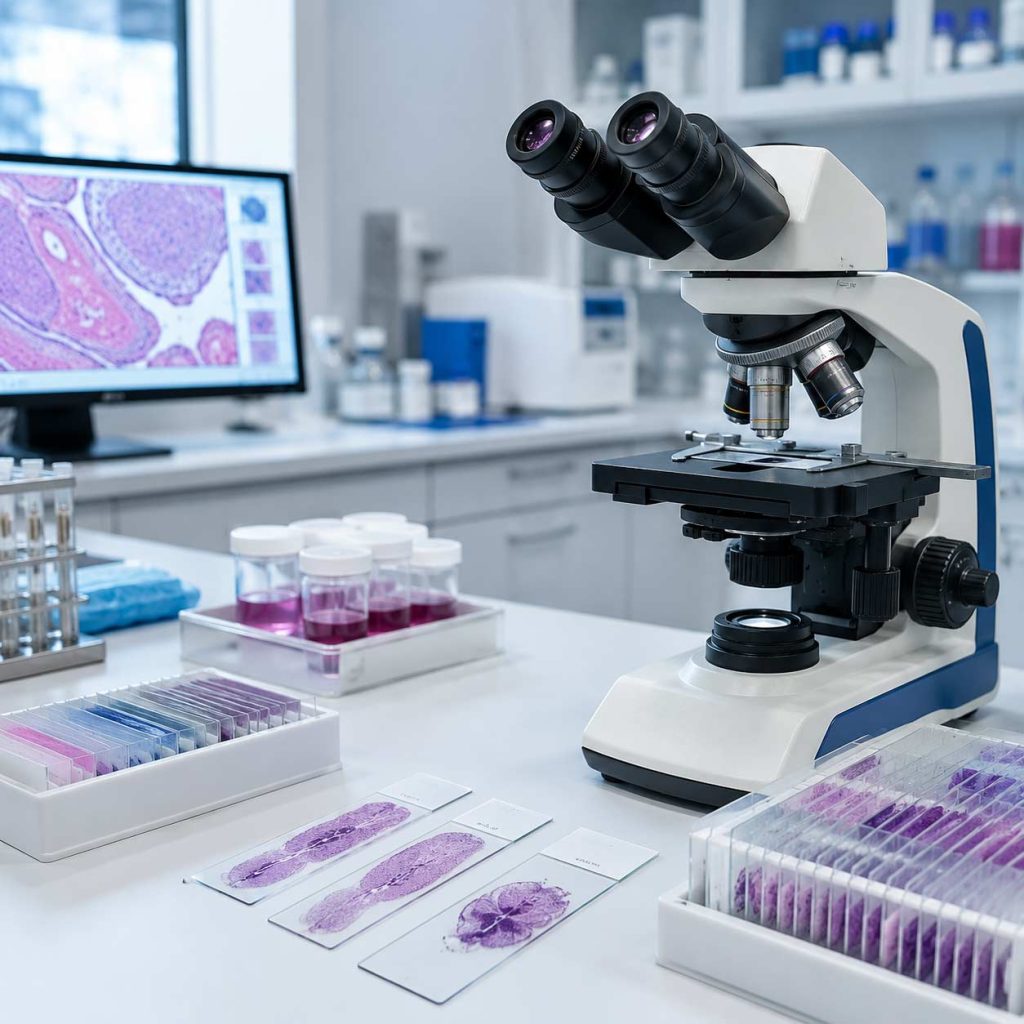
Microscopes FAQ