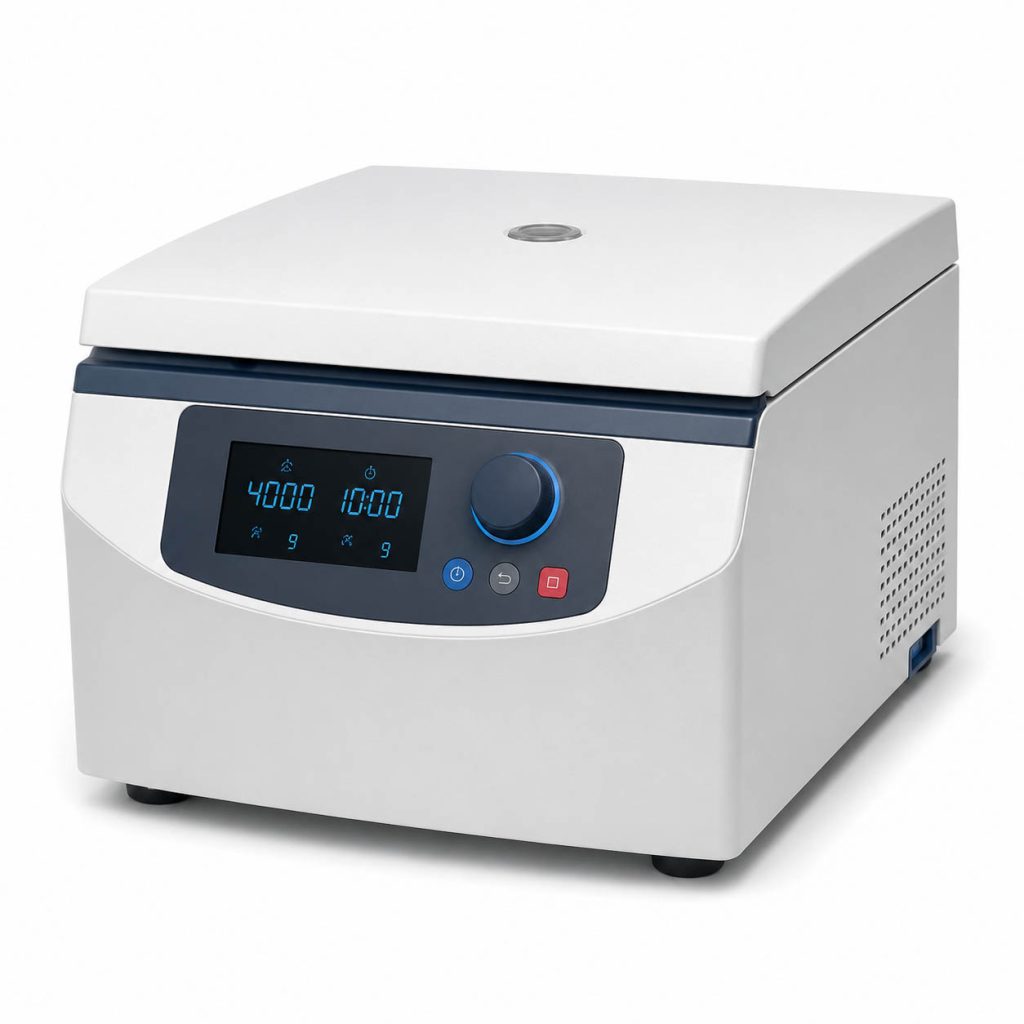
Centrifuges
Laboratory Centrifuges for Efficient Sample Separation
UMY Medical supplies laboratory centrifuges for clinical, research, biotechnology, and testing laboratories. Available configurations can be selected according to sample type, tube size, rotor design, capacity, speed range, and daily processing requirements.
Laboratory Centrifuges for Sample Separation and Routine Processing
UMY Medical supplies laboratory centrifuges for research, testing, biotechnology, and routine laboratory workflows. Available models support the separation of blood, biological samples, cell suspensions, and other laboratory materials, with configurations selected according to tube type, rotor design, capacity, required RCF or speed range, and processing workload.
Centrifuge Configurations
The range may include compact benchtop centrifuges, low-speed and high-speed models, refrigerated centrifuges, and configurations with fixed-angle or swing-out rotors. Model differences may include maximum RCF and speed, rotor capacity, compatible tube sizes, temperature-control range, timer settings, acceleration and braking control, operating programs, and included adapters.
Selecting the Right Centrifuge
Confirm the sample type, tube or container size, required RCF or speed, sample capacity, and expected daily workload before selecting a centrifuge. Buyers should also review rotor type, refrigeration requirements, temperature range, timer and program functions, imbalance protection, lid-locking system, noise level, available bench space, power supply, and required rotors or adapters.
Showing all 3 results
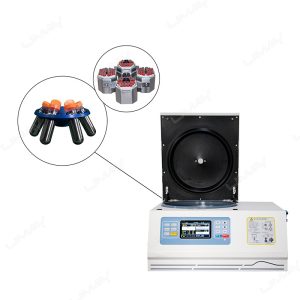
Centrifuges Across Sample Separation and Laboratory Processing Workflows
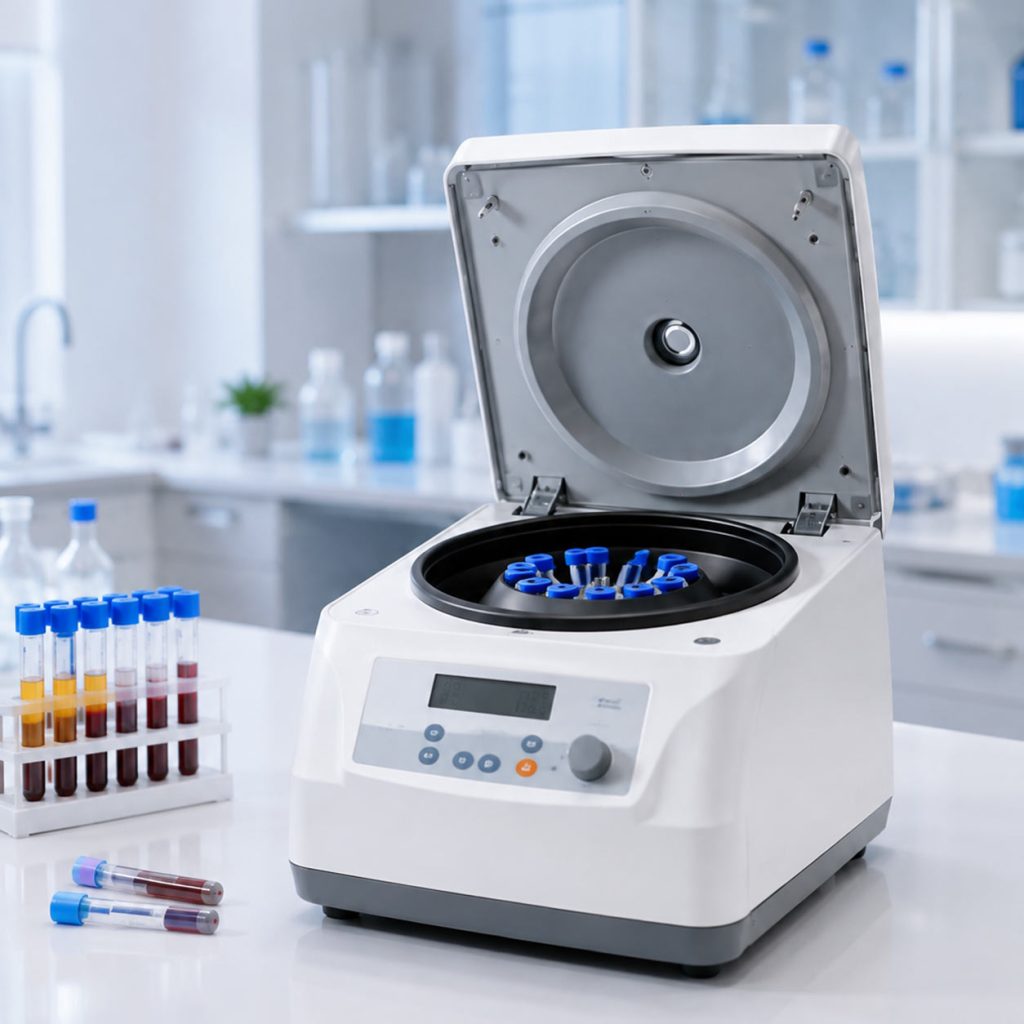
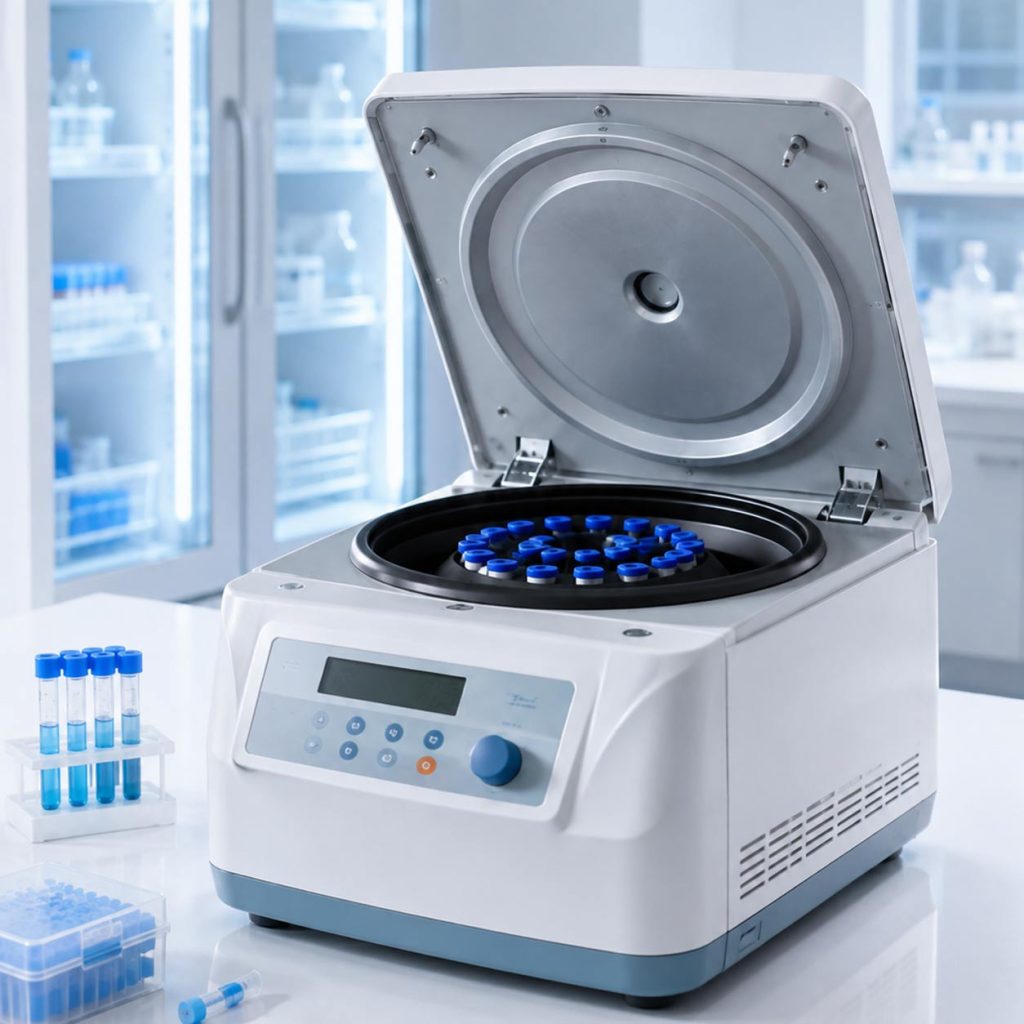
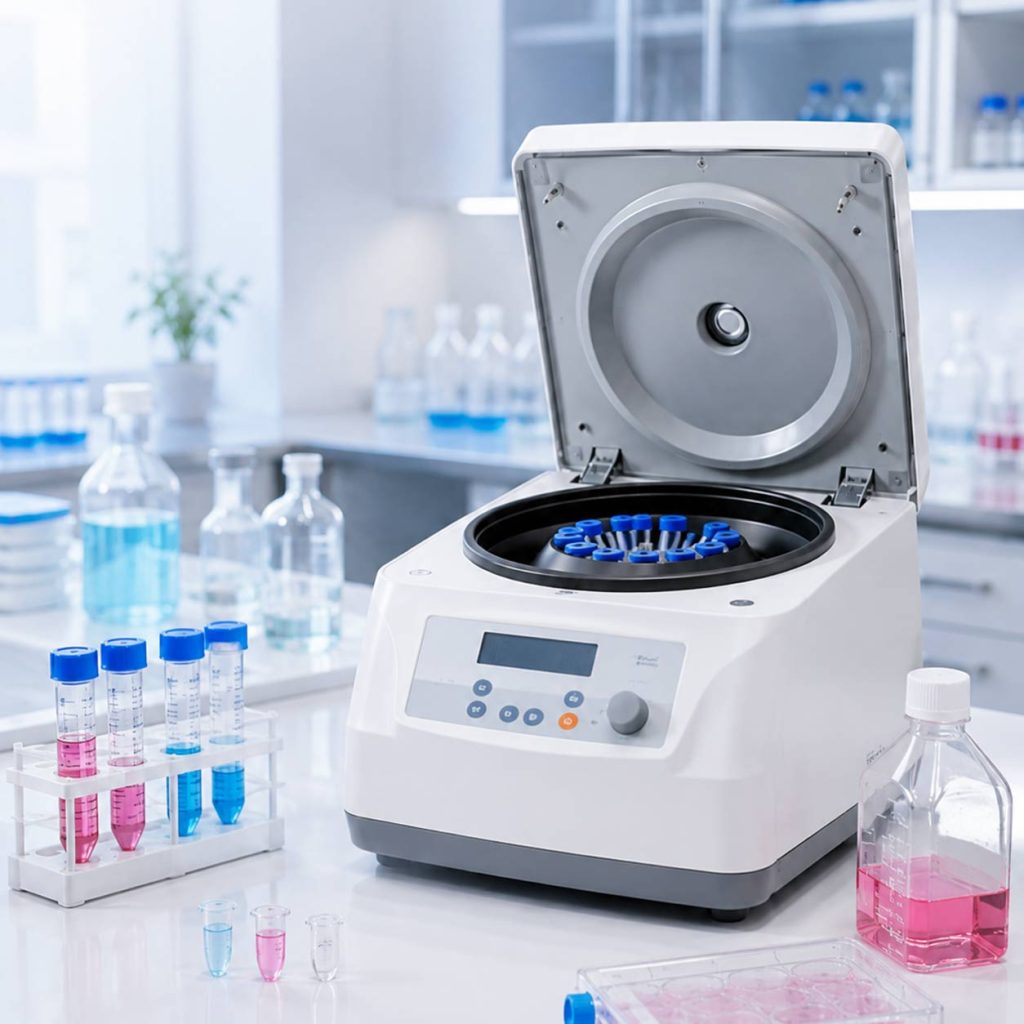
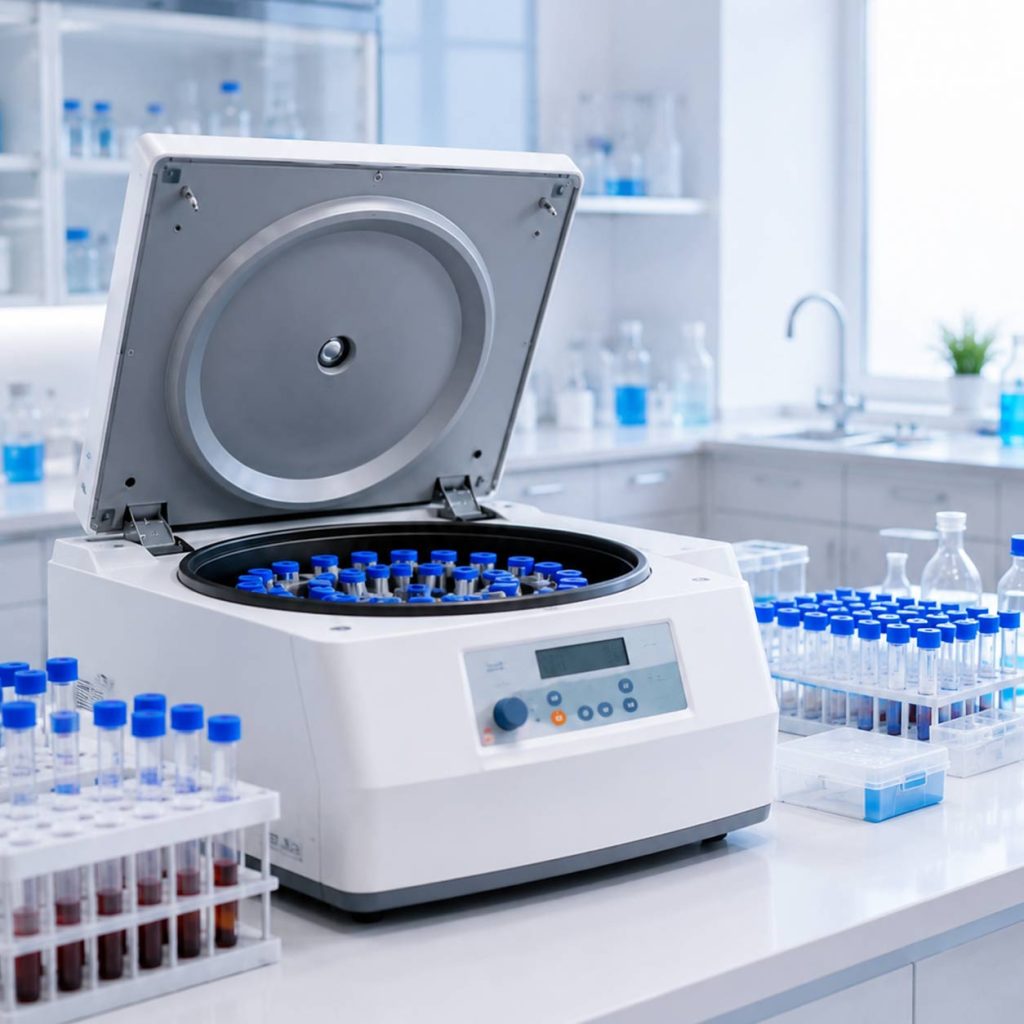
Laboratory centrifuges are used to separate sample components according to density through controlled centrifugal force. Applications range from routine blood and urine processing to cell separation, sample clarification, research preparation, and other laboratory workflows requiring consistent separation before analysis.
The appropriate centrifuge depends on the sample type, tube or container format, required RCF or speed, rotor configuration, processing capacity, and temperature requirements. Buyers should also confirm rotor compatibility, acceleration and braking control, imbalance protection, refrigeration needs, operating programs, and expected daily workload.
Centrifuges FAQ