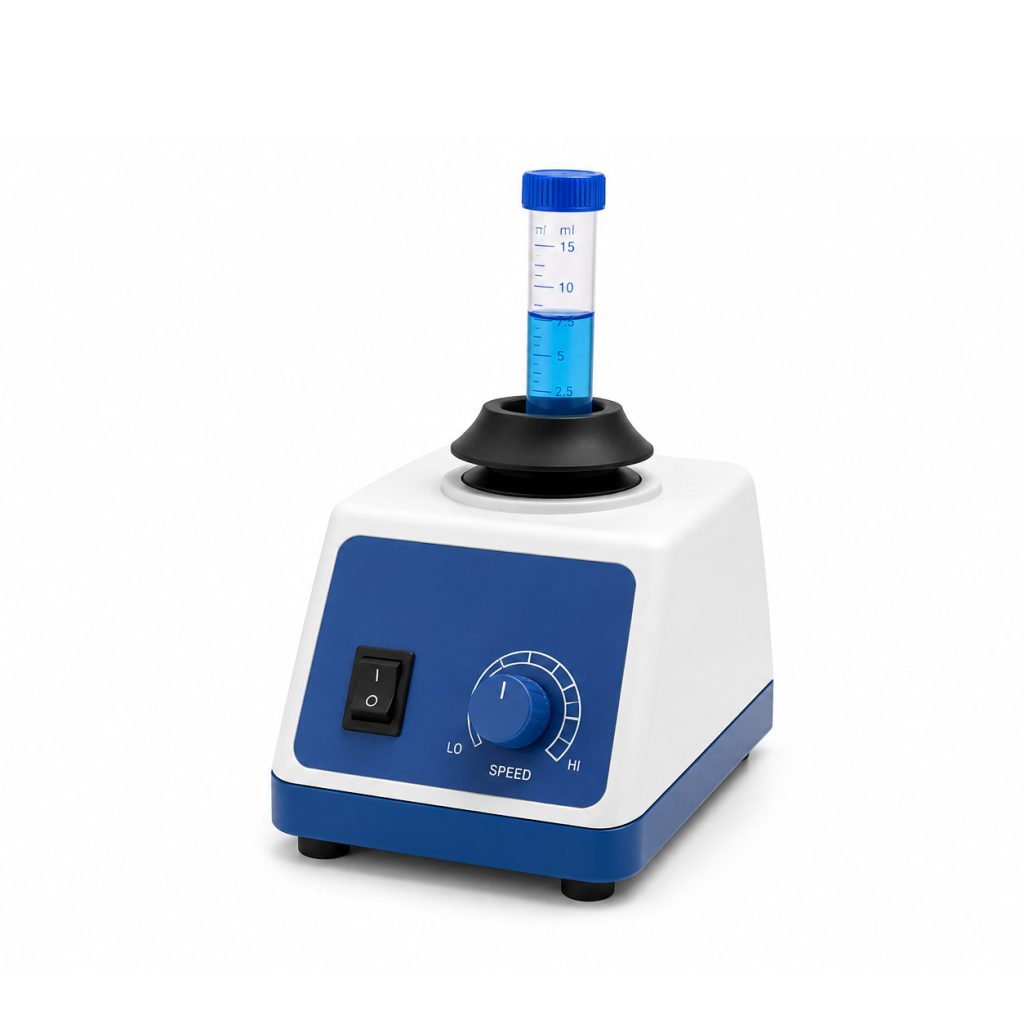
Vortex Mixer
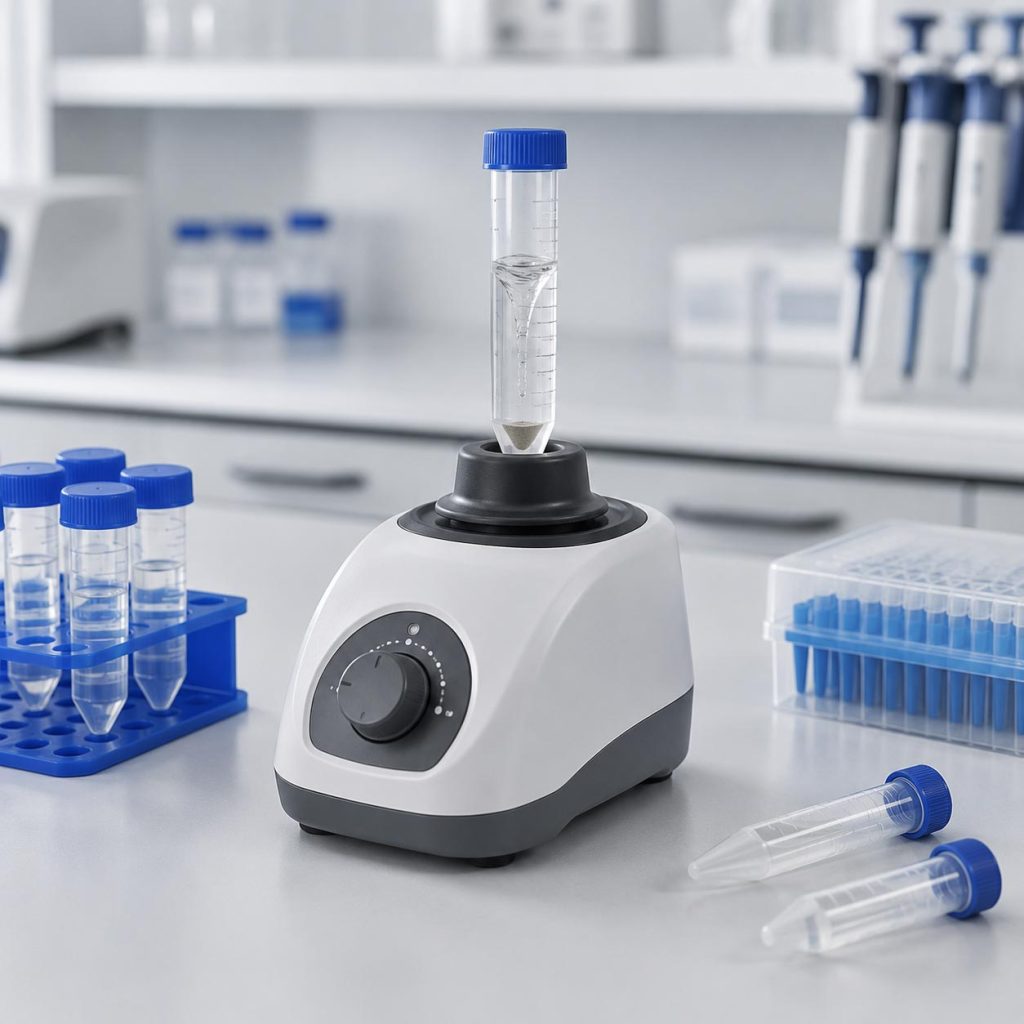
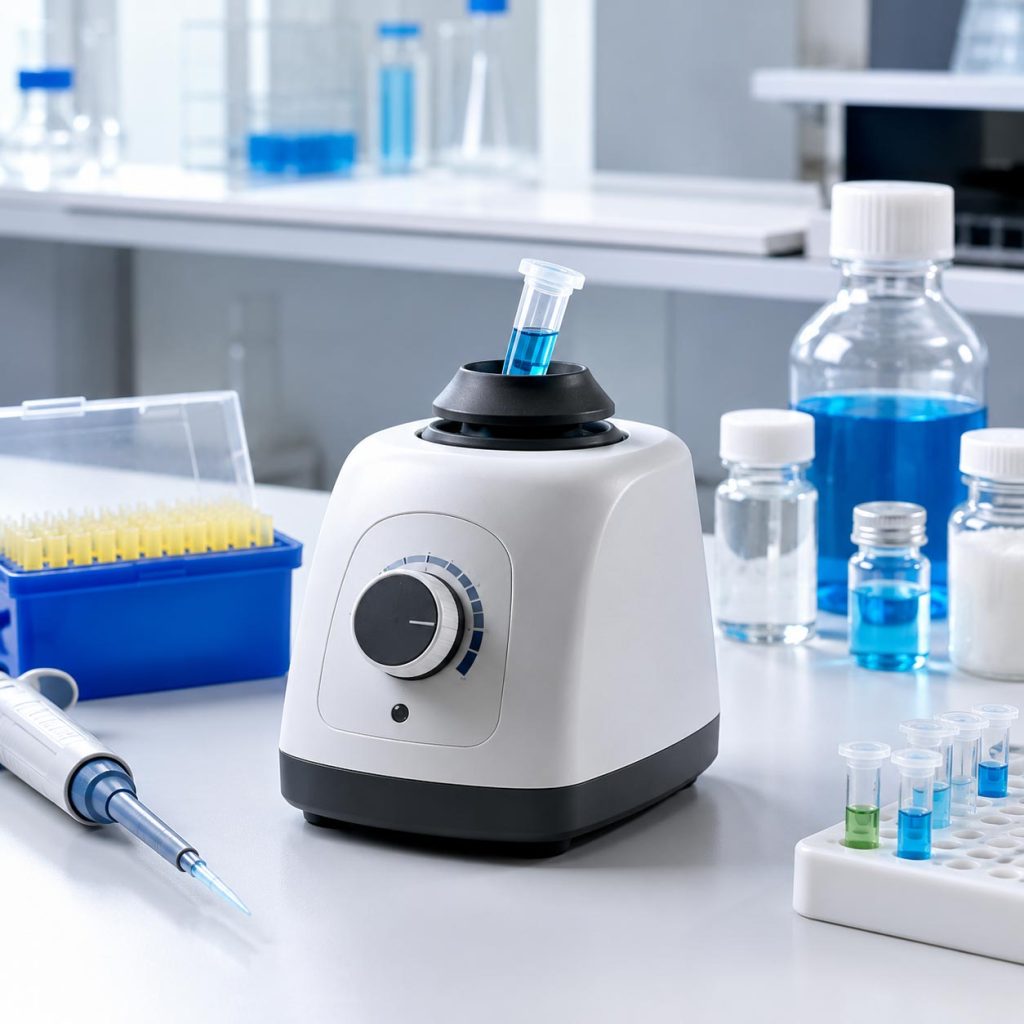
Compact vortex mixers for rapid mixing, resuspension, and sample preparation in tubes, vials, and other small laboratory containers, with models selected according to speed range, operating mode, container format, attachment type, and daily workload.
Vortex Mixers for Rapid Tube Mixing and Sample Resuspension
UMY Medical supplies vortex mixers for research laboratories, microbiology facilities, universities, biotechnology laboratories, and testing centers. Available models support rapid mixing of test tubes, centrifuge tubes, vials, and other small sample containers for reagent mixing, pellet resuspension, and routine sample preparation.
Vortex Mixer Product Range
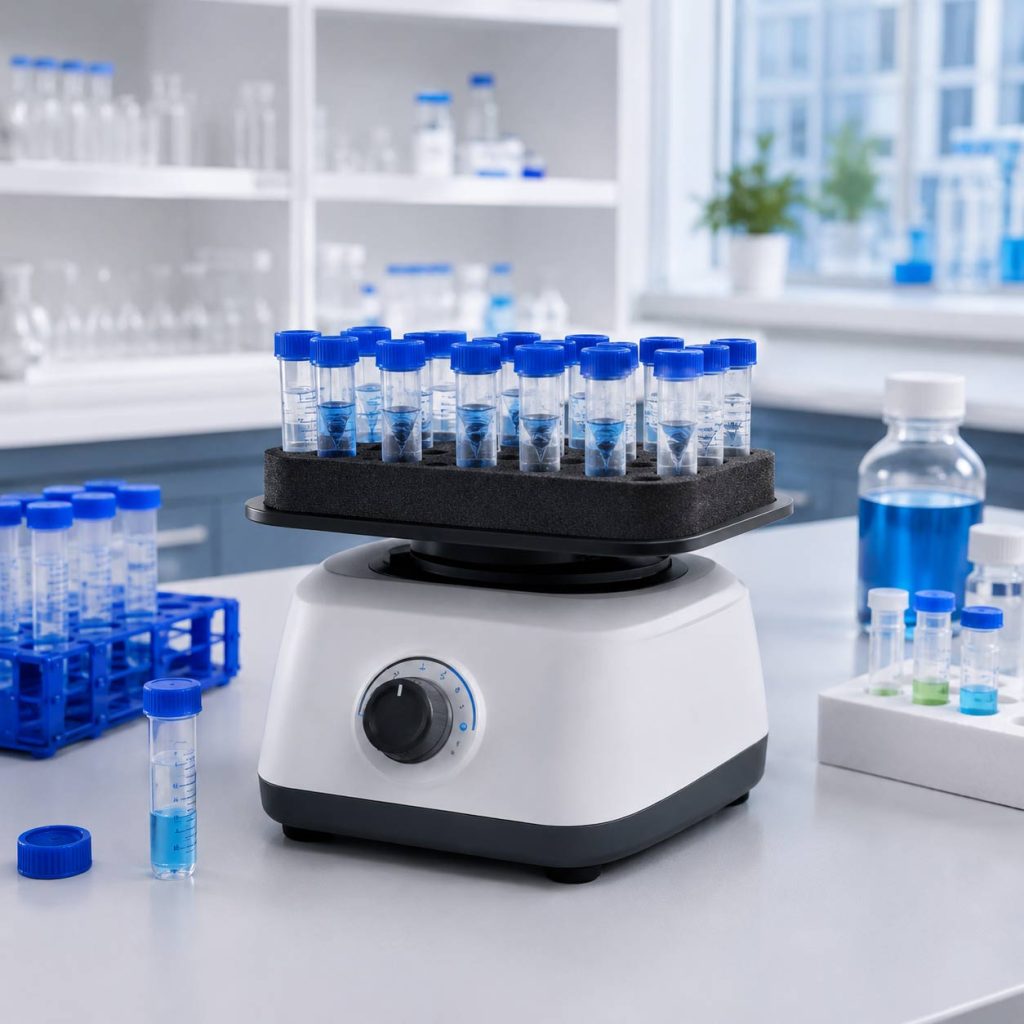
The range includes fixed-speed and variable-speed vortex mixers, touch-activated models, continuous-operation units, and selected multi-tube configurations. Model differences may include speed range, operating mode, mixing-head design, timer functions, container capacity, and compatibility with tube racks, vial holders, or other attachments.
Selecting a Vortex Mixer
Confirm the sample-container type, required speed range, expected workload, and whether touch-activated or continuous operation is preferred. Buyers should also review mixing-head or attachment compatibility, container capacity, timer functions, stability, noise level, footprint, cleaning access, and power requirements.
Showing all 2 results
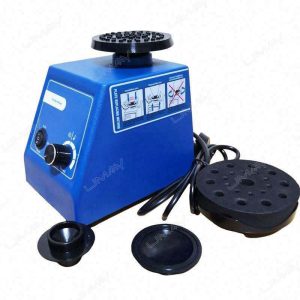
Vortex Mixers Across Tube Mixing and Sample Resuspension Workflows
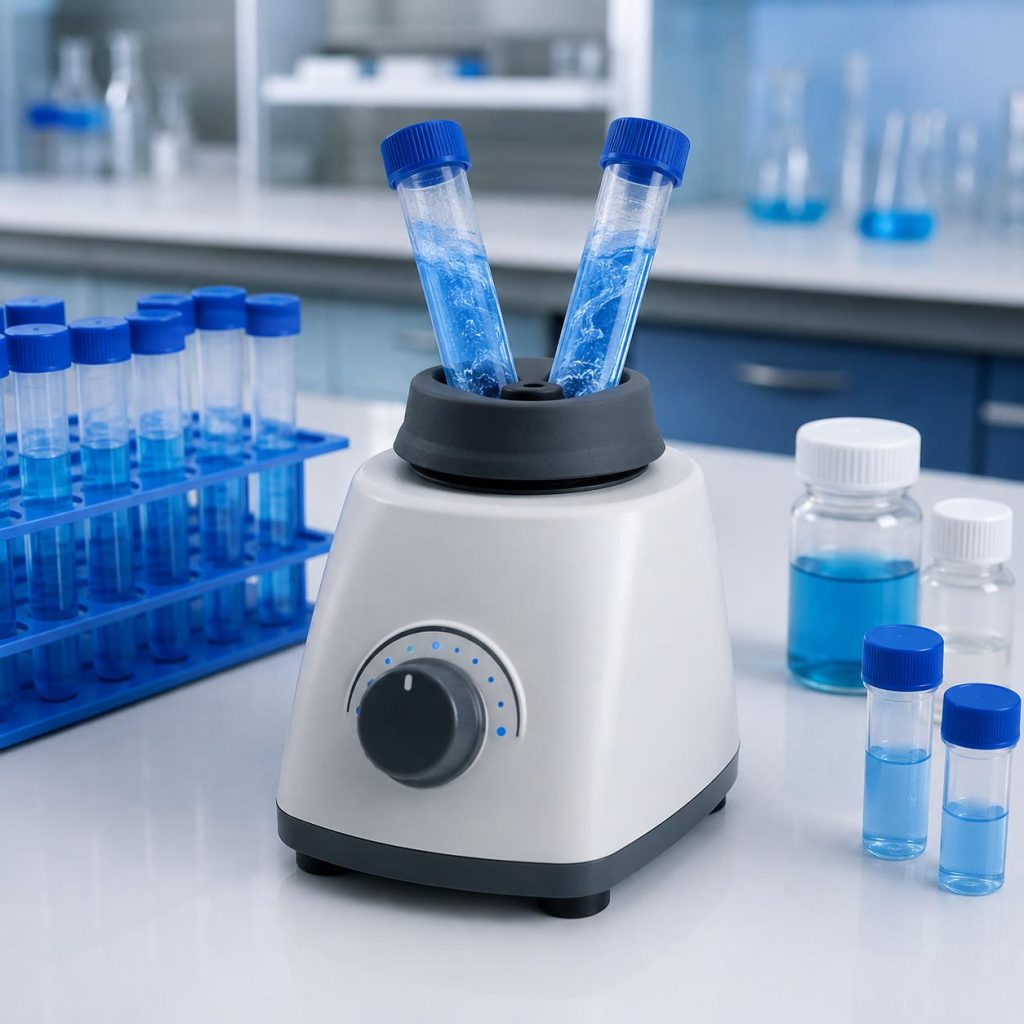
Vortex mixers provide rapid localized agitation for test tubes, centrifuge tubes, vials, and other small laboratory containers. Typical applications include reagent mixing, cell-pellet resuspension, sample reconstitution, and preparation before centrifugation, incubation, or analysis.
The selected mixer should match the container format, sample volume and viscosity, required speed range, operating frequency, and preferred control mode. Buyers should also confirm mixing-head compatibility, touch or continuous operation, timer functions, stability, noise level, and available bench space.
Vortex Mixer FAQ