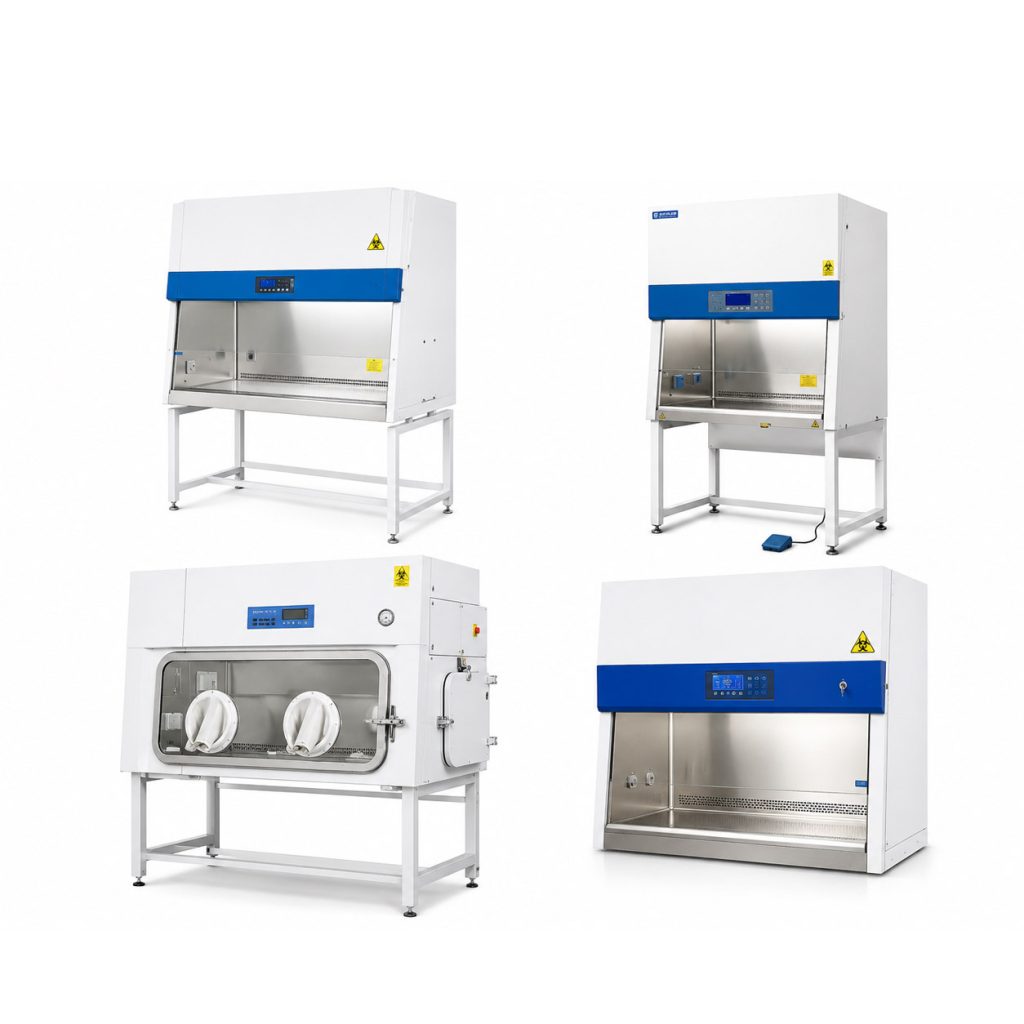
Biological Safety Cabinets
Biological safety cabinets for controlled handling of microbiological samples, cell cultures, clinical specimens, and other potentially infectious materials in clinical, research, microbiology, and biotechnology laboratories, with configurations selected according to cabinet class, airflow design, working width, exhaust requirements, monitoring functions, and laboratory workflow.
Biological Safety Cabinets for Personnel, Product, and Environmental Protection
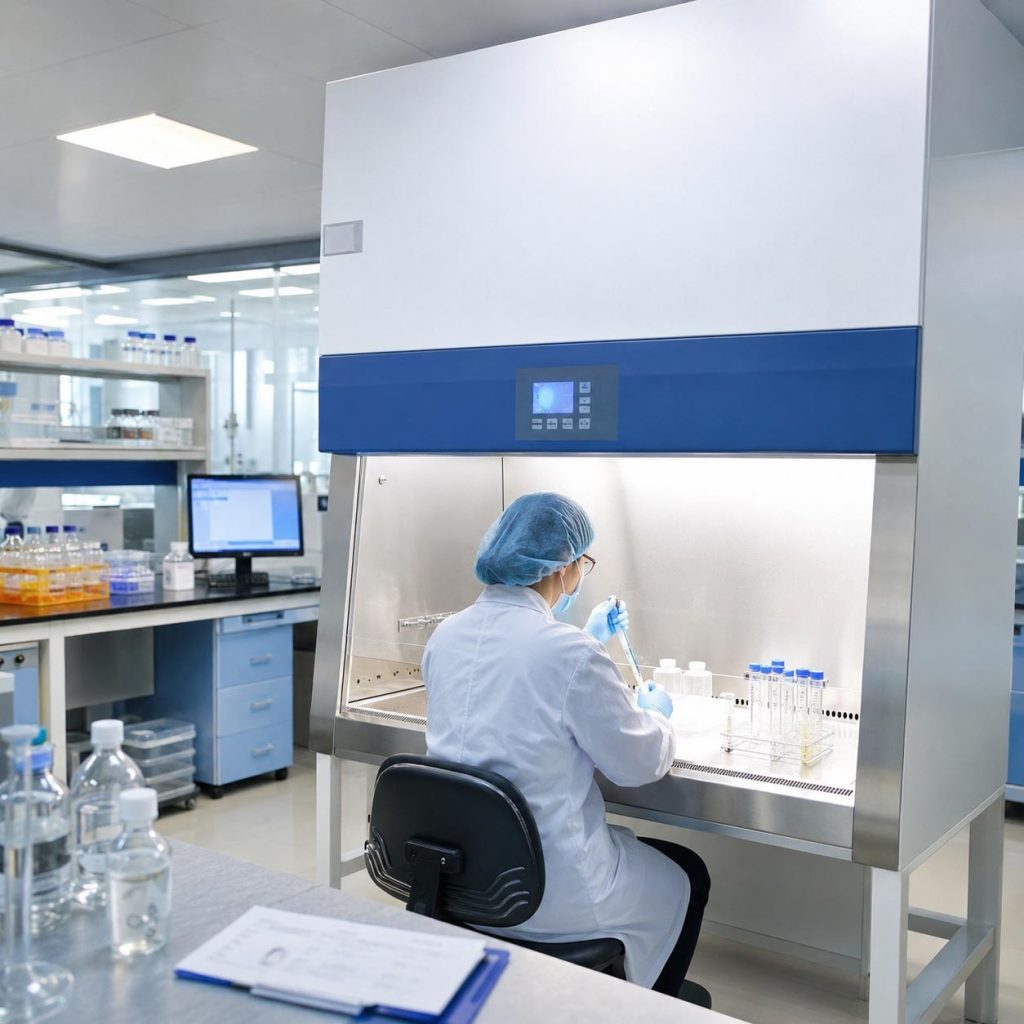
UMY Medical supplies biological safety cabinets for clinical laboratories, microbiology facilities, research institutes, universities, and biotechnology laboratories. Depending on cabinet class and airflow configuration, systems provide primary containment for work involving biological samples and potentially infectious materials. Class II cabinets, the most common type used in laboratories, are designed to provide personnel, product, and environmental protection.
Biological Safety Cabinet Product Range
The range includes Class I, Class II, and fully enclosed Class III biological safety cabinets in different working widths and installation formats. Configurations vary by cabinet class, airflow pattern, HEPA filtration, exhaust arrangement, sash design, work-zone dimensions, service outlets, airflow monitoring, alarms, support stands, and available accessory options.
Selecting a Biological Safety Cabinet
Confirm the biological material or procedure being handled, required containment level, cabinet class, working width, and exhaust arrangement before selection. Buyers should also review inflow and downflow performance, HEPA filter configuration, sash opening, airflow alarms, work-zone dimensions, service outlets, room ventilation, installation clearances, power supply, and applicable certification requirements.
Biological Safety Cabinets Across Microbiology, Cell Culture, and Containment Workflows
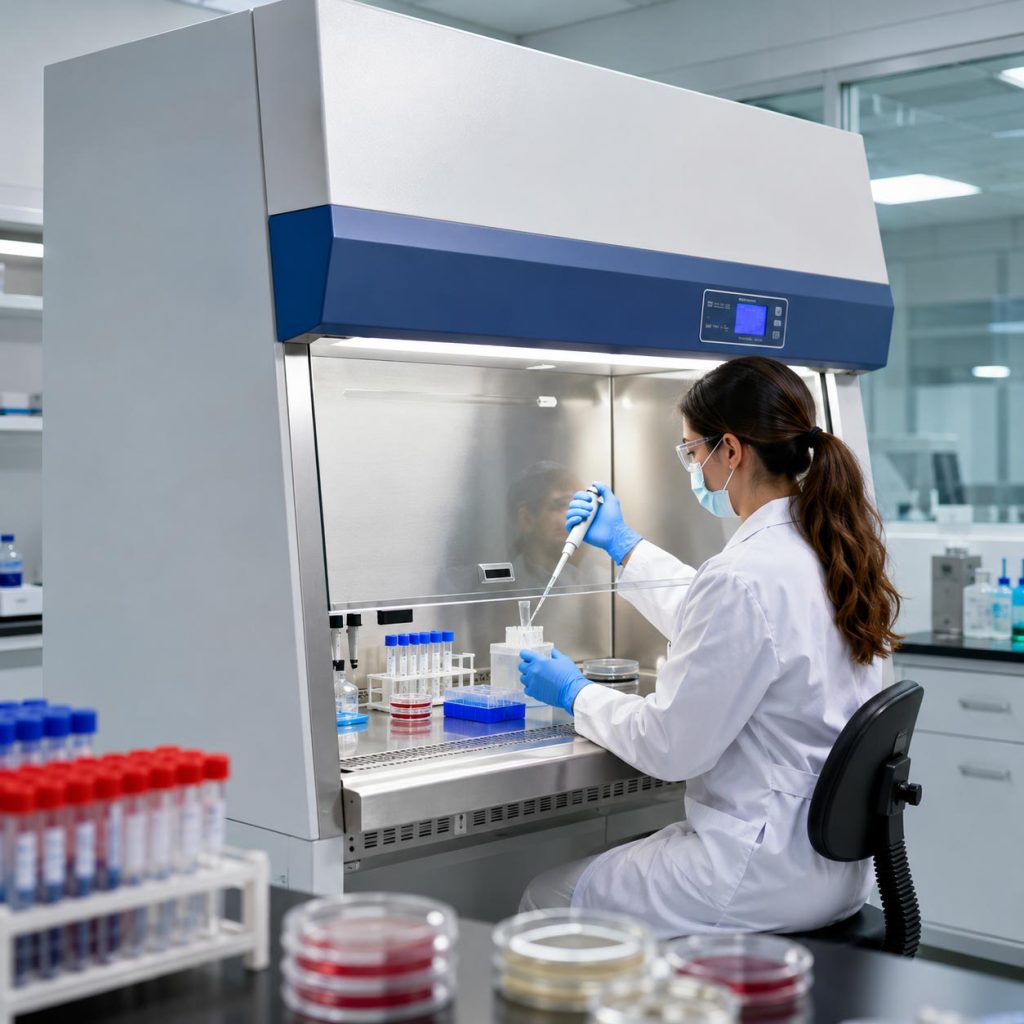
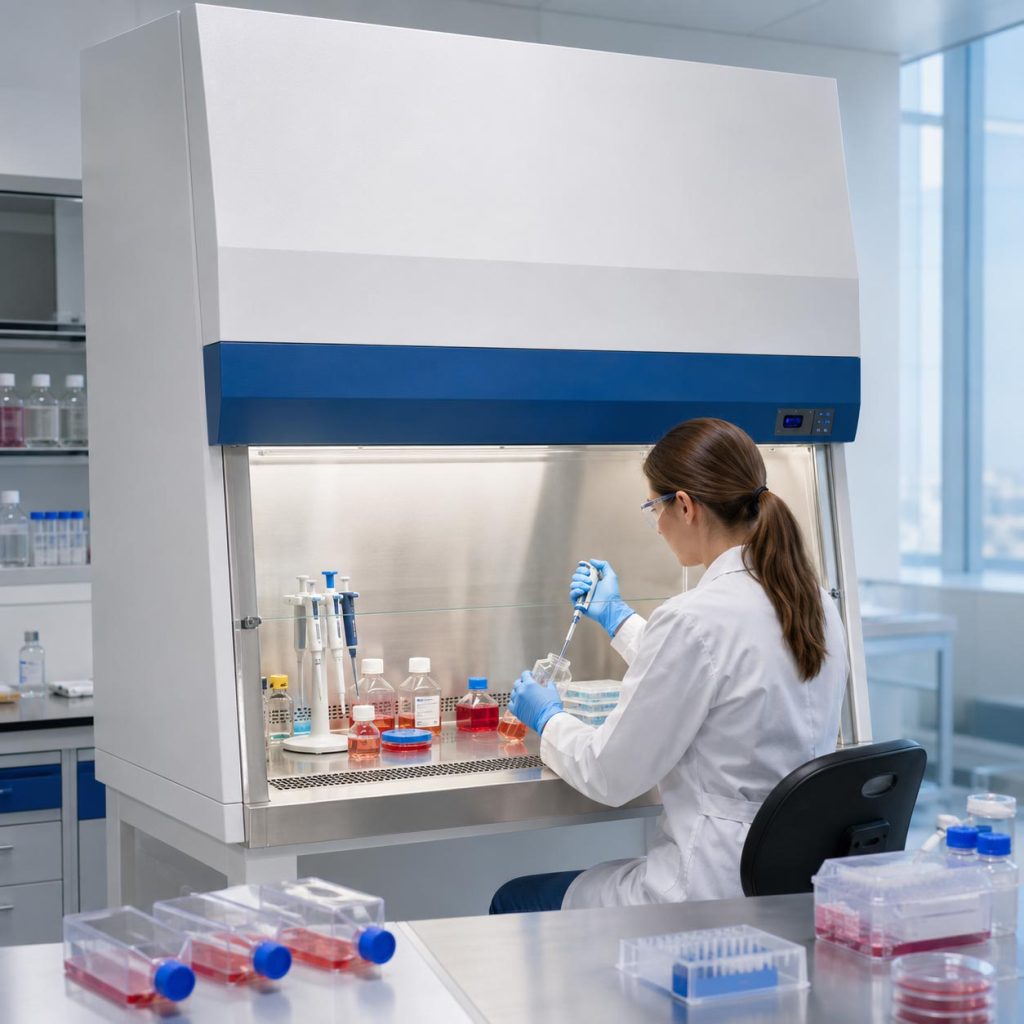
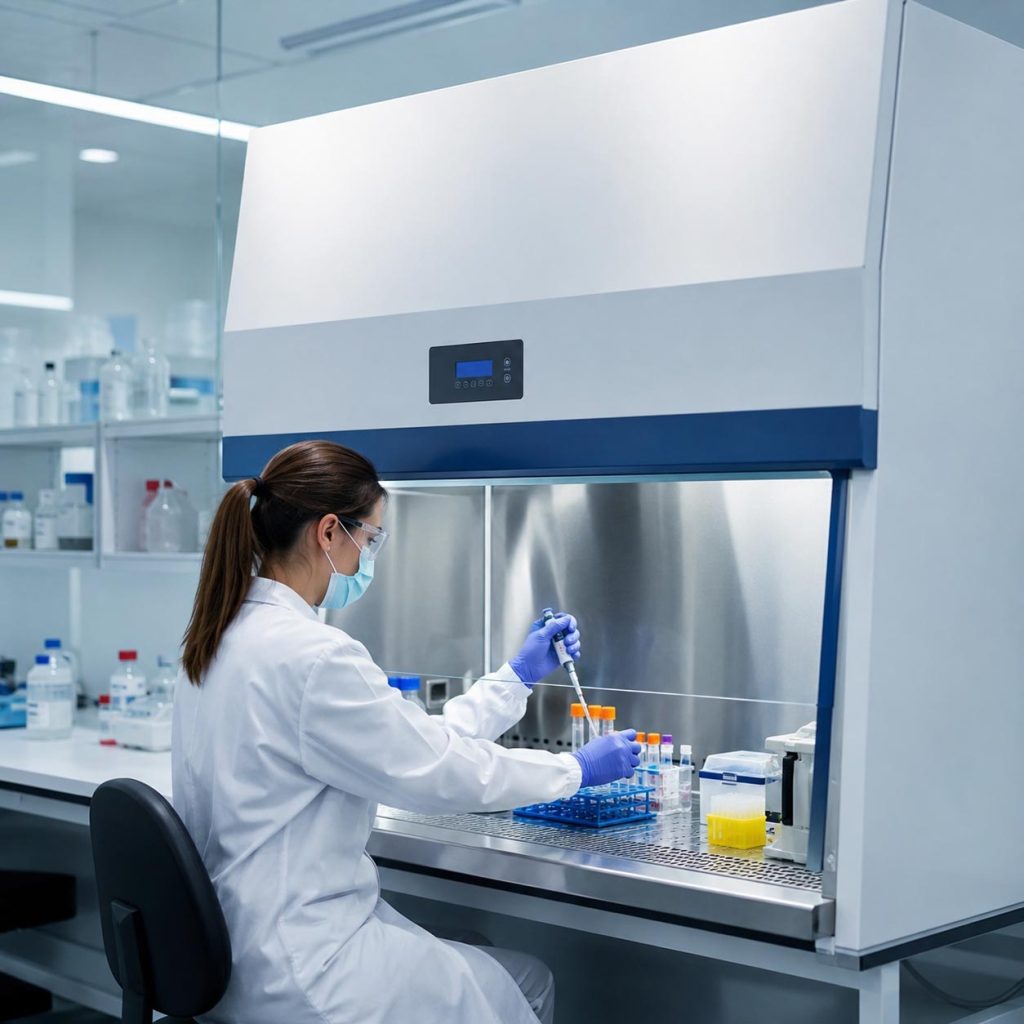
Biological safety cabinets provide primary containment for laboratory procedures involving microbiological samples, cell cultures, clinical specimens, and other potentially hazardous biological materials. Protection depends on cabinet class, airflow design, exhaust configuration, and correct operating practices.
Cabinet selection should match the biological risk assessment, procedure type, required containment, working width, and room exhaust conditions. Buyers should also confirm inflow and downflow performance, HEPA filtration, sash opening, airflow alarms, cleaning access, service outlets, installation clearances, and certification requirements.
Biological Safety Cabinets FAQ