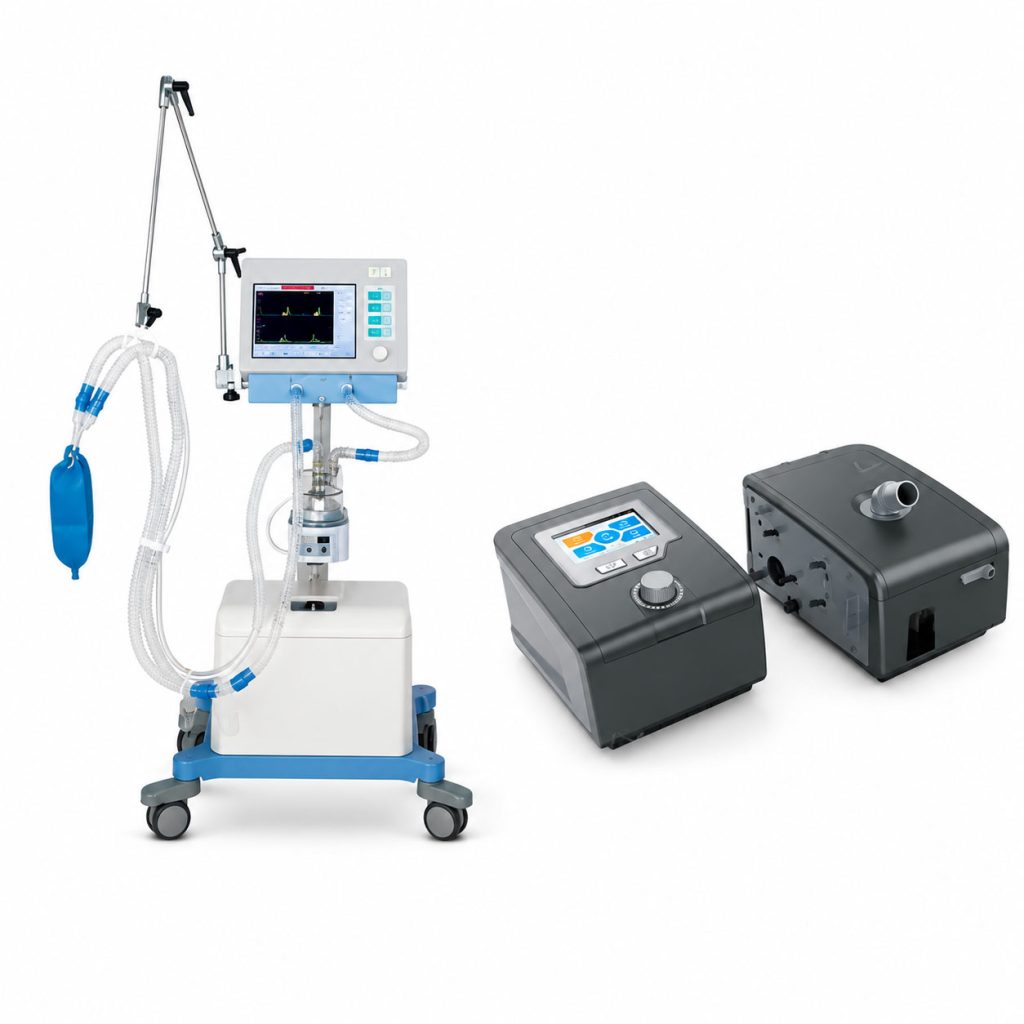
Respiratory Equipment
UMY Medical supplies respiratory equipment for critical care, emergency departments, wards, clinics, and selected home-care applications. Available configurations support invasive and non-invasive ventilation, oxygen delivery, aerosol therapy, airway suction, and humidification.
Respiratory Equipment for Ventilation, Oxygen Therapy, and Airway Support
Respiratory equipment supports mechanical ventilation, non-invasive respiratory assistance, oxygen therapy, aerosol treatment, airway secretion removal, and humidification. Equipment can be selected according to the patient group, required support mode, treatment location, monitoring requirements, and expected duration of use.
Respiratory Equipment Product Range
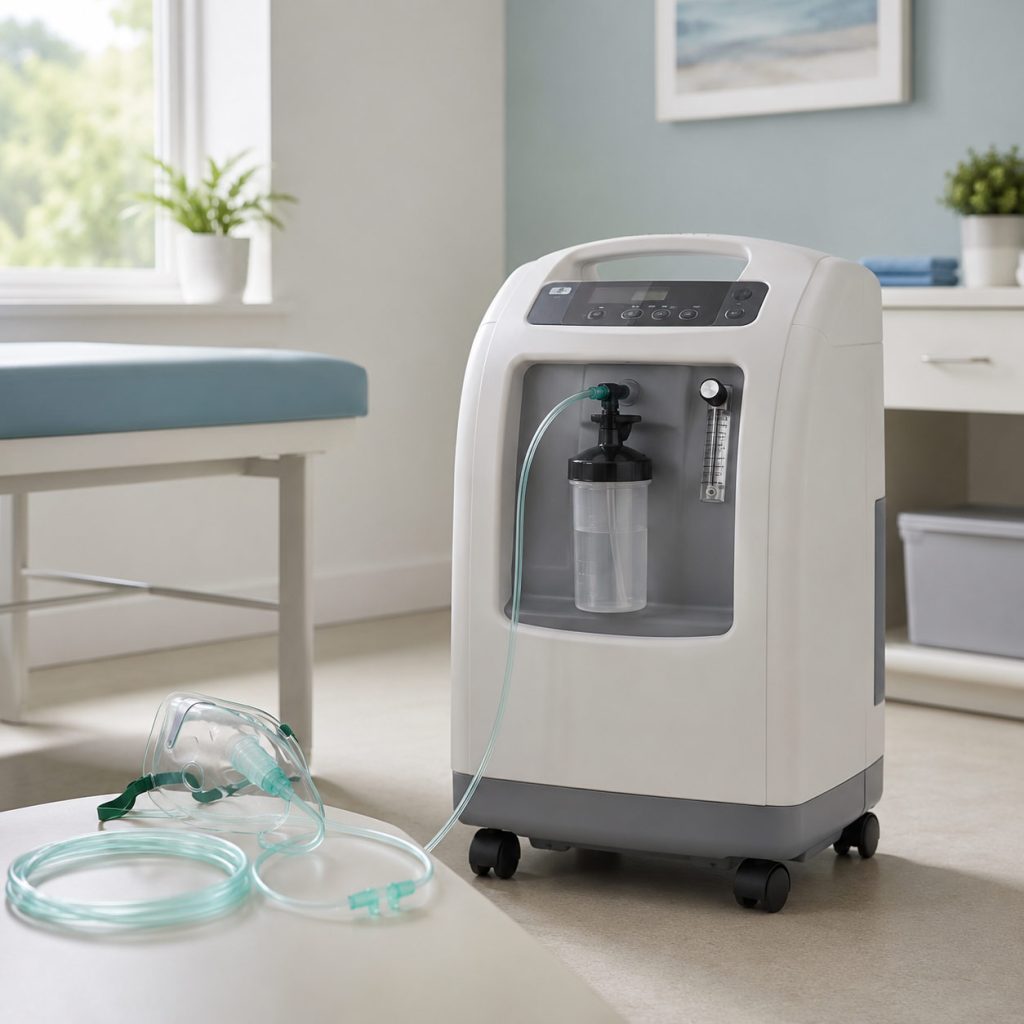
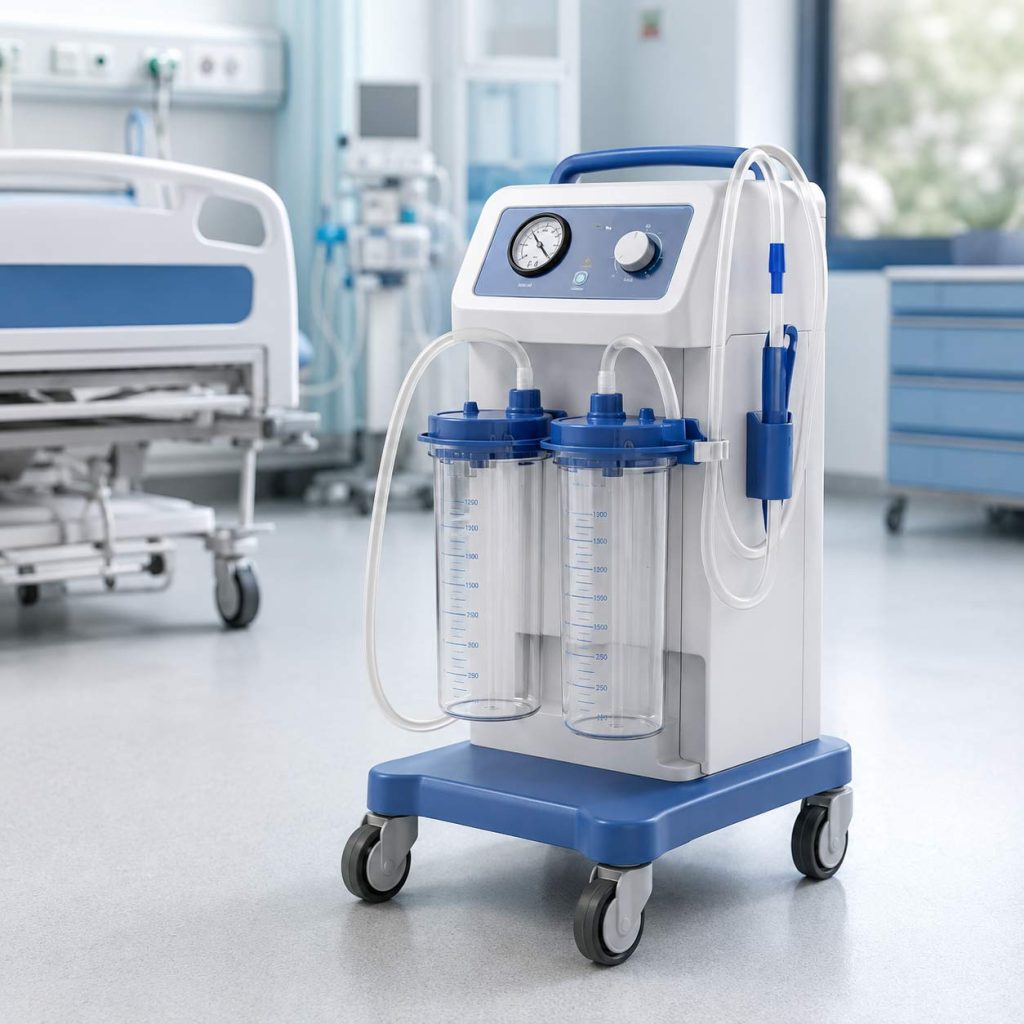
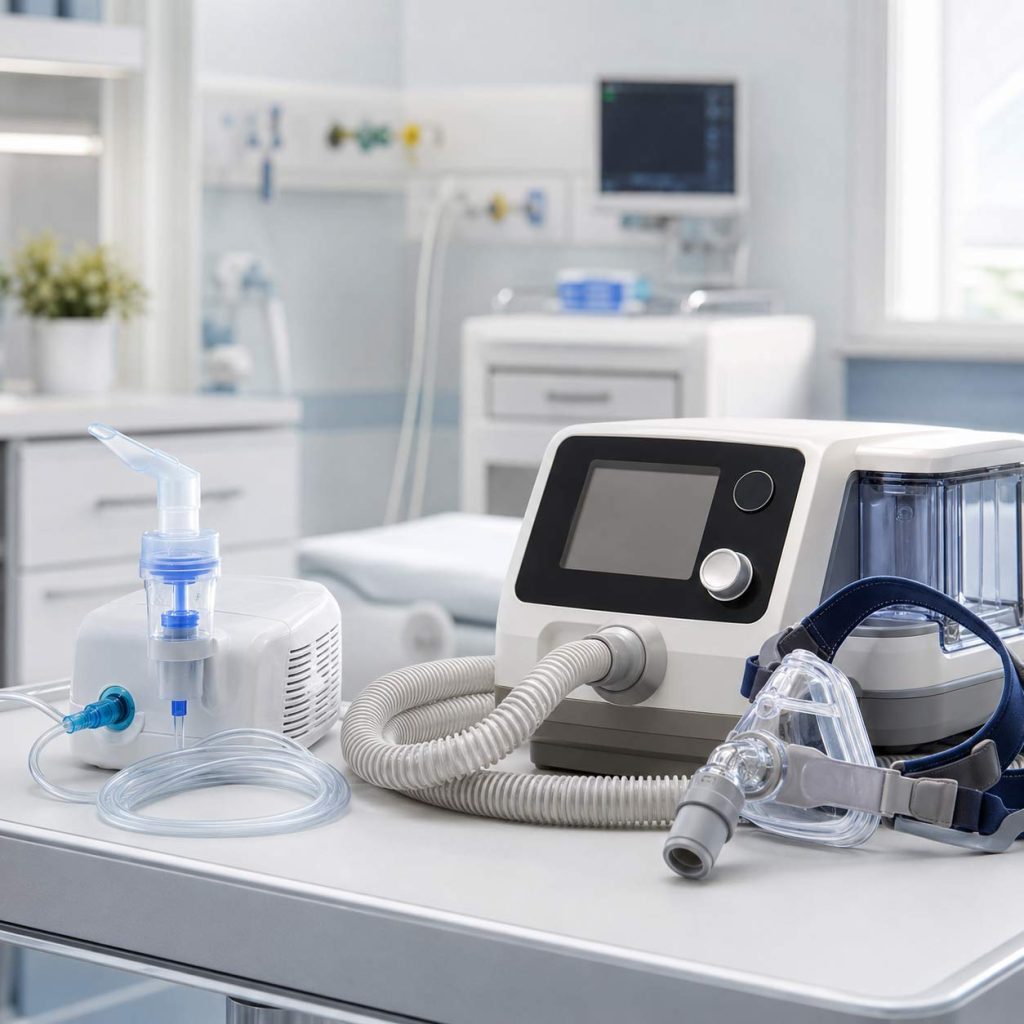
The range includes critical-care and transport ventilators, oxygen concentrators, CPAP and BiPAP systems, nebulizers, suction machines, humidification devices, breathing circuits, masks, and related accessories. Configurations vary by ventilation mode, oxygen-output capacity, patient category, mobility, alarm functions, battery operation, and intended care environment.
Selecting Respiratory Equipment
Confirm the intended clinical application, patient group, required respiratory-support mode, oxygen or airflow capacity, and monitoring functions. Buyers should also review alarm settings, battery runtime, gas-source requirements, humidification, circuit and interface compatibility, cleaning procedures, power supply, consumables, and included accessories.
Showing all 9 results
- View Details
- View Details
- View Details
- View Details
- View Details
- View Details
- View Details
-
View DetailsRespiratory Equipment
Clinician’s Favorite Breathing Ventilator with Air Compressor for ICU Use
Read more -
View DetailsRespiratory Equipment
Economical Non-Invasive Respiratory Aid Ventilator with High-Performance
Read more


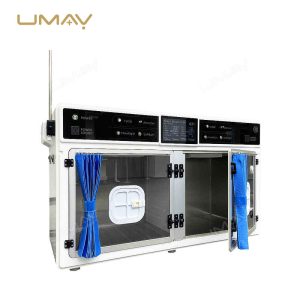

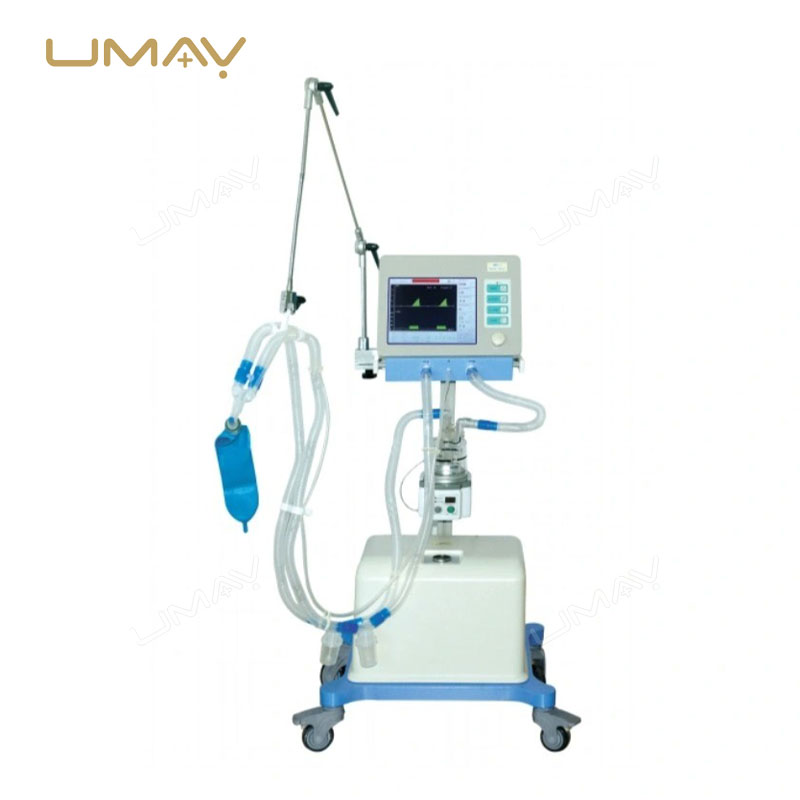
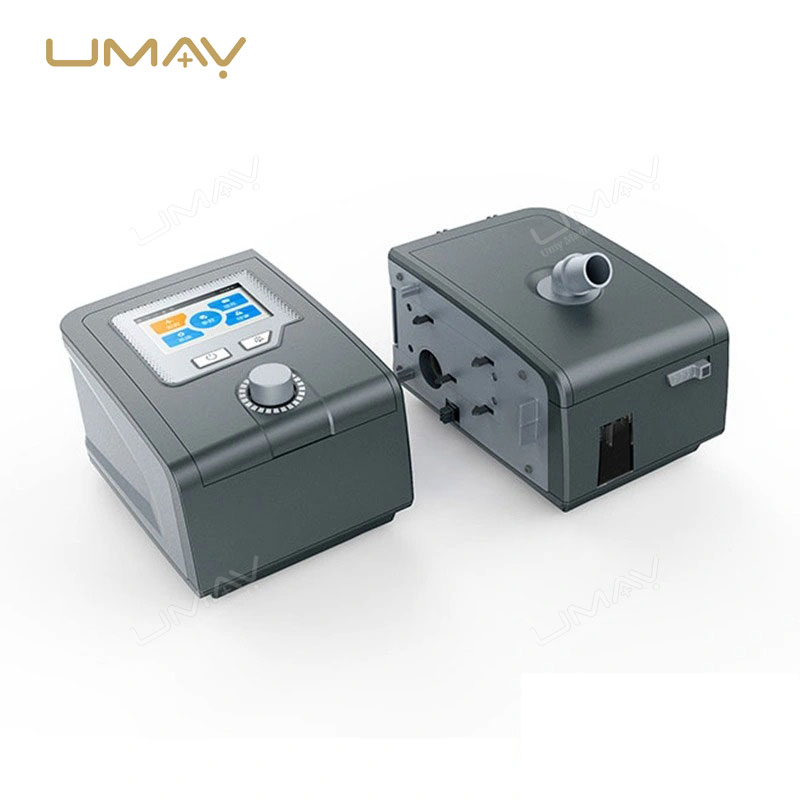
Respiratory Equipment Across Critical Care and Routine Therapy Workflows
Respiratory support ranges from invasive ventilation in intensive care and emergency departments to oxygen therapy, airway suction, nebulization, and non-invasive assistance in wards, clinics, and home-care settings. The required system depends on the patient’s condition, treatment duration, mobility, and level of monitoring.
Planning should consider ventilation or therapy mode, oxygen and airflow requirements, alarm functions, humidification, breathing-circuit compatibility, patient interface, secretion-management needs, cleaning procedures, consumables, and available power or gas sources.
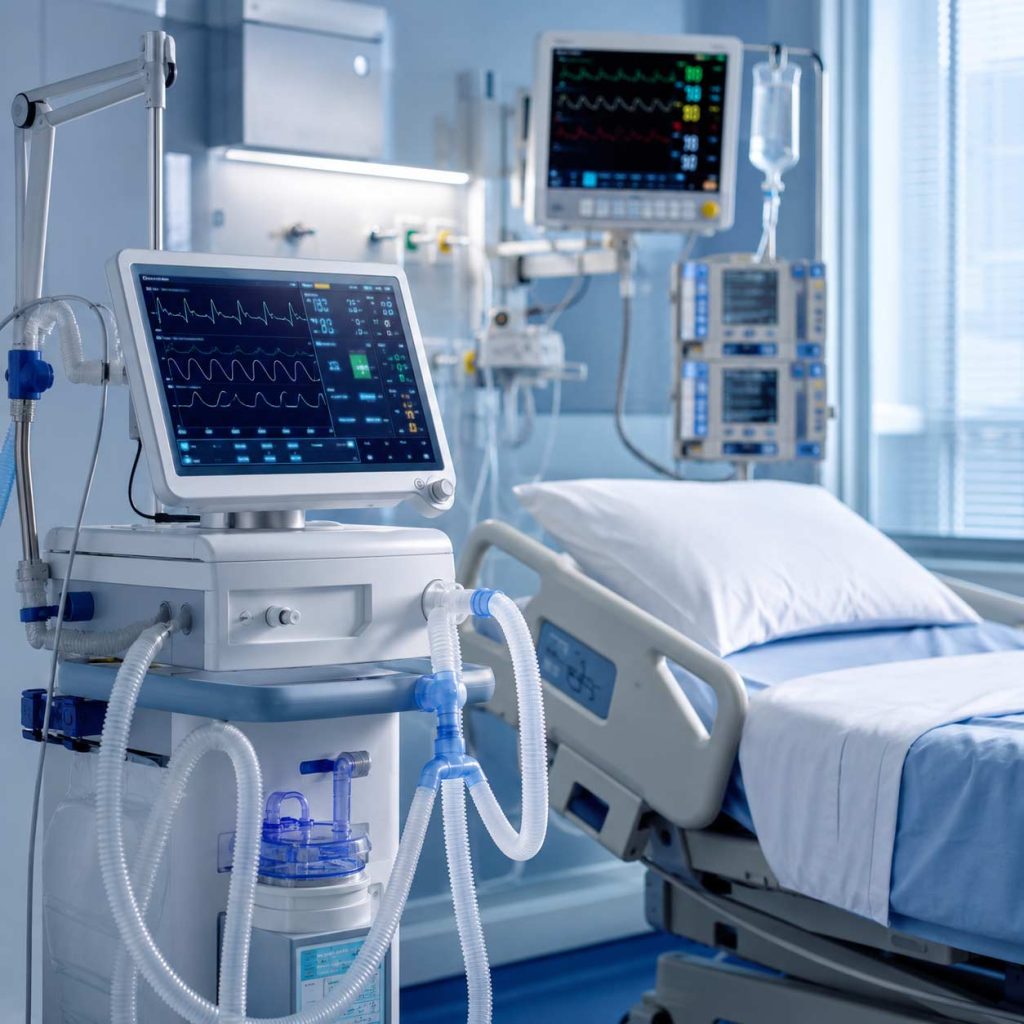
Respiratory Equipment FAQ