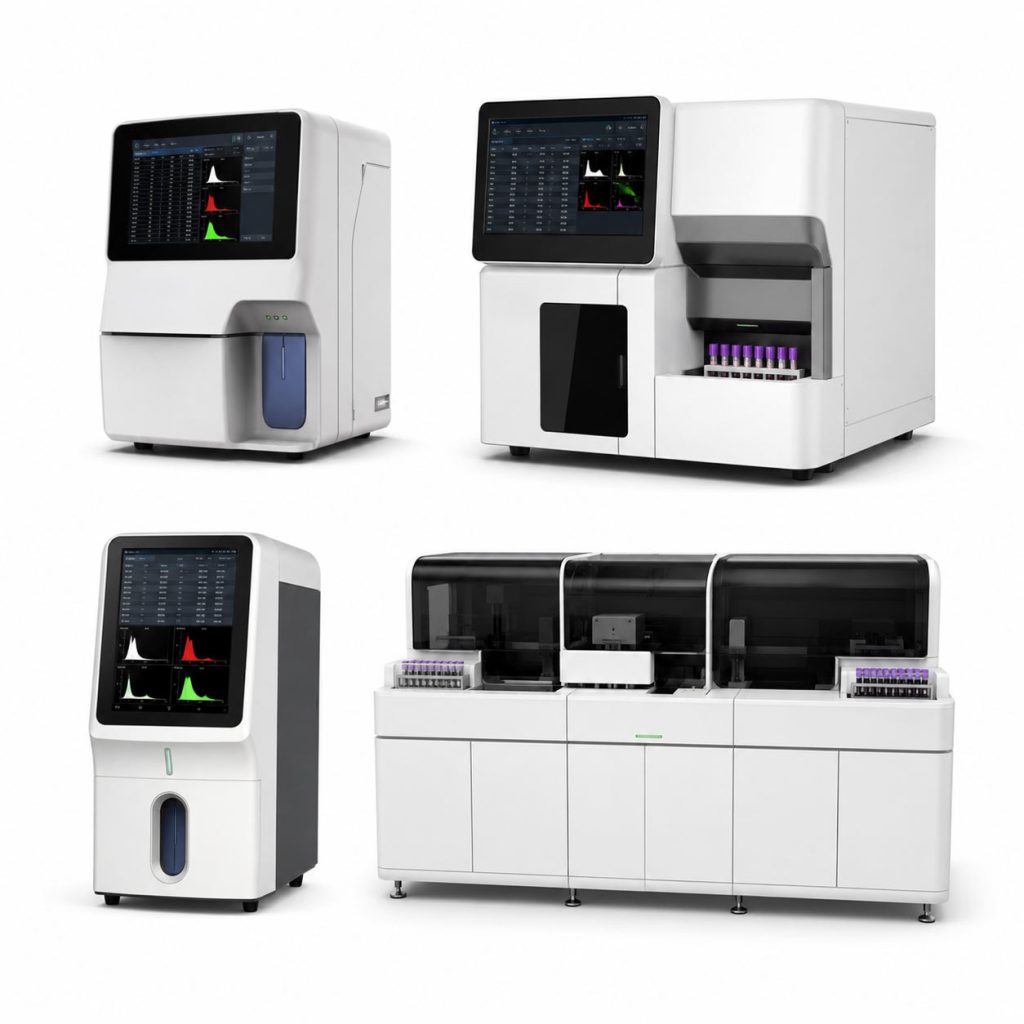
Hematology Analyzer
Hematology Analyzers for Routine Blood Cell Testing
UMY Medical supplies hematology analyzers for hospital laboratories, diagnostic centers, clinics, health screening facilities, and medical testing projects. Available systems can be selected according to CBC testing requirements, 3-part or 5-part differentiation, sample volume, daily workload, automation level, laboratory space, and workflow requirements.
Hematology Analyzers for Complete Blood Count Testing
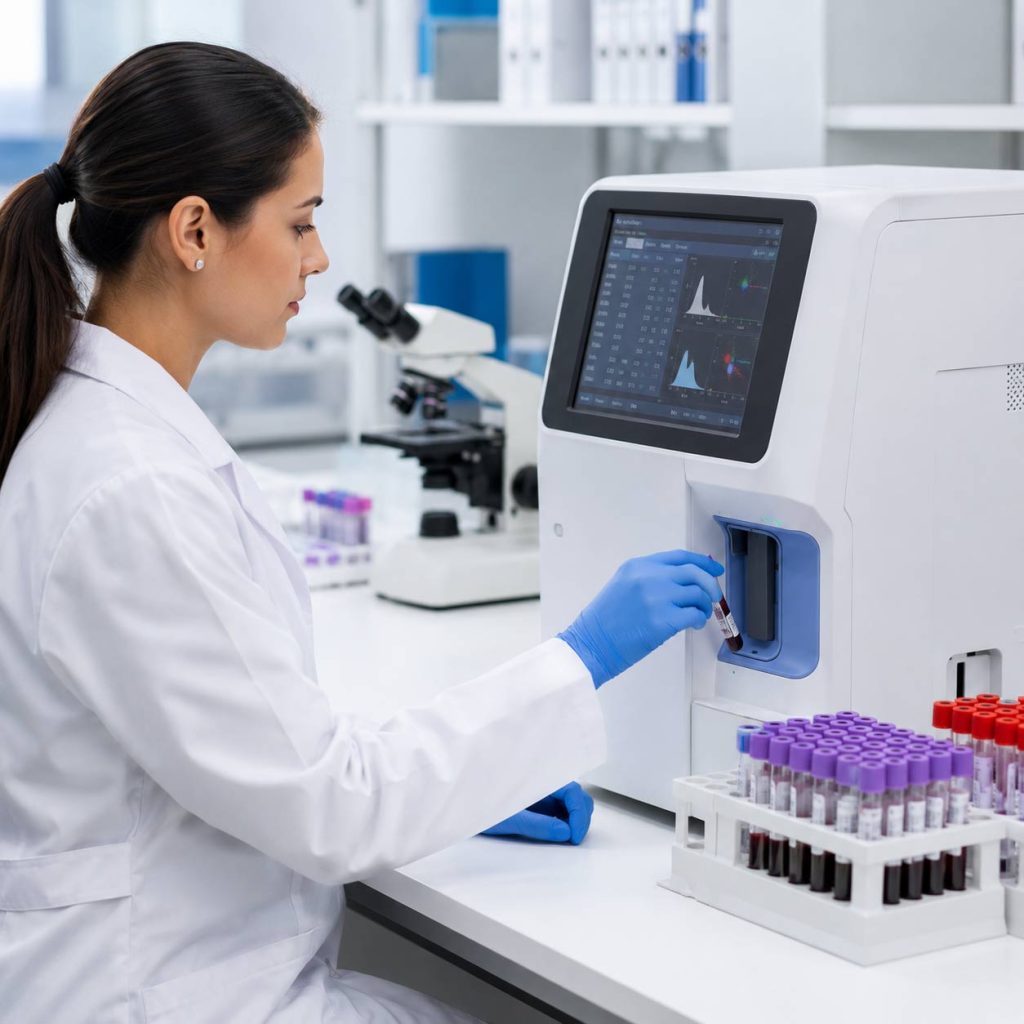
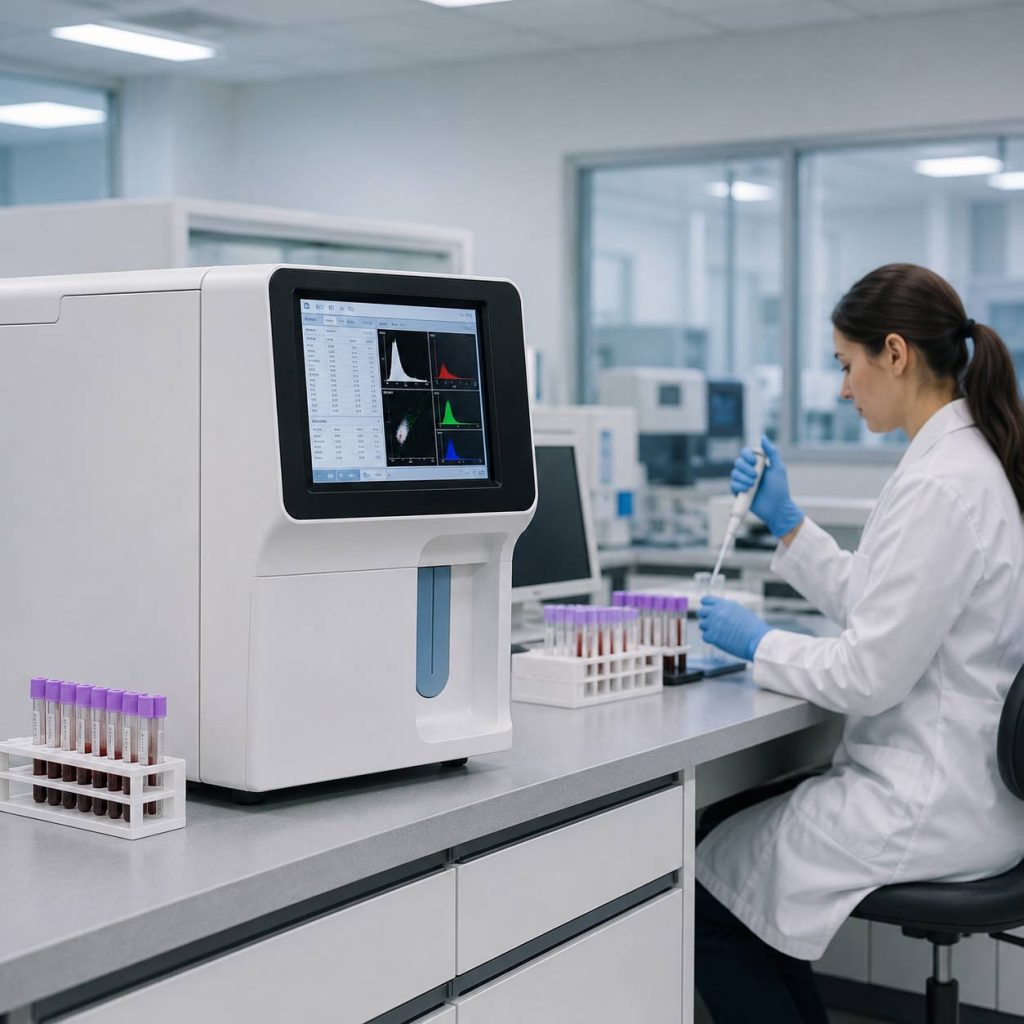
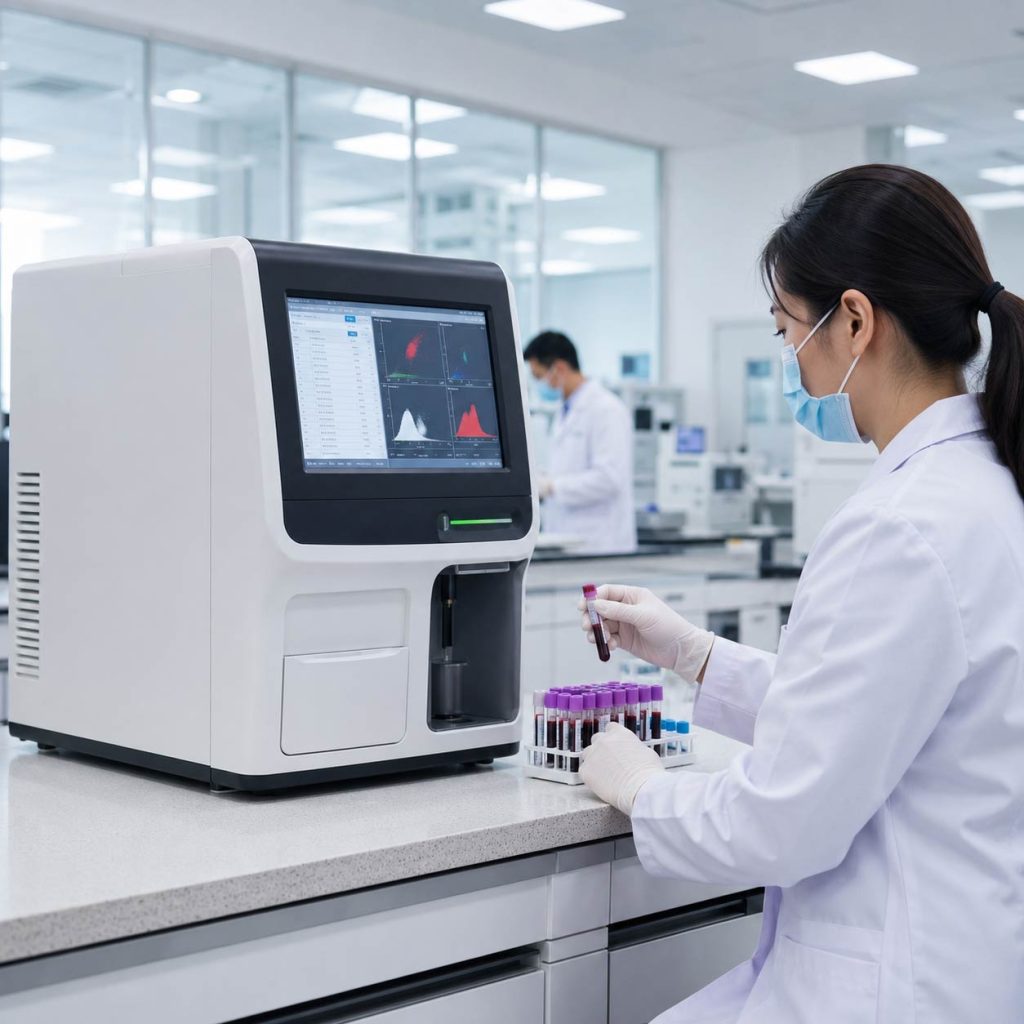
Hematology analyzers are used for complete blood count (CBC) testing and routine blood cell analysis in hospital laboratories, diagnostic centers, clinics, and health examination facilities. Depending on the system configuration, analyzers may measure red blood cells, white blood cells, hemoglobin, hematocrit, platelets, and related hematological parameters, with different models supporting 3-part or 5-part white blood cell differentiation.
Hematology Analyzer Product Range
The range may include 3-part hematology analyzers, 5-part hematology analyzers, compact systems for clinics and lower-volume laboratories, and higher-throughput configurations for routine hospital laboratory testing.
Selecting a Hematology Analyzer for Your Laboratory
Start with the required test parameters and laboratory workload. Buyers should confirm whether 3-part or 5-part differentiation is required, expected samples per day, peak testing volume, sample type and volume, throughput, manual or automatic loading, reagent requirements, calibration and quality-control procedures, and staffing workflow.
Showing all 7 results
- View Details
- View Details
-
View DetailsDiagnostic Equipment
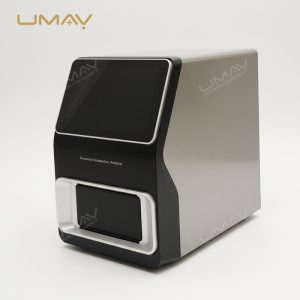
3-Part Automated Hematology Analyzer | Full-Auto CBC Blood Cell Counter
Read more - View Details
-
View DetailsDiagnostic Equipment
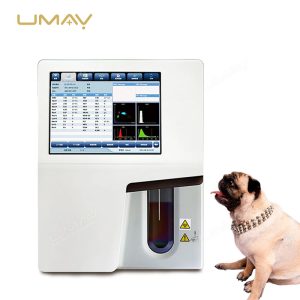
Auto Hematology Analyzer BC-5000 Vet 5-Part CBC Machine for Animals Use
Read more -
View DetailsDiagnostic Equipment
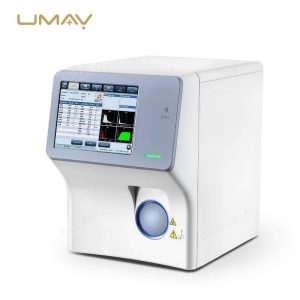
Veterinary Auto Hematology Analyzer BC-30 Vet with 4-Part Differential
Read more -
View DetailsDiagnostic Equipment
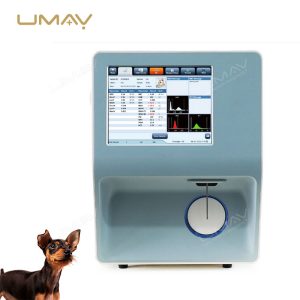
Veterinary Auto Hematology Analyzer BC-20 Vet CBC Machine 3-Part Differential
Read more
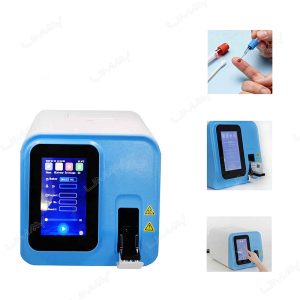
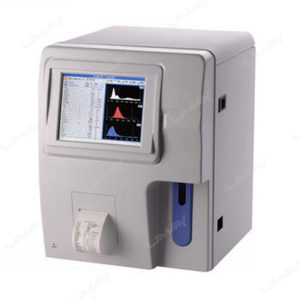
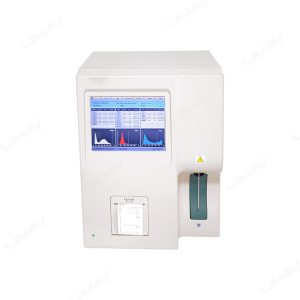
Hematology Analyzers Across Clinical Laboratory Workflows
Hematology analyzers support routine CBC testing and blood cell analysis in hospital laboratories, diagnostic centers, outpatient laboratories, clinics, and health screening programs. The appropriate system depends on required parameters, white blood cell differentiation, sample volume, throughput, automation level, and daily laboratory workload.
Laboratory workflow planning should consider sample collection and identification, analyzer loading, reagent management, calibration and quality control, result review, abnormal-sample handling, data transfer, consumable replacement, waste management, cleaning, maintenance access, and peak-hour testing volume.

Hematology Analyzer FAQ