An emergency department needs reliable equipment for resuscitation, patient monitoring, airway care and initial diagnosis. Defibrillators, patient monitors, suction units, oxygen supplies and emergency treatment carts are common priorities. Depending on the services offered, hospitals may also need ECG machines, infusion pumps, portable ultrasound and mobile X-ray.
The right equipment list depends on the number of treatment spaces, the patients the facility serves and the services already available elsewhere in the hospital. A small urgent-care clinic will not need the same setup as a 24-hour emergency department with dedicated resuscitation bays.
This checklist covers the main equipment categories, an example of how to calculate quantities, UMY Medical product options and the details to include when requesting a quotation.
1. Emergency Department Equipment Checklist
Start with equipment used in immediate assessment and resuscitation. Add diagnostic and advanced-care devices only when the clinical team can operate, maintain and support them. This distinction is particularly important for smaller clinics and newly established departments.
| Equipment | Main use | Purchasing consideration |
|---|---|---|
| Defibrillator or AED | Cardiac emergency response | Choose according to staff training, protocols and the number of emergency response areas. |
| Patient monitors | ECG, SpO2, blood pressure and other observations | Calculate by monitored positions, not by the total number of department beds. |
| Oxygen, airway equipment and suction | Airway management and respiratory support | Check existing wall outlets, backup oxygen, suction access and adult/pediatric accessories. |
| ECG machine | 12-lead electrocardiography | A shared unit may be adequate if it remains available when needed. |
| Infusion and syringe pumps | Controlled infusion of fluids or medications | Base quantities on simultaneous treatments, drug protocols and spare capacity. |
| Portable ultrasound | Bedside diagnostic imaging | Check probe selection, trained operators and access to shared hospital equipment. |
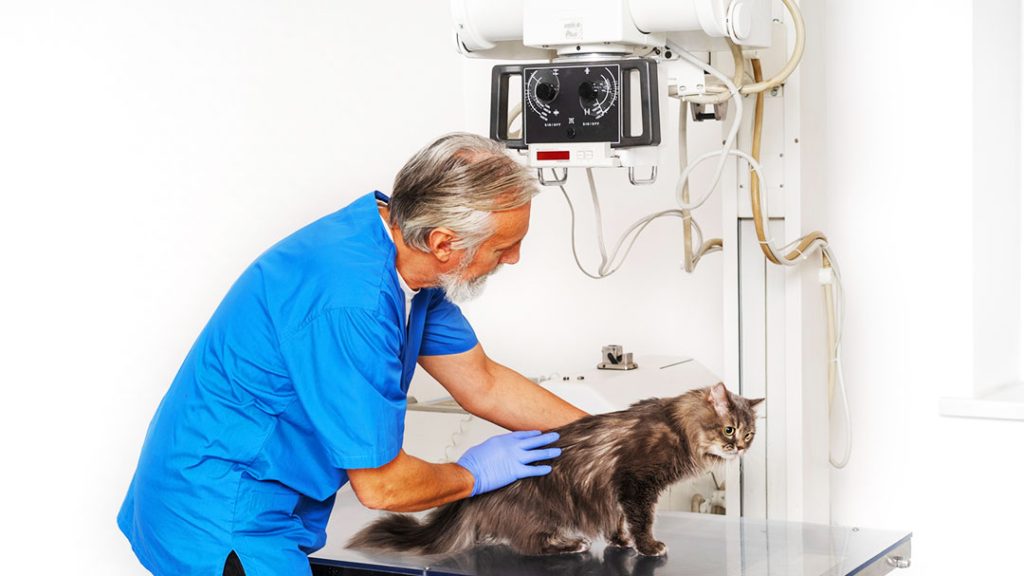
| Mobile X-ray | Radiography without transporting the patient to a fixed room | Assess actual bedside demand, radiation protection and radiology support. |
| Blood gas analyzer and ventilator | Advanced emergency and critical care | Only where the relevant service, staff and infrastructure are in place. |
Also budget for stretchers, emergency trolleys, examination beds, basic vital-sign devices, PPE, airway supplies, cannulas, dressings, consumables and spare parts. A machine-only quotation does not cover an entire emergency department.
2. Where Should the Equipment Be Placed?
A room-by-room checklist is easier to use than one long purchasing list. It also helps the hospital identify which devices need to be dedicated to a treatment area and which can be shared.
| Area | Suggested equipment |
|---|---|
| Triage | Blood pressure measurement, pulse oximeter, thermometer, basic examination supplies and access to additional monitoring when needed. |
| Resuscitation bays | Defibrillation, multiparameter monitoring, oxygen, airway supplies, suction, manual resuscitator, emergency trolley and infusion equipment. |
| Treatment rooms | Examination bed, portable vital-sign equipment, procedure lighting, wound-care supplies and access to ECG. |
| Monitored observation | Patient monitor at each designated continuously monitored position, plus suitable infusion, oxygen and suction access. |
| Shared diagnostic resources | ECG, ultrasound, mobile X-ray and laboratory testing where the department has the required service and staffing. |
In a smaller facility, several functions may share a room. Larger hospitals may separate them. The priority is rapid access to the right equipment when staff need it, rather than placing every device in every room.
3. Example Equipment Quantities for a Six-Position Department
Consider a hospital planning two resuscitation bays and four continuously monitored observation positions. One possible starting list is shown below. The numbers are illustrative and must be checked against local requirements, staffing, service scope and equipment availability.
| Item | Example quantity | What to confirm |
|---|---|---|
| Multiparameter patient monitors | 6 | One per monitored position in this example; check sensors, alarms and central-station needs. |
| Defibrillator monitor | 1 for initial review | Confirm access time, simultaneous emergencies and backup requirements. More may be needed. |
| Portable suction units | 2 if no suitable wall suction exists | One for each resuscitation bay under this assumption. |
| 12-lead ECG machine | 1 shared | Review expected workload and access to other hospital ECG machines. |
| Manual resuscitation sets | Available at both resuscitation bays | Include the required adult and pediatric sizes. |
| Infusion and syringe pumps | Based on treatment workload | Estimate how many patients may need pump-controlled therapy at the same time. |
| Portable ultrasound and mobile X-ray | Shared or dedicated | Decide whether the radiology department can meet emergency response needs. |
The example is a purchasing worksheet, not a clinical equipment ratio or minimum standard. Department leadership and biomedical engineering should approve the final allocation.
4. UMY Medical Equipment Options for Emergency Departments
These models are listed in the UMY Medical catalog. Use the descriptions below to shortlist equipment; confirm the final specifications, included accessories and documents for each model before ordering.
Defibrillators: UMH-8000D and UMH-5S

UMH-8000D Defibrillator Monitor combines defibrillation with patient monitoring functions and is an option for staffed resuscitation areas. The UMH-5S AED is a separate option for locations that need an automated defibrillator.
Ask about: manual/AED operating modes, battery backup, adult and pediatric accessories, consumables and user training.
Patient monitors: UMPM020 and UMPM015
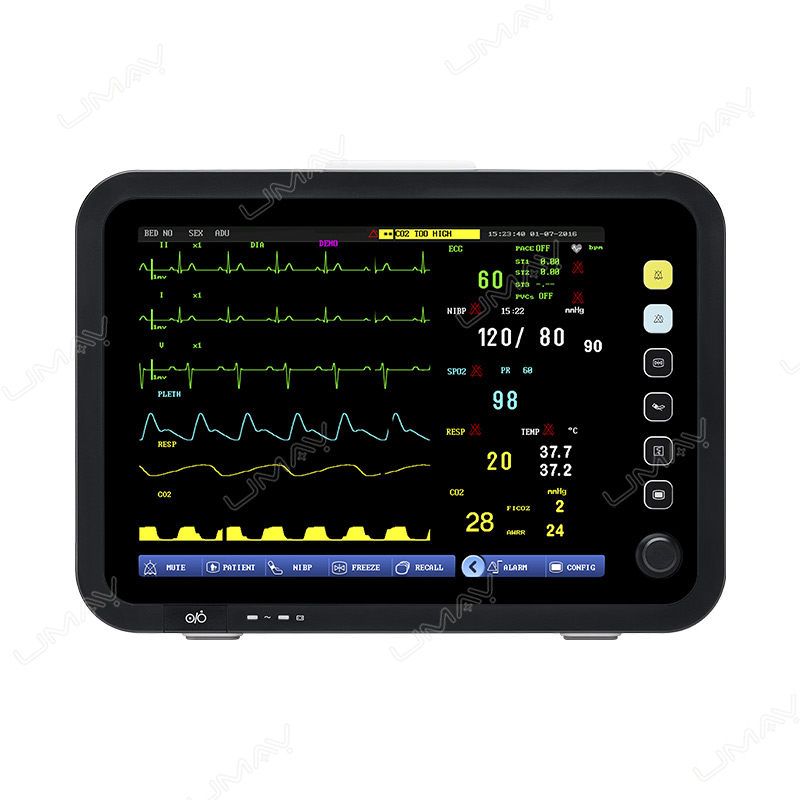
The UMPM020 supports routine vital-sign monitoring including ECG, SpO2, non-invasive blood pressure, respiration and temperature. The UMPM015 is a compact alternative for appropriate bedside or transfer use.
Ask about: patient groups, sensor sets, optional parameters, alarm functions and network integration.
Suction and airway supplies: UMESM001
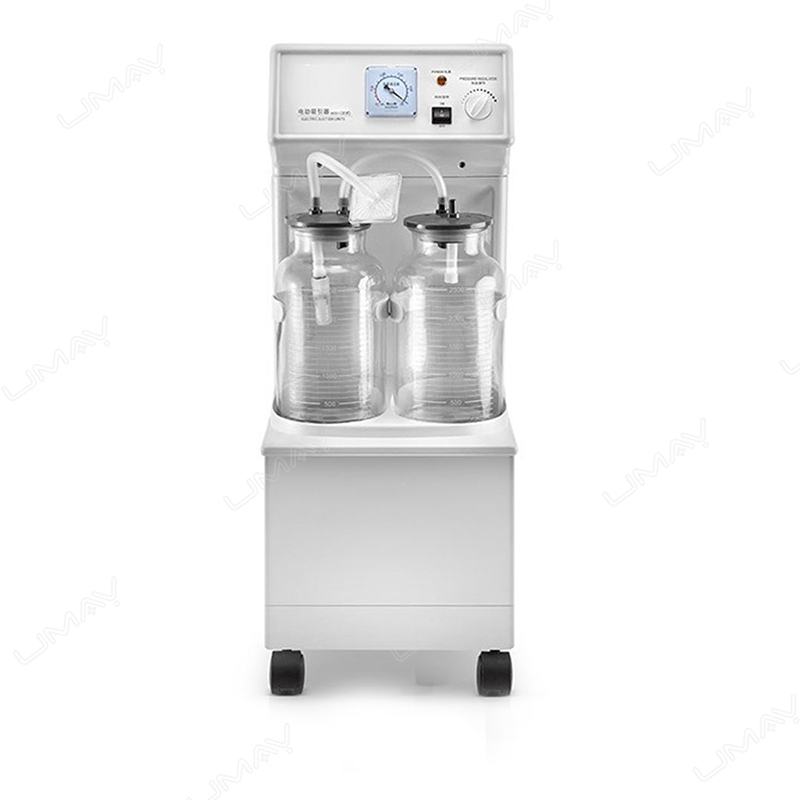
The UMESM001 Electric Suction Unit is equipped with two 2,500 mL collection reservoirs and can be considered where portable electric suction is required. UMY also lists R30/R31/R32 manual resuscitators for different patient groups.
Ask about: tubing, collection jars, filters, spare components and available oxygen/airway infrastructure.
ECG and medication delivery
For 12-lead ECG recording, see the UMH-3312 ECG Machine. The UMH-V5 Infusion Pump and UMSP005 Syringe Pump are options for treatment areas using controlled infusions. Match pump quantities and accessories to the medications, IV sets and syringe sizes used by the hospital.
Bedside imaging: UMUS031 and UMDRXY004
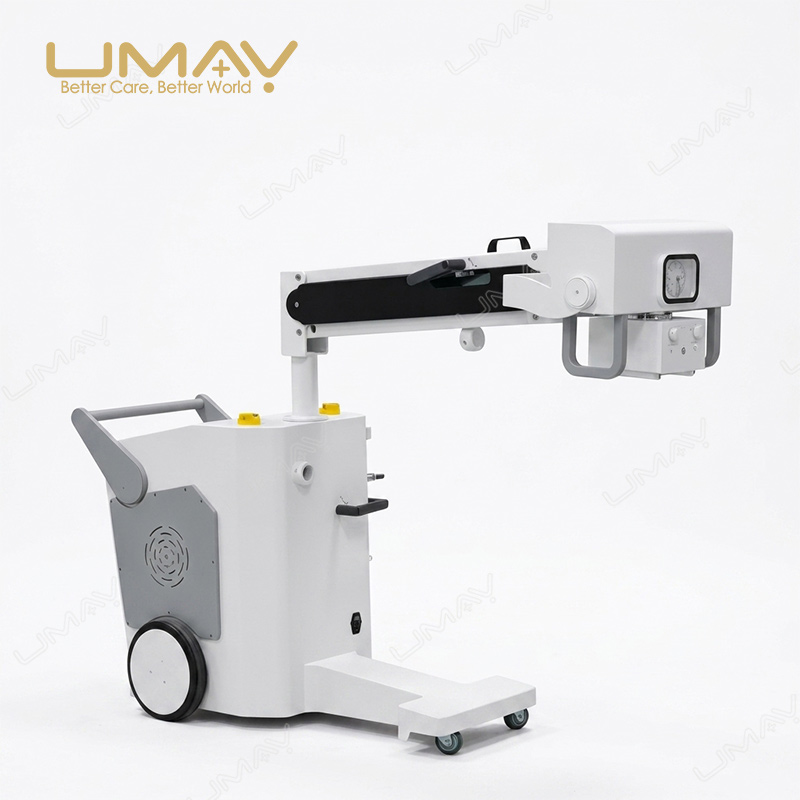
The UMDRXY004 Mobile Digital X-Ray is designed for hospital bedside radiography, with 32 kW and 50 kW generator configurations. The UMUS031 Portable Color Doppler Ultrasound may be considered for examinations supported by its selected probes and imaging options.
Ask about: detector and workstation configuration, imaging probes, hospital IT compatibility, operator training and whether the machines will be shared with radiology.
For advanced emergency services
Hospitals with the appropriate clinical and technical capability can also review the UMALZ030 Blood Gas Analyzer and UMHV001 ICU Ventilator. These are not routine purchases for every small clinic. Staffing, medical gases, power, maintenance, consumables and applicable requirements must be considered first.
5. Which Equipment Package Fits Your Facility?
Small clinic or urgent-care center
Prioritize initial assessment, access to oxygen and suction, a suitable defibrillator or AED, manual resuscitation equipment and an emergency transfer plan. A mobile X-ray system or ICU ventilator may not be necessary if those services are provided elsewhere.
General hospital with a 24-hour emergency department
Plan equipment around resuscitation bays and monitored observation spaces. Calculate the number of monitors, arrange defibrillation and suction access, and confirm 24-hour ECG, laboratory and imaging support. Infusion pumps and additional bedside equipment depend on the hospital’s case load.
Referral hospital or trauma center
Review requirements for multiple critically ill patients, advanced airway care, continuous monitoring, diagnostic access and equipment backup. A larger system also needs sufficient staffing, clinical training, servicing and spare supplies—not just more machines.
6. What Should You Send When Requesting a Quotation?
A useful quotation should show exactly what is included with each machine. Send the supplier your equipment list, required quantities and destination, then ask for accessory details, supporting documents and clearly stated trade terms.
| Include in your RFQ | Example detail |
|---|---|
| Facility and location | 24-hour hospital emergency department; specify the destination country |
| Care positions | 2 resuscitation bays, 4 monitored observation positions |
| Equipment requested | Monitors, defibrillator monitor, suction units, ECG, infusion pumps |
| Patient population and configuration | Adult, pediatric or mixed; probes, cuffs, sensors, batteries and other accessories |
| Regulatory and tender documents | Specific registration, certificate or Free Sale Certificate (FSC) required by the buyer |
| Quotation and service terms | EXW / FOB / delivered quotation request; installation, training, warranty and spare parts |
The example above illustrates how an RFQ can be written; it is not an actual customer quotation or confirmed product configuration. Regulatory documents and delivery terms must be checked for each model and destination.
7. Frequently Asked Questions
Does every emergency bed need a patient monitor?
No. Continuous multiparameter monitoring is planned for designated monitored positions. Ordinary examination and treatment spaces may use other vital-sign equipment, depending on the services provided.
How many defibrillators should we purchase?
That depends on the size and layout of the department, response times, staffing, simultaneous emergencies and local requirements. Bed count alone cannot determine a safe quantity.
Should our emergency department have its own ultrasound or X-ray machine?
Not always. Some hospitals share mobile imaging equipment with radiology. The decision depends on whether the equipment and qualified operators can be available when emergency patients need them.
Can we request one quotation for different emergency devices?
Yes. Send UMY Medical the equipment categories, quantities, destination country and requested specifications. The team can review catalog options and the requested configuration before preparing an itemized offer.
Can UMY provide FOB prices and certification documents?
State your preferred trade terms and required documents in the inquiry. Prices, document availability and local regulatory suitability need to be confirmed separately for each model.
Request an Emergency Department Equipment Quotation
Send us your equipment list, facility location and planned number of resuscitation and monitored beds. UMY Medical can help review suitable catalog models and the information needed for a detailed quotation.
For emergency care planning, refer to the WHO Emergency Care Toolkit and the WHO Interagency Integrated Triage Tool. Final equipment selection and allocation should be approved by the facility’s clinical and biomedical engineering teams.