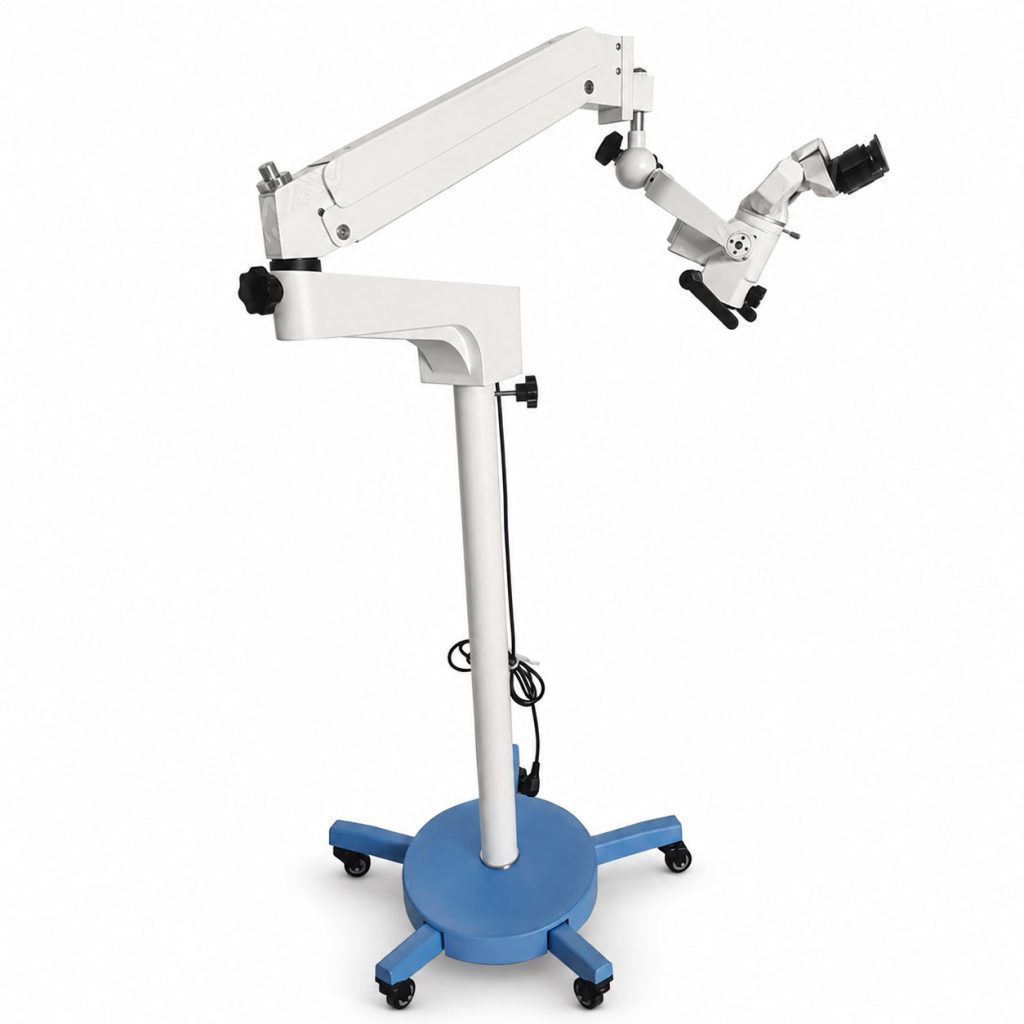
Surgical Microscope
UMY Medical supplies surgical microscopes for ENT, ophthalmology, neurosurgery, dental and other microsurgical applications. Available configurations can be selected according to clinical specialty, magnification requirements, working distance, illumination, mounting method, observation setup, and operating-room workflow.
Surgical Microscopes for Microsurgical and Clinical Procedures
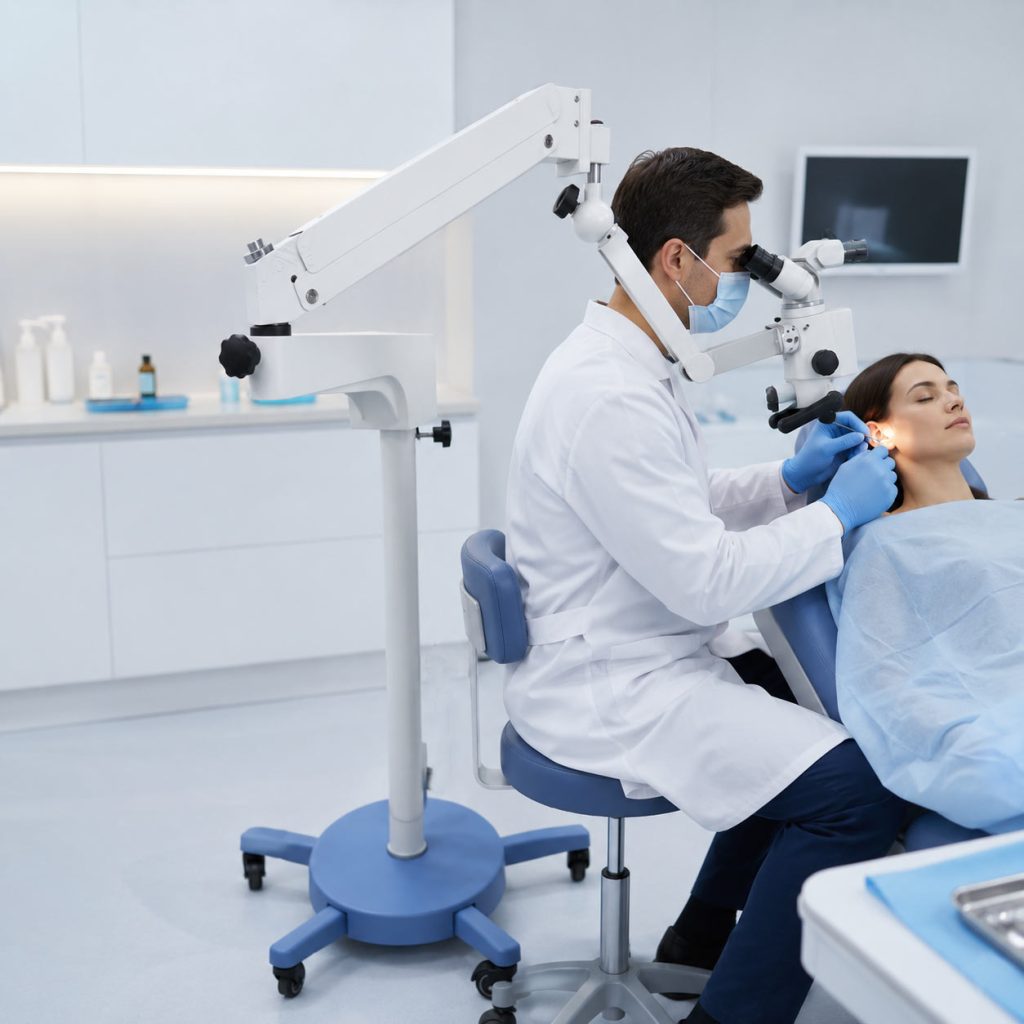
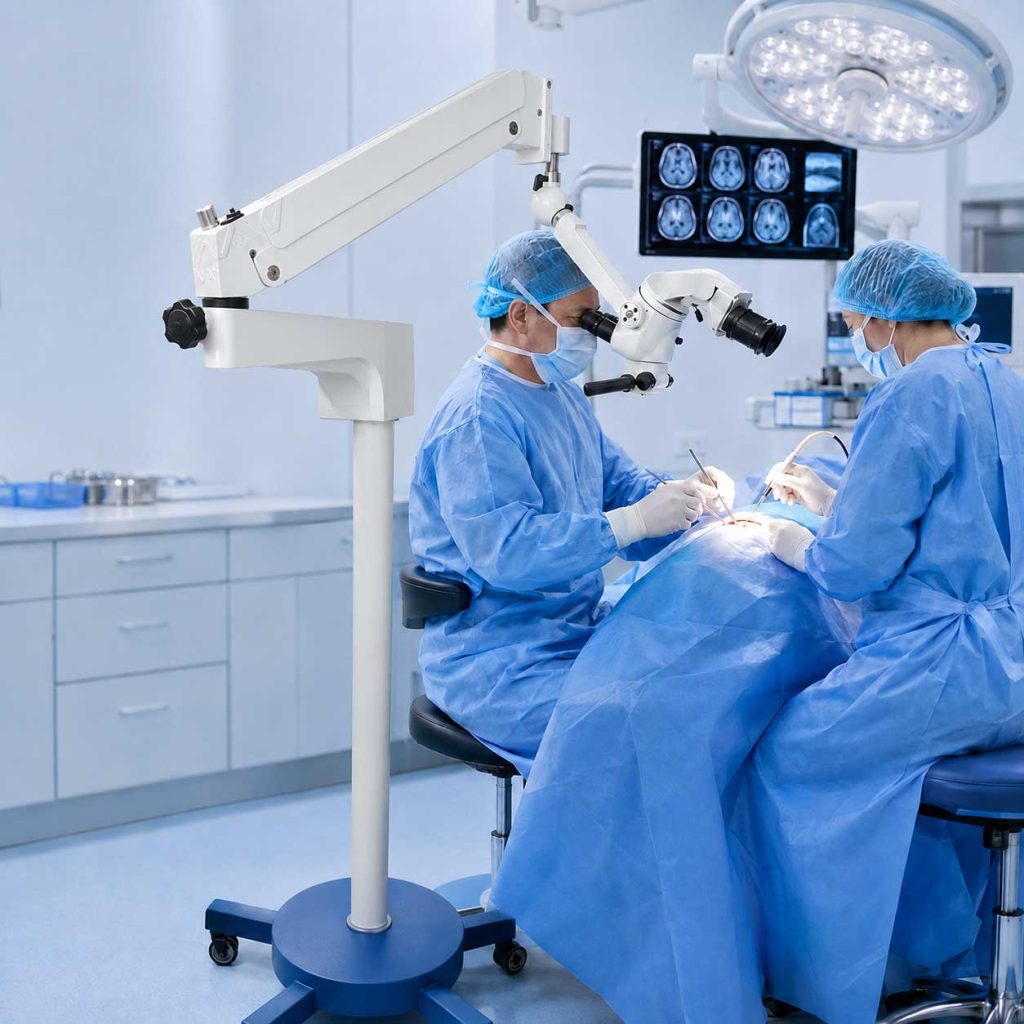
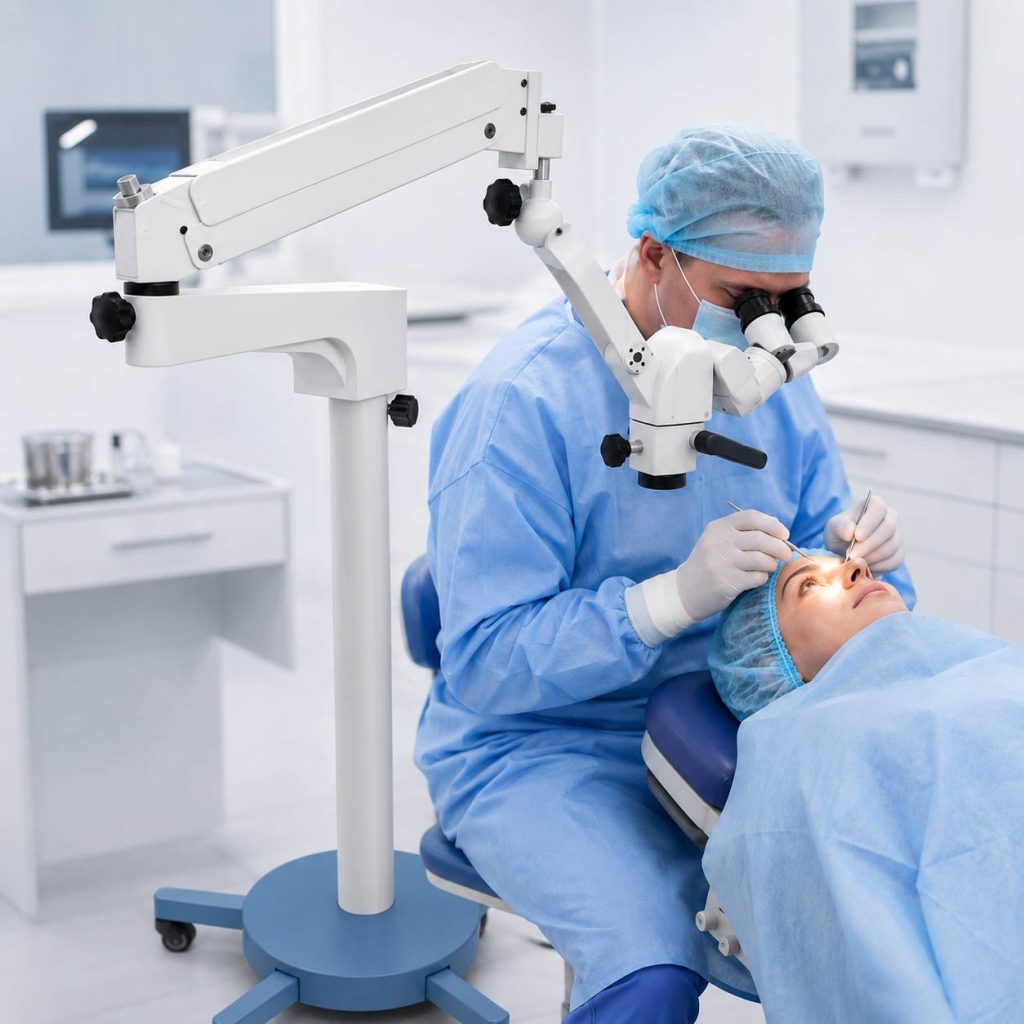
Surgical microscopes provide magnified visualization during procedures that require detailed observation of small anatomical structures. Depending on the configuration, systems may be used in ENT, ophthalmic, neurosurgical, dental, and other microsurgical workflows.
Surgical Microscope Product Range
he range may include floor-standing surgical microscopes, mobile operating microscopes, and specialty configurations for ENT, ophthalmology, neurosurgery, selected dental procedures, and other microsurgical applications.
Product differences may include magnification method, objective focal length, working distance, binocular or assistant viewing options, illumination type, filter functions, camera connection, monitor or recording options, balancing mechanism, arm reach, base design, and included accessories.
Selecting a Surgical Microscope
Confirm the intended clinical specialty and procedure type first. ENT, ophthalmic, neurosurgical, and dental applications may require different magnification ranges, working distances, optical configurations, illumination, accessories, and positioning arrangements.
Buyers should also review objective lens options, eyepiece configuration, assistant scope requirements, camera or video output, monitor integration, microscope-arm movement, floor-standing or mounted configuration, sterilizable handles, drape compatibility, power supply, room layout, training, and maintenance access.
Showing all 4 results

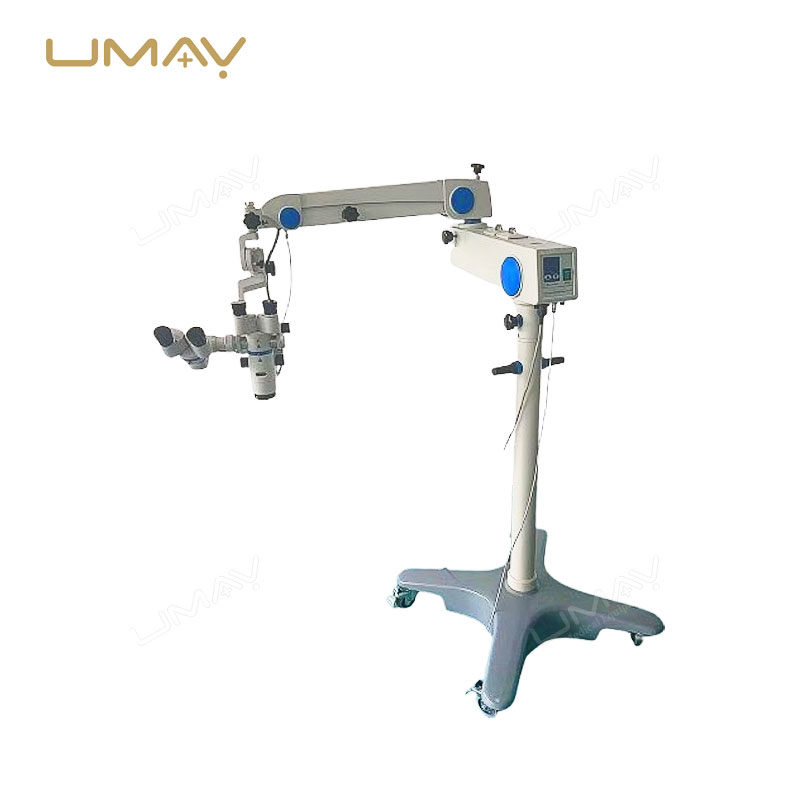
Surgical Microscope Applications Across Microsurgical Workflows
Surgical microscopes are used in ENT procedures, ophthalmic surgery, neurosurgical procedures, selected dental microsurgery, and other clinical applications where magnified visualization and controlled microscope positioning are required. The appropriate configuration depends on the procedure, anatomy, working distance, magnification, and operator setup.

Surgical Microscope FAQ