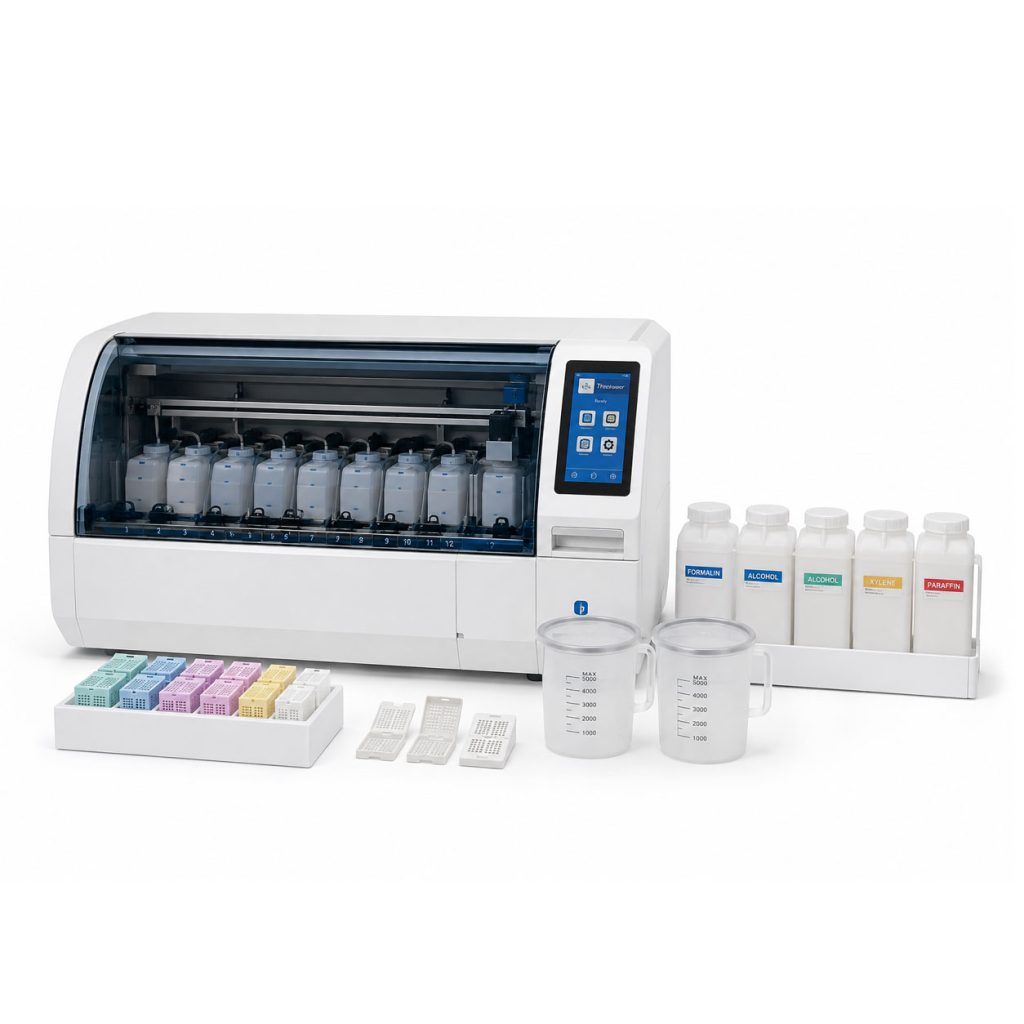
Tissue Processors
Tissue processors automate dehydration, clearing, and paraffin infiltration of fixed tissue specimens before embedding. Configurations can be selected according to cassette capacity, processing method, reagent management, cycle requirements, and daily histology workload.
Tissue Processors for Dehydration, Clearing, and Paraffin Infiltration
UMY Medical supplies tissue processors for pathology and histology laboratories. These systems automate the controlled dehydration, clearing, and paraffin infiltration of fixed tissue specimens before embedding, helping laboratories standardize processing cycles and reduce repetitive manual handling.
Tissue Processor Product Range
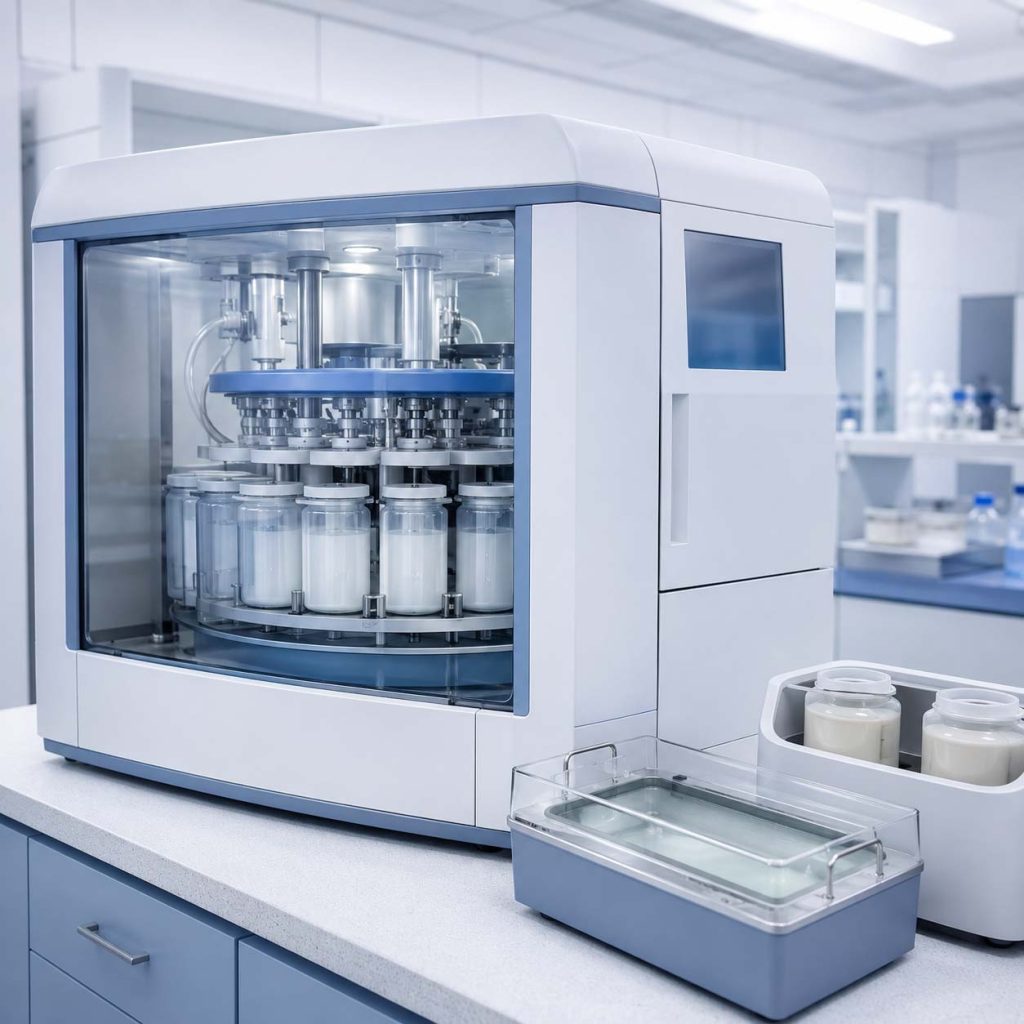
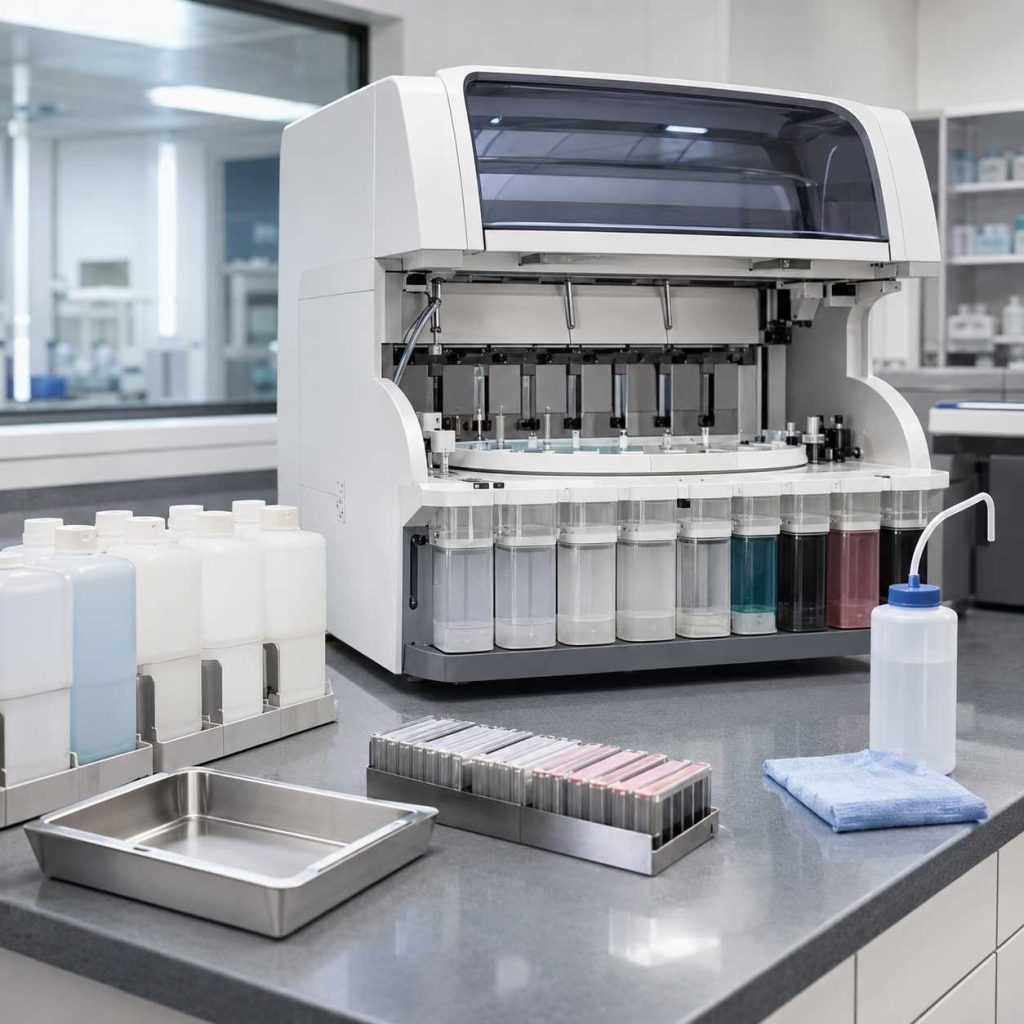
The range includes carousel tissue processors and enclosed retort-based tissue processors for different cassette volumes and laboratory workloads. Configurations vary by cassette capacity, processing stations, reagent containers, paraffin baths, heating functions, vacuum or pressure assistance where applicable, programmable protocols, and reagent-management features.
Selecting a Tissue Processor
Confirm the specimen types, daily cassette volume, required processing time, and preferred carousel or enclosed-retort configuration. Buyers should also review cassette capacity, reagent and paraffin stations, processing protocols, heating functions, vacuum or pressure assistance, reagent-management options, fume control, cleaning programs, installation space, and power requirements.
Showing the single result
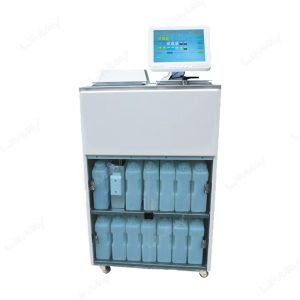
Tissue Processors Across Routine Histology Workflows
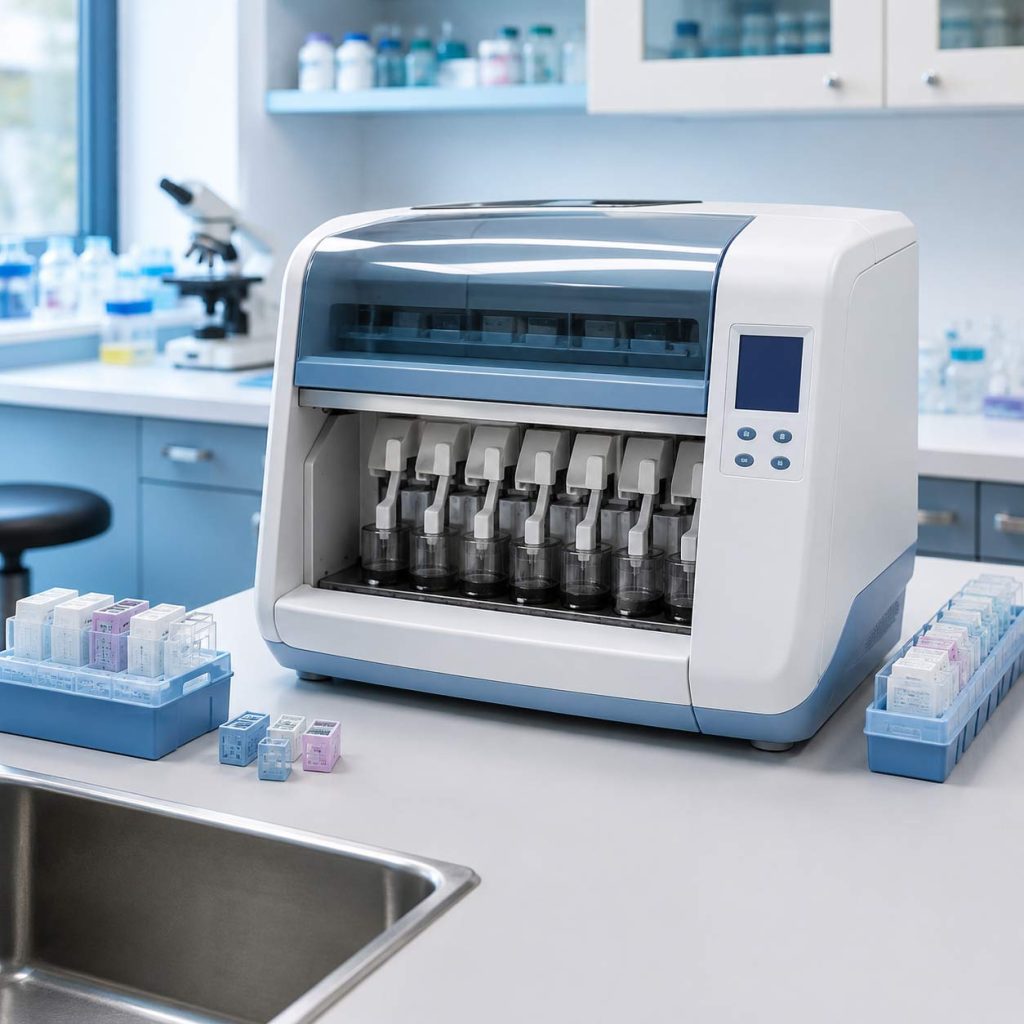
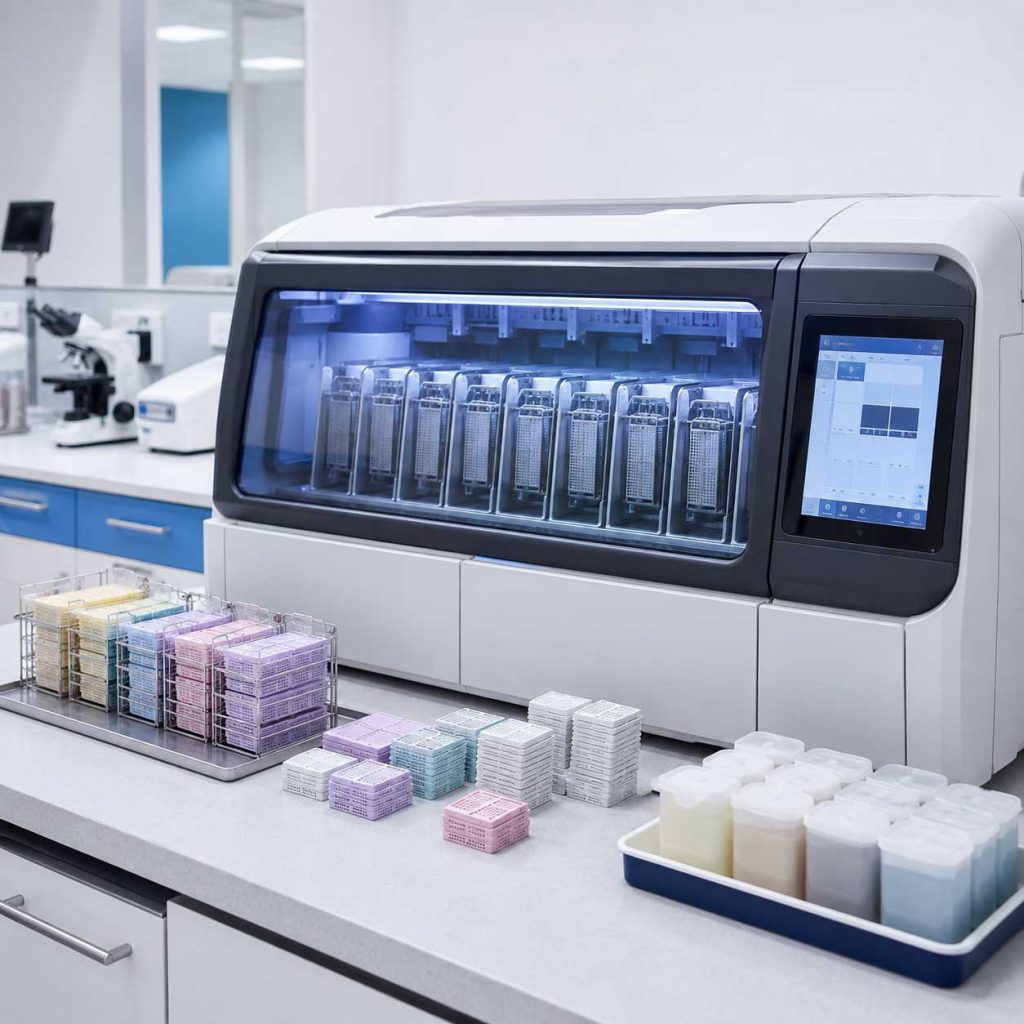
Tissue processors automate dehydration, clearing, and paraffin infiltration of fixed tissue specimens before embedding and sectioning. They are used in pathology and histology laboratories to process biopsy specimens, surgical tissue, and other cassette-based samples through controlled reagent exposure and programmed processing cycles.
System selection should match specimen type, daily cassette volume, required turnaround time, processing method, and laboratory workflow. Buyers should also confirm cassette capacity, reagent stations, paraffin baths, vacuum or pressure functions where applicable, fume control, cleaning programs, and reagent-management requirements.
Tissue Processors FAQ