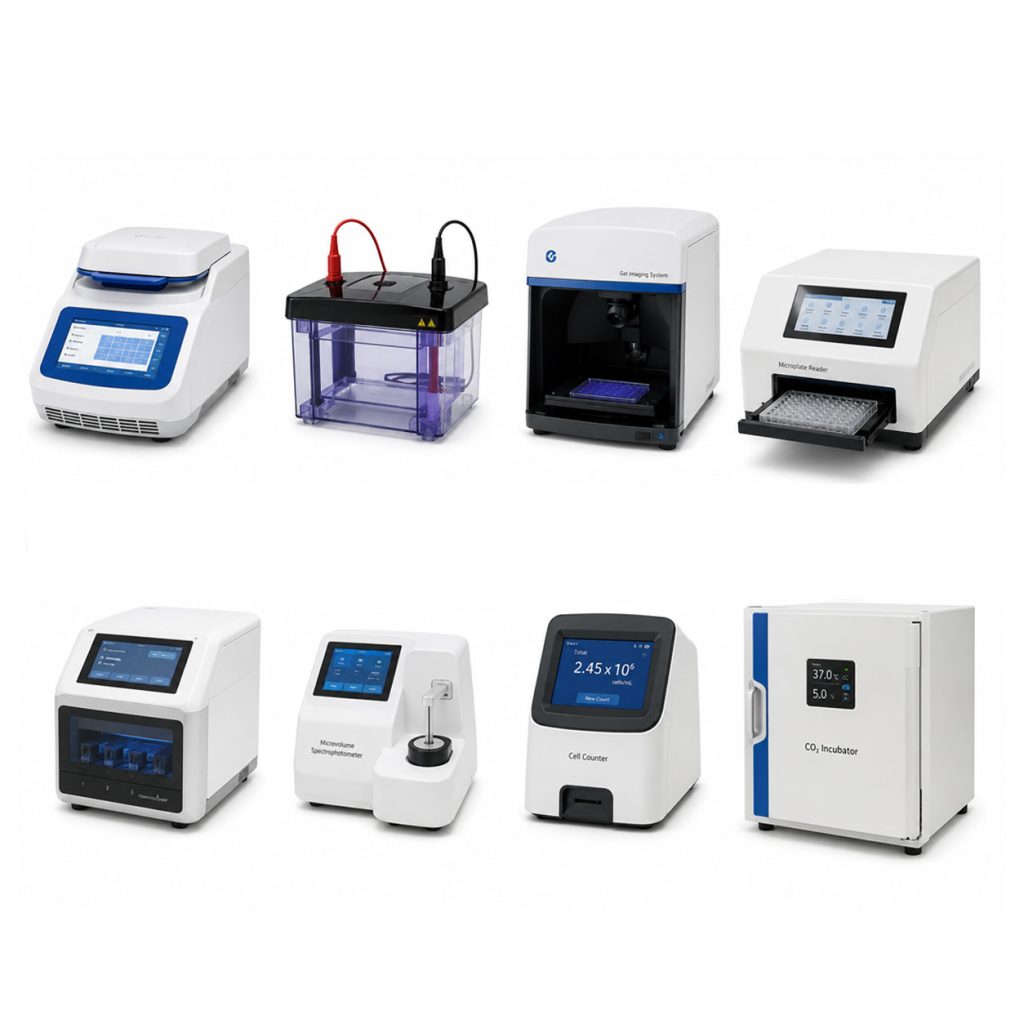
Life Science Equipment
UMY Medical supplies life science instruments for molecular biology, cell research, biotechnology, and laboratory education. The range supports nucleic acid preparation, amplification, separation, detection, imaging, quantitative analysis, and controlled cell culture.
Life Science Equipment for Molecular, Cellular, and Analytical Research
Life science laboratories use specialized instruments for sample preparation, amplification, separation, detection, quantification, imaging, and cell culture. Equipment configurations can be selected according to the experimental method, sample type, required throughput, detection sensitivity, automation level, software functions, and laboratory environment.
Life Science Equipment Product Range
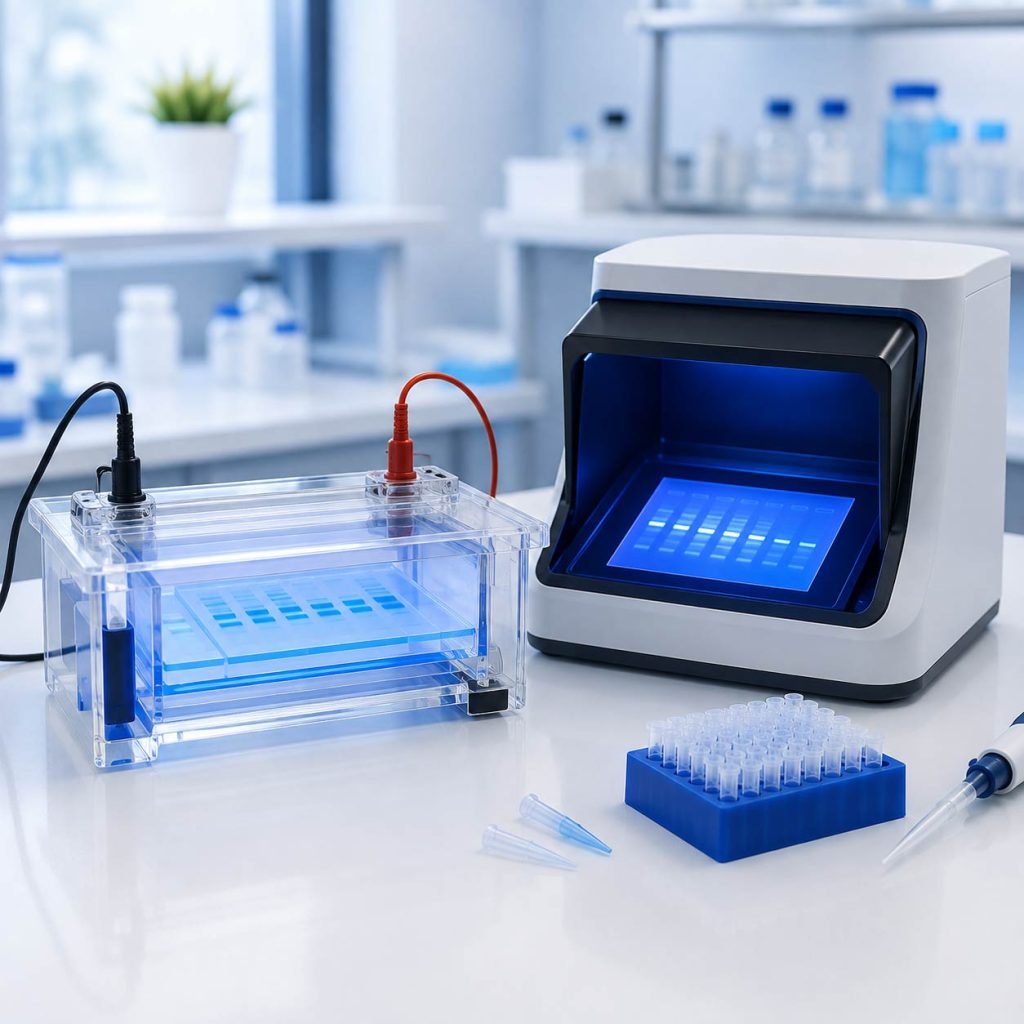
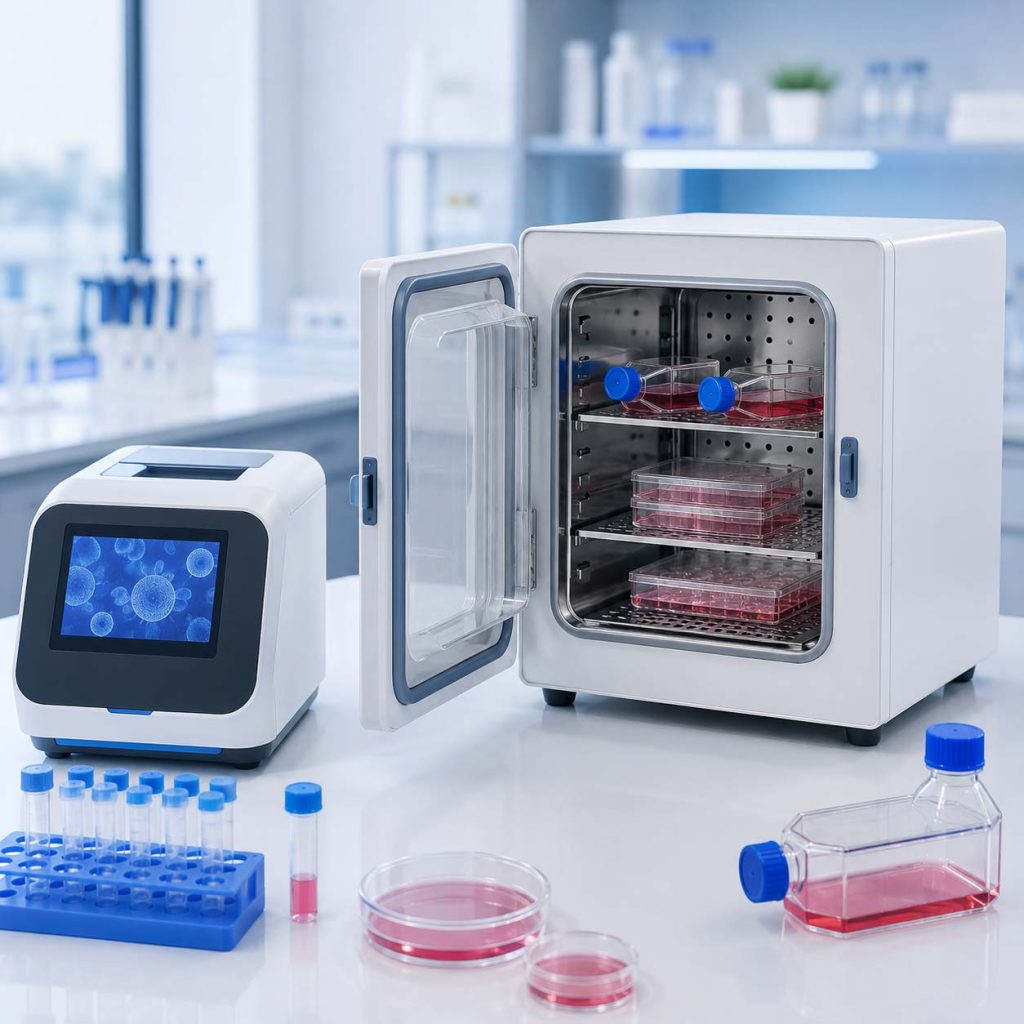
The range includes PCR systems, nucleic acid extractors, electrophoresis equipment, gel documentation systems, microplate readers and washers, microvolume spectrophotometers, cell counters, CO₂ incubators, and related laboratory instruments. Product differences may include sample capacity, detection method, wavelength range, temperature control, automation level, data analysis, and compatible consumables.
Selecting Life Science Equipment
Confirm the intended application, experimental method, sample type, required throughput, sensitivity, detection range, and consumable format. Buyers should also review software functions, data export, installation space, power supply, calibration, maintenance, accessory compatibility, and integration with existing laboratory workflows.
Showing the single result
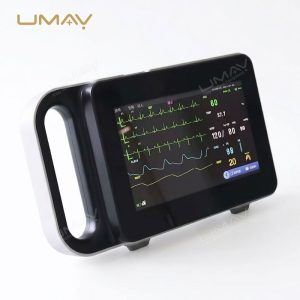
Life Science Equipment Across Molecular and Cellular Research Workflows
Life science instruments support nucleic acid preparation and amplification, electrophoretic separation, gel documentation, microplate detection, concentration measurement, cell counting, and controlled cell culture. Different research methods require different combinations of sensitivity, throughput, automation, and data analysis.
Equipment planning should consider the sample type, experimental protocol, detection method, consumable format, processing capacity, software requirements, contamination control, calibration, maintenance access, and compatibility with existing laboratory systems.
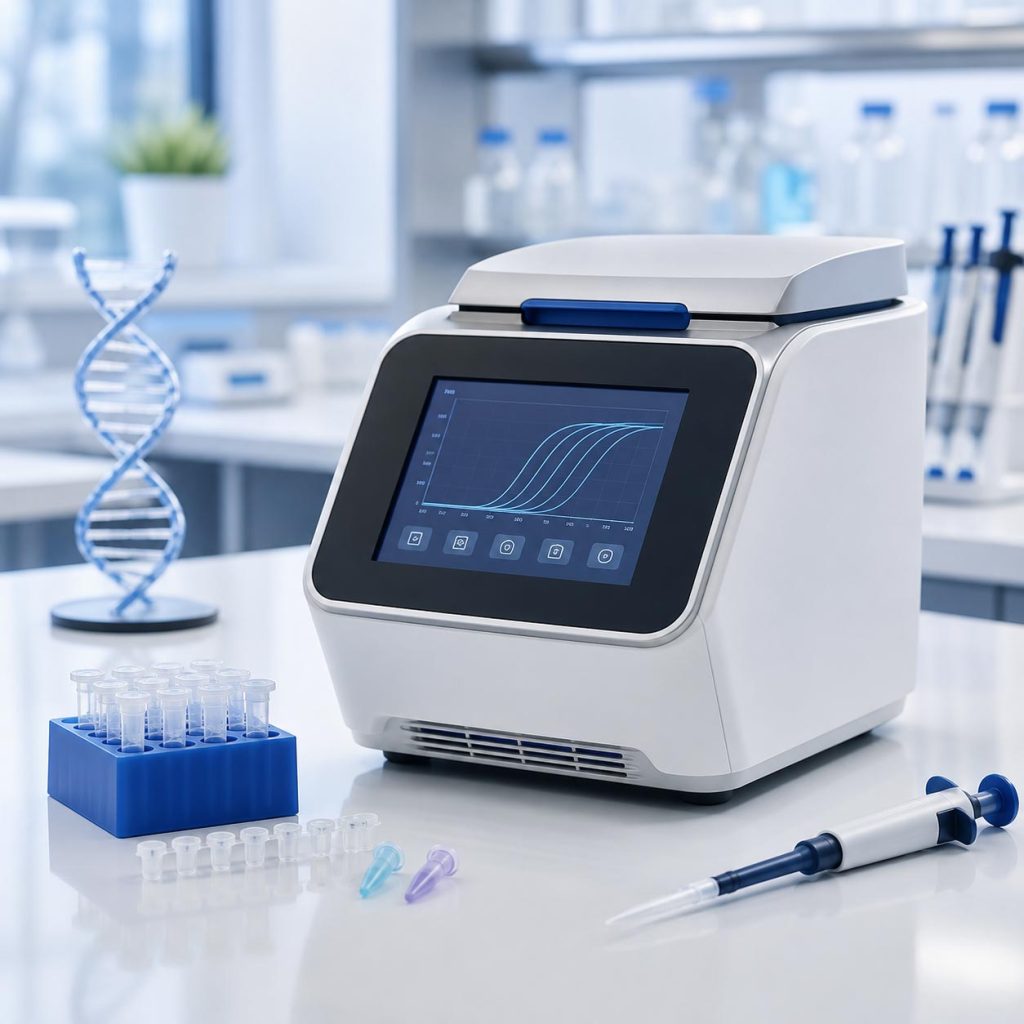
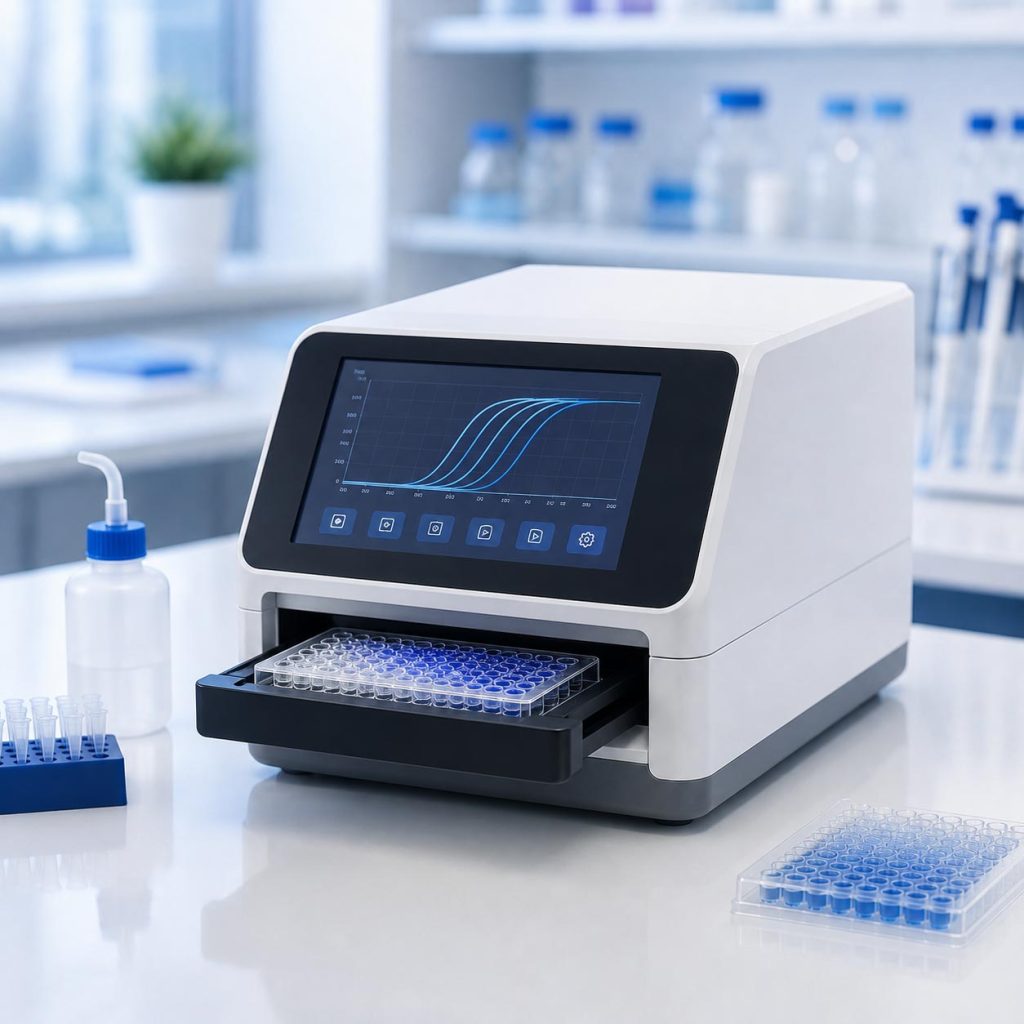
Life Science Equipment FAQ