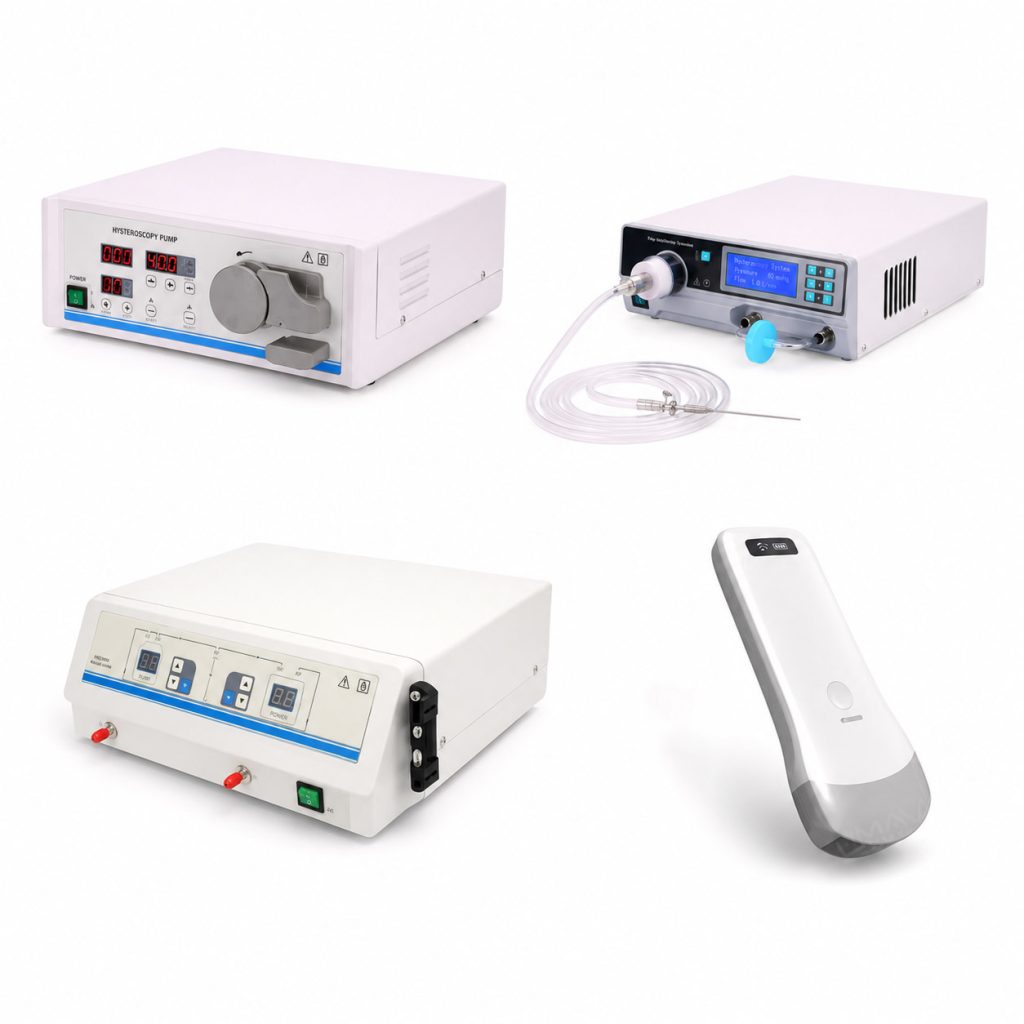
Laparoscopes
Laparoscopes for Minimally Invasive Surgery
UMY Medical supplies laparoscopes for minimally invasive abdominal and pelvic procedures, with configurations selected according to scope diameter, working length, viewing angle, imaging setup, light-source compatibility, and required surgical accessories.
Laparoscopes for Minimally Invasive Abdominal and Pelvic Surgery
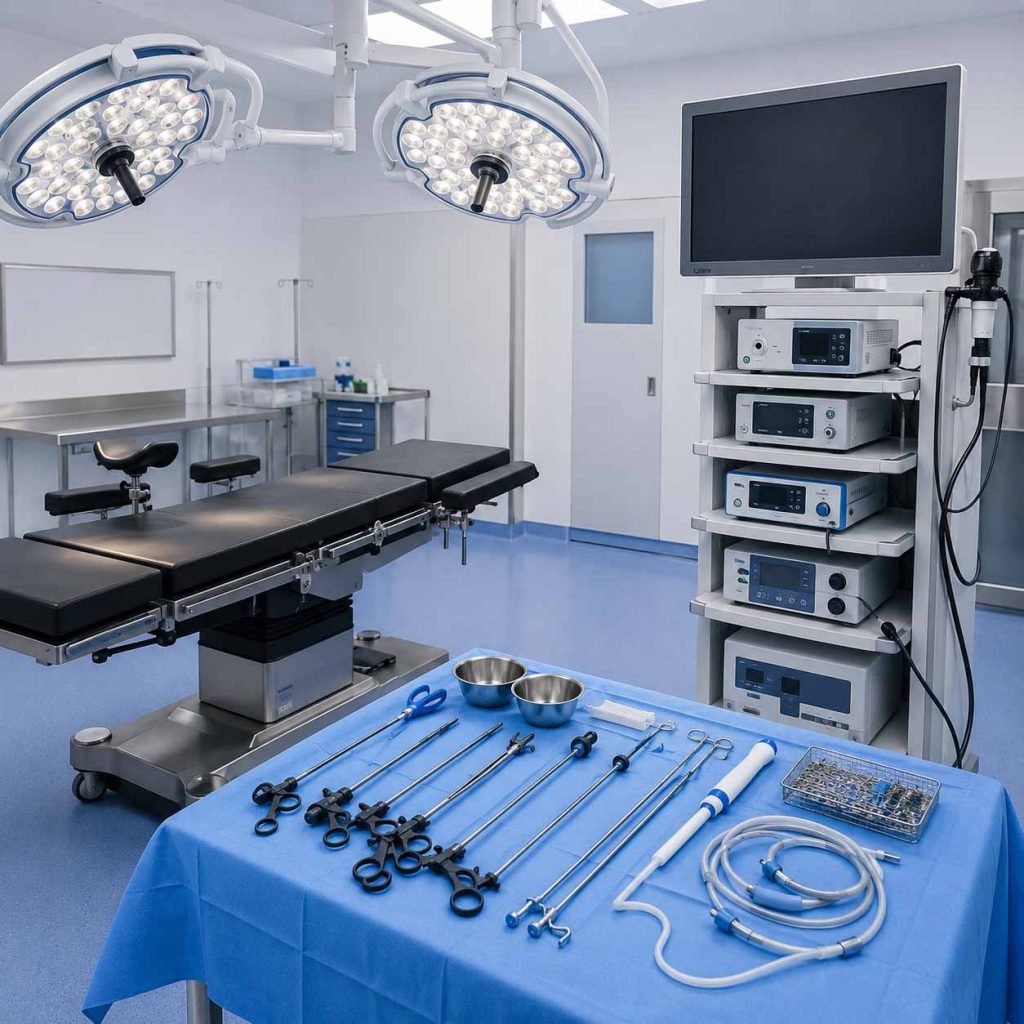
UMY Medical supplies laparoscopes and related visualization components for minimally invasive surgical procedures. Available configurations vary in scope diameter, working length, viewing angle, imaging interface, light-source compatibility, and accessory requirements. Complete laparoscopic setups may also require separate insufflation, surgical instruments, energy devices, and suction-irrigation equipment according to the intended procedure.
Laparoscope Configurations
Available laparoscopes may differ in scope diameter, working length, viewing angle, optical design, camera connection, light-cable compatibility, and reprocessing requirements. Depending on the selected setup, compatible trocars, cannulas, camera components, light sources, instrument sets, and other accessories may also be required.
Selecting a Laparoscopy System
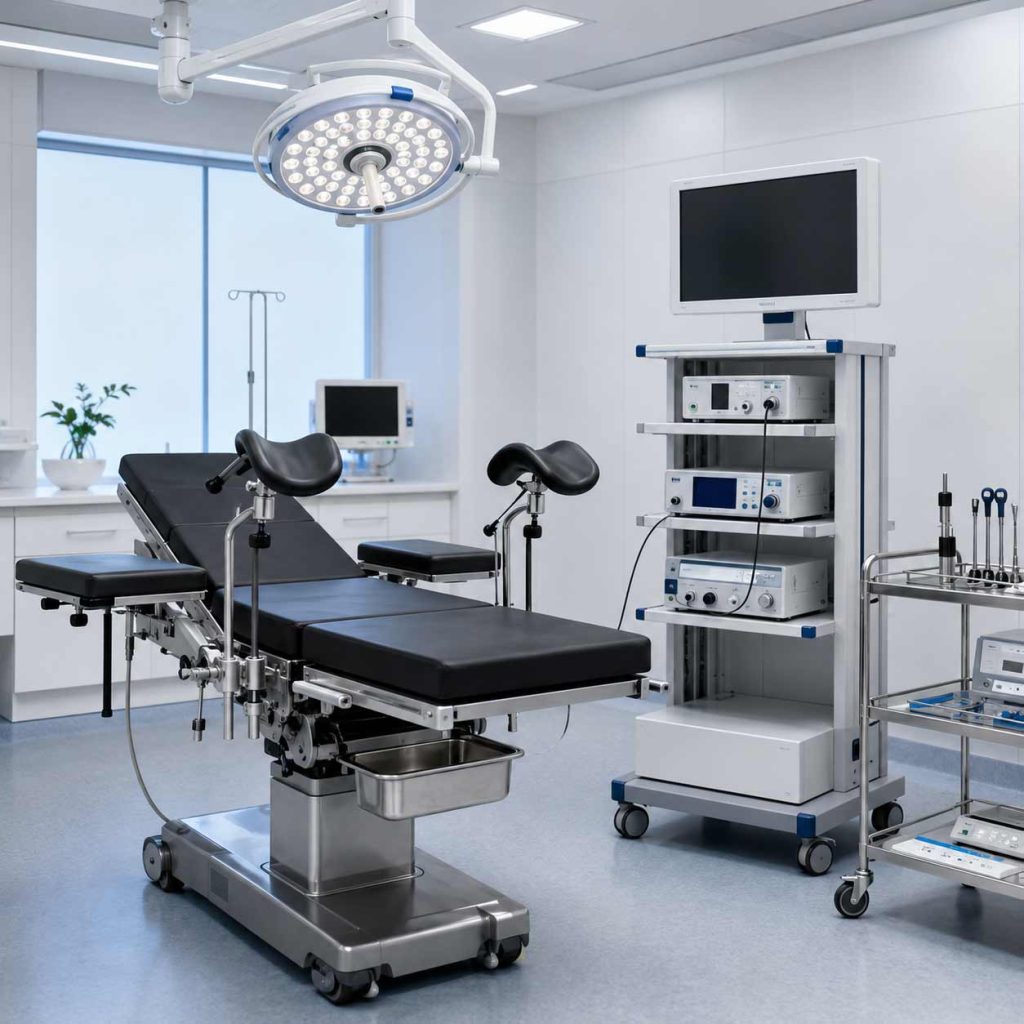
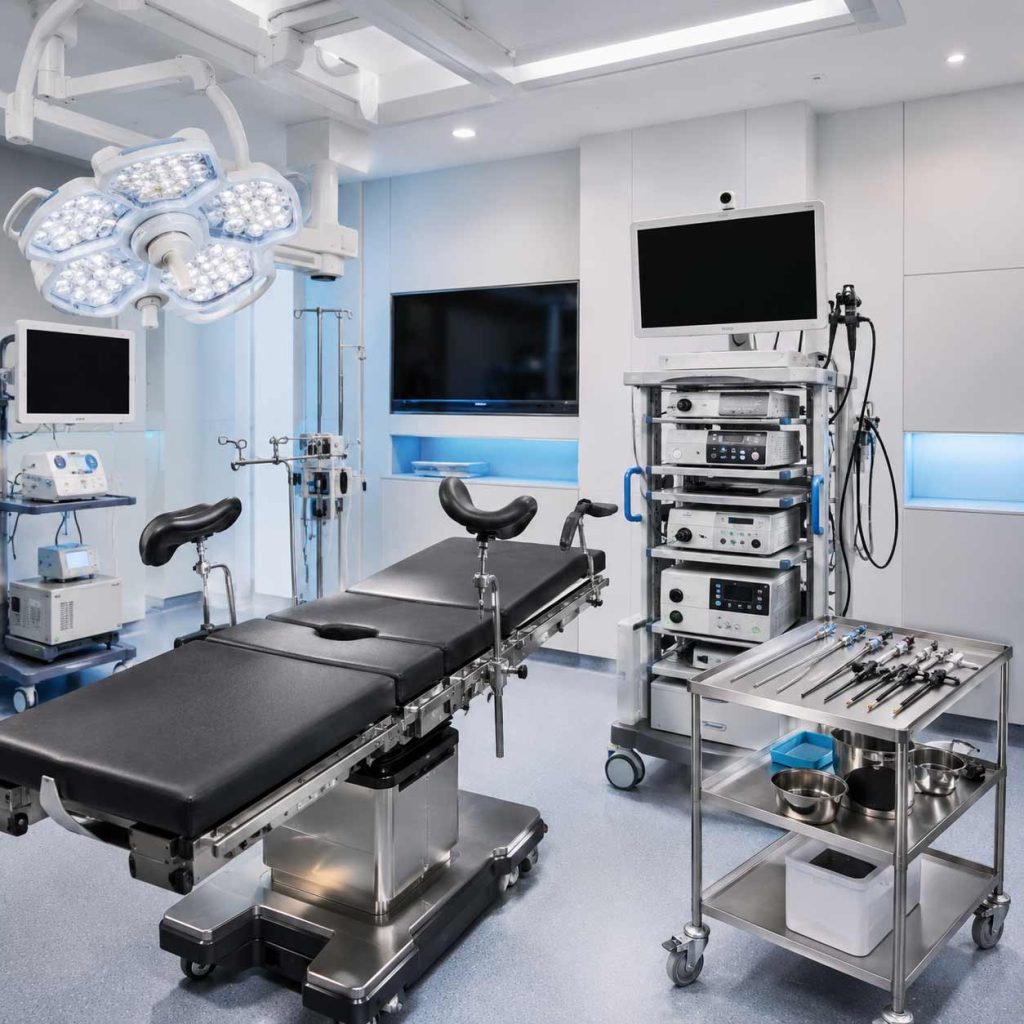
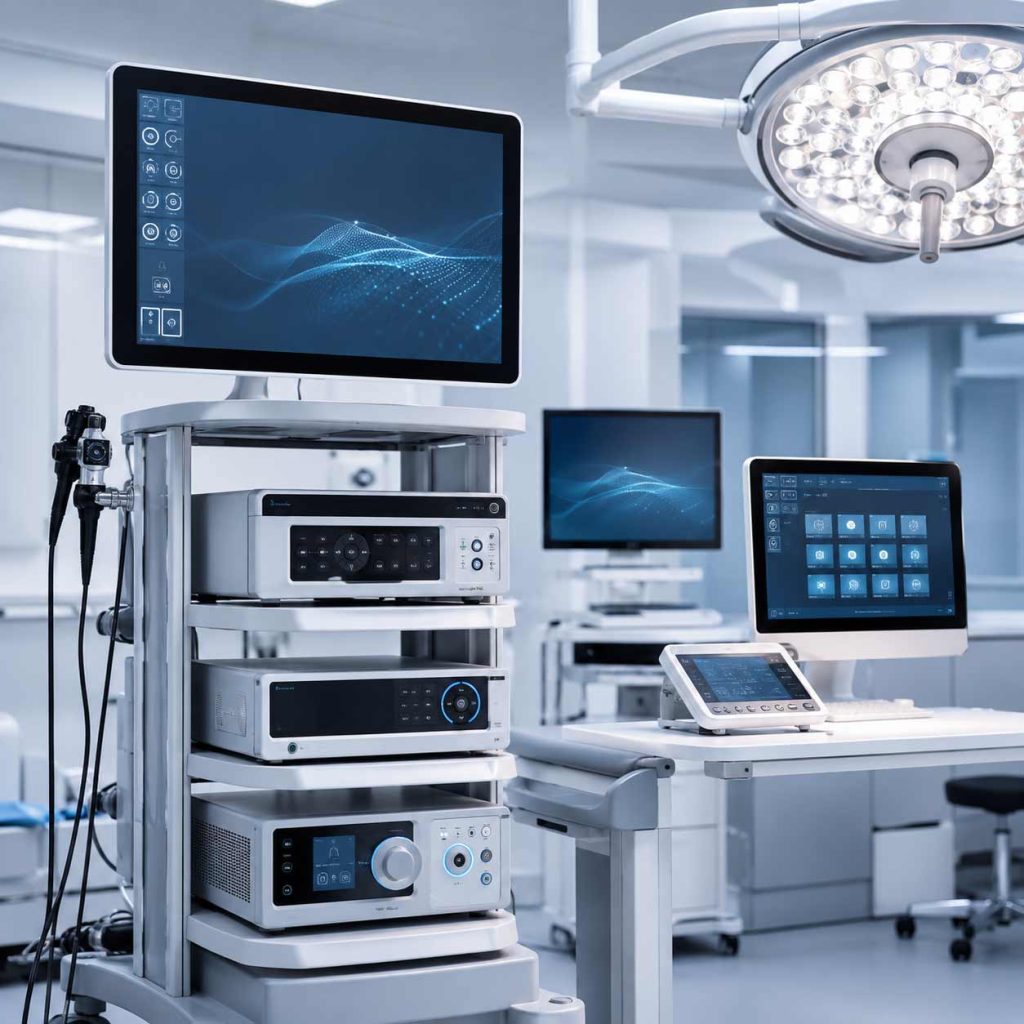
Confirm the intended surgical specialty, required scope diameter, working length, viewing angle, imaging connection, light-source compatibility, sterilization or reprocessing method, trocar compatibility, and required accessories. If a complete laparoscopic system is required, also specify the camera system, monitor, light source, insufflator, surgical instruments, suction-irrigation equipment, energy devices, and trolley requirements.
Showing all 4 results
- View Details
-
View DetailsHigh-frequency Electrosurgical Unit
30L/40L CO2 Laparoscopic Insufflator for Laparoscopy Surgery
Read more - View Details
- View Details

Clinical Applications of Laparoscopes
Laparoscopes provide visualization during minimally invasive abdominal and pelvic procedures. The required scope and supporting equipment depend on the surgical specialty, procedure type, required viewing angle, scope dimensions, imaging configuration, instrument setup, and operating-room workflow.
Laparoscopes FAQ