
Radiology

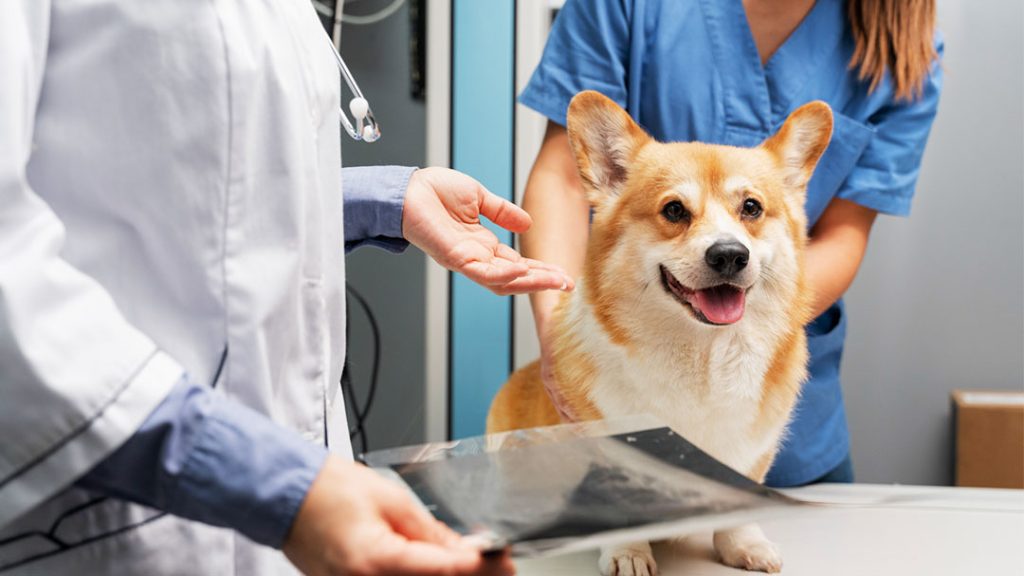
Veterinarians examining a corgi using X-ray imaging in a veterinary clinic, with one holding an X-ray film while another supports the dog.
X-ray

The Human Element in Veterinary Radiology Excellence

Introduction: The Human Element in Veterinary Radiology Great veterinary radiology involves more than technology alone—it’s about the people who operate that technology. In our previous blog, “Digital Transformation in Veterinary Radiology Equipment and Workflow Optimization,” we explored the technological advances revolutionizing veterinary imaging. Now, we turn our attention to the equally important human elements that […]
,
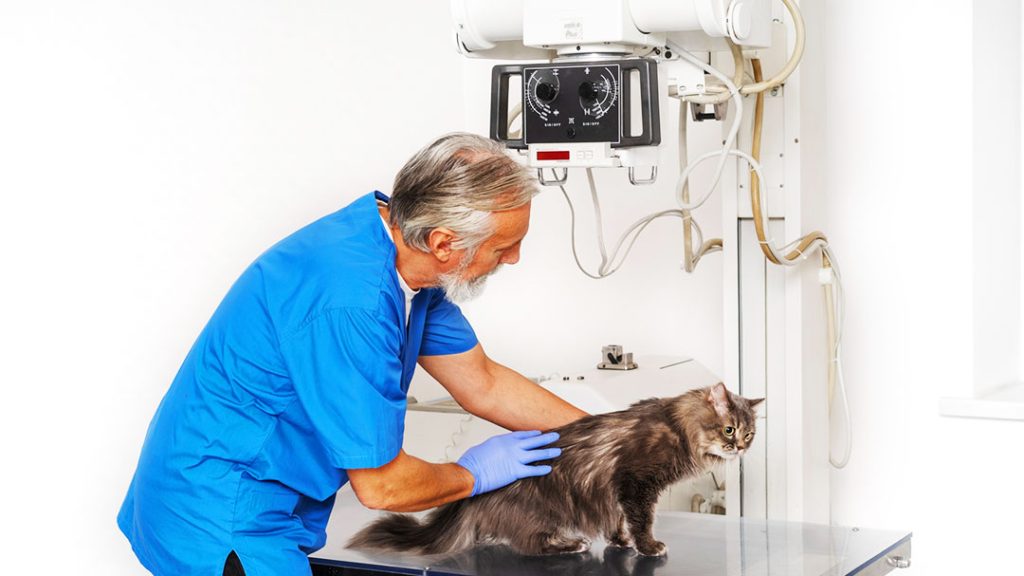
A veterinarian positioning a cat for a radiographic examination using digital X-ray equipment in a veterinary clinic.
X-ray

Digital Transformation in Veterinary Radiology Equipment and Workflow Optimization

The realm of veterinary medicine is swiftly advancing, with technology being pivotal in enhancing diagnostic precision and patient treatment. A significant area of technological progress is veterinary radiology, where digital radiography has revolutionized the methods of capturing, analyzing, and distributing images. The Digital Radiography Revolution Digital radiography has replaced traditional film-based systems, offering numerous benefits

A digital X-ray background with the text ‘Preventing Underexposed X-Rays for Optimal Diagnostic Imaging,’ emphasizing the importance of proper exposure settings in radiology.
X-ray

Preventing Underexposed X-Rays for Optimal Diagnostic Imaging

Introduction Radiography is a cornerstone of modern medical diagnosis, providing critical insights into internal structures and pathologies. However, the diagnostic value of any radiographic image depends heavily on proper exposure techniques. Underexposed X-rays—those lacking sufficient radiation energy—present as overly light images with diminished detail, potentially compromising patient care. This guide explores the technical aspects of

Scroll to Top